ID: 68

Related buildings and spaces

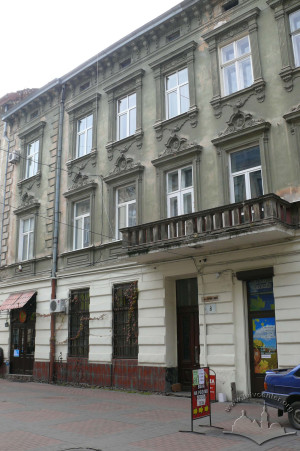
  • Vul. Bandery, 34 — cinema (no longer in operation)

    Grażyna cinema was founded by Joachim Schall in 1912, and it worked until 1939. This was the first case in Lviv that a building was designed specifically to accommodate a cinema. The project was developed by Roman Feliński.


    Read more
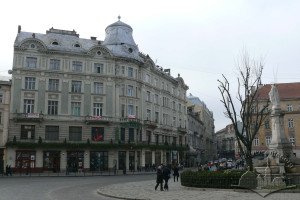
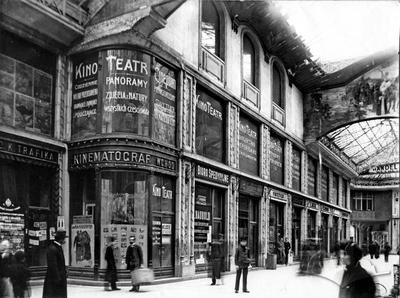
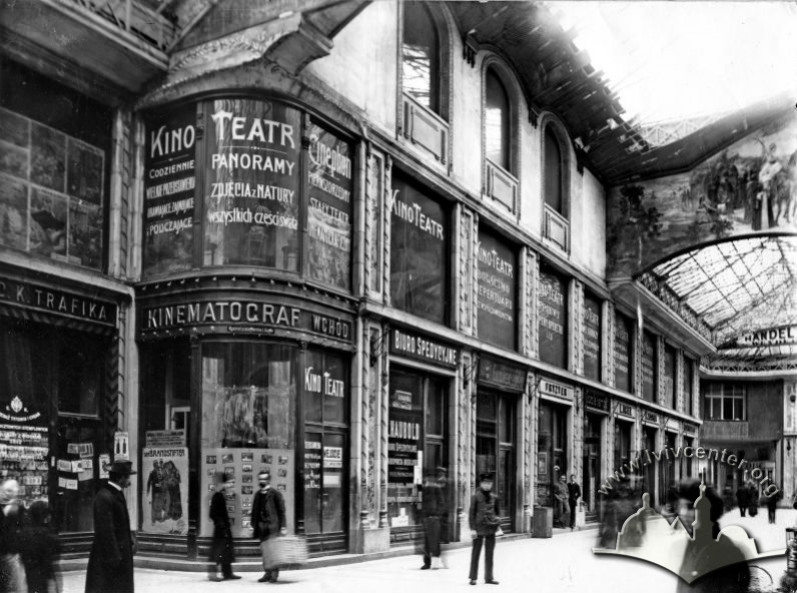
  • Pl. Henerala Hryhorenka, 3 – cinema (no longer in operation)
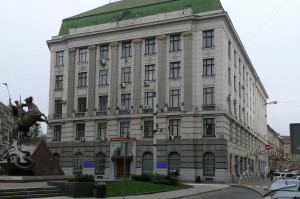
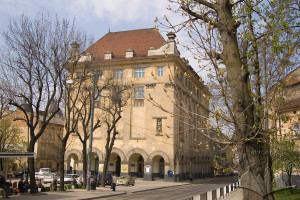
    The Vaudeville Cinema opened in July 1912 within the premises of the Shareholders Cooperative Bank, located at present-day pl. Henerala Hryhorenka 3. The Warszawa Cafe was also situated on the building's ground floor. The cinema remained in operation until 1921. Today, the building houses the Lviv Region Department of the Ministry for Internal Affairs of Ukraine.

    Read more
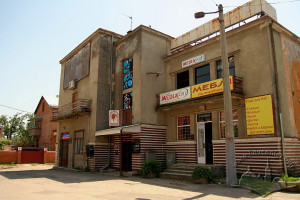
  • Vul. Tarasa Bobanycha "Khammera", 1A — cinema (no longer in operation)

    The building housed a cinema that changed names and owners several times: Pax (1935–1939), Saturn (1941–1944), 27 July Cinema (1944–1946), and V. Korolenka Cinema (1946–1990). Until 2017, the premises housed the Russian Cultural Society named after A. S. Pushkin. Since 2018, it is home to the "House of the Warrior."


    Read more
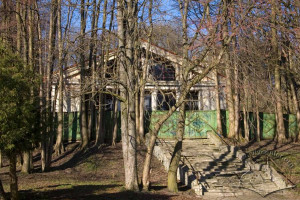
  • Vul. Vitovskoho, 43A — restaurant building (former cinema)

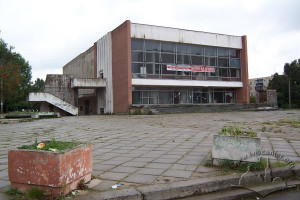
    The Druzhba cinema was built in 1952 according to a typical design in the so-called Stalinist Empire style. The auditorium was designed to seat 300 people. The cinema was located in the B. Khmelnytskyi Park of Culture and Recreation at ul. Dzerzhynskoho 4 (now vul. Vitovskoho).


    Read more
  • Vul. Akademika Hnatiuka, 20-22 — cinema (no longer in operation)
    The building at 20-22 Hnatiuka Street housed a cinema which changed its name several times: "Wonderland" (1912–1913) and "Jagiellońskie" (1913–914). They were owned by the well-known cinema entrepreneur Melchior Meiblum. With the outbreak of World War I, Meiblum left Lviv and almost all of the cinemas he had founded ceased to exist.
    Read more
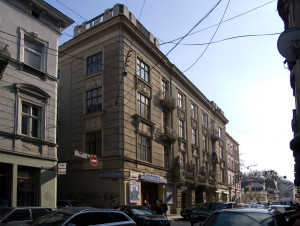
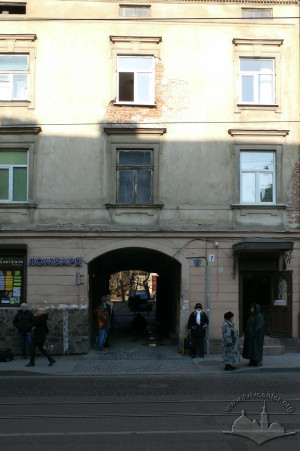
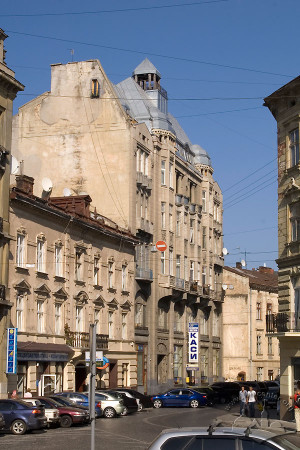
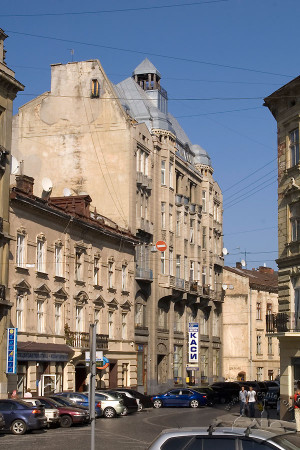
  • Vul. Akademika Hnatiuka, 20-22 – residential building

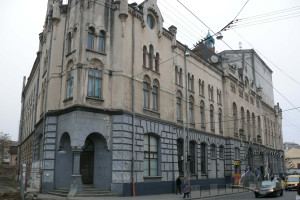
    The building was built under a project designed by Ferdynand Kassler and Roman Feliński, noted Lviv architects, and developed at the architectural bureau of Michał Ulam. It is an illustrative example of a residential townhouse, whose modern plasticity combines architectural elements and the sculptural decoration made by Zygmunt Kurczyński. The building is an architectural monument (protection number 770). Now it is used for dwelling purposes; the ground floor premises are occupied by the City railway ticket offices for advance sale.

    Read more
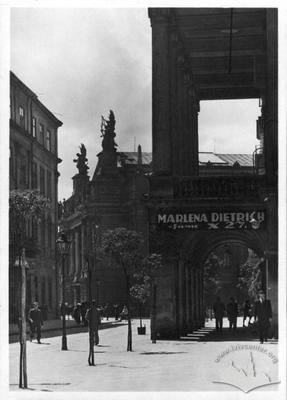
  • Pl. Henerala Hryhorenka, 5 – cinema (no longer in operation)
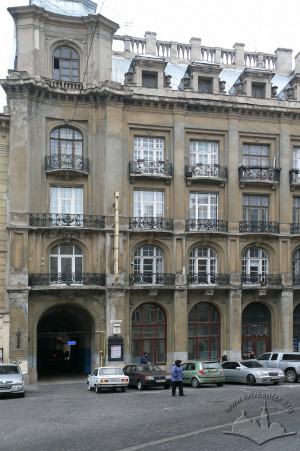
    The building at pl. Henerala Hryhorenka 5 housed a cinema that operated under several different names and owners over the years: "Marysieńka" (1918–1941), "Moskva" (1944–1948), and the "Pioner" children's cinema (1965–1990). In 1941, the State Theater of Miniatures operated here, and during the German occupation, it served as the SS and police theater. As of 2013, the building is home to the Lviv Academic Spiritual Theater "Voskresinnia".

    Read more
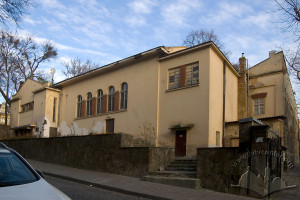
  • Vul. Kushevycha, 1 – City's Hotkevych Palace of Culture
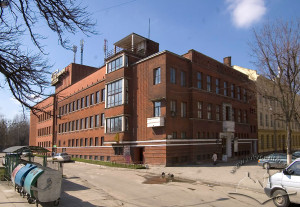
    The three-storied building with a basement and an attic was built in 1933-1938 under an project designed by architect and engineer Tadeusz Wróbel as the Club of the Union of municipal workers of the city of Lviv. It is an example of Modernist brick architecture with dominant features of rationalism and the so-called "Krakow stylization decorativism".

    The building is an architectural monument of local significance. According to the Lviv regional executive committee's resolution number 280 dated 21 May 1991, it was assigned the protection number 1613.

    Read more
  • Vul. Fedkovycha, 54-56 – Railway employees' building of science and culture
    The building was designed by Romuald Miller, a renowned Warsaw architect, and constructed by Henryk Zaremba, a Lviv builder. It was finished in 1937.
    Read more
  • Vul. Bankivska, 5 — cinema (no longer in operation)

    The building housed the following cinemas: Sinephon (1906–1907), Luna (1907, 1926–1930), and Polonia (1930–1931).

    Read more
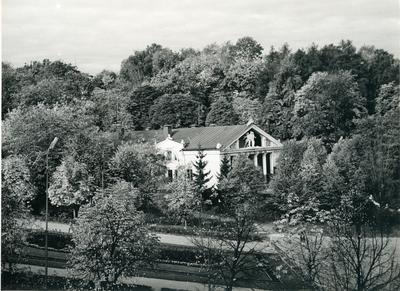
  • Vul. Volodymyra Velykoho, 14A — Lviv Film Center

    The Orliatko cinema opened in 1978 in a building constructed in the center of the Horikhovy Hai park. This cinema was designed for children. Following Ukraine's Independence, it was renamed Sokil. While the cinema ceased operations in the mid-1990's, it reopened in 2003 for occasional screenings. In 2015, the Lviv Film Center opened here — an educational hub and cinema dedicated to independent and arthouse films.

    Read more
  • Vul. Hrabovskoho – former st. Lazarus' convent walls
    A fragment of the wall of the former monastery and hospital of St. Lazarus (1630-1640, architect Ambrosius Prykhylnyi) at the corner of Kopernyka and Hrabovskoho Streets.
    Read more
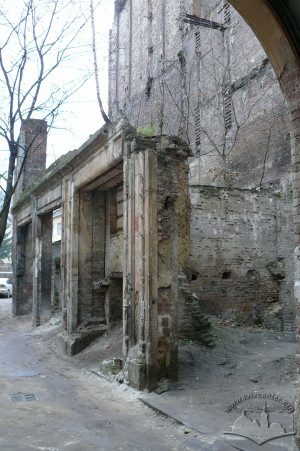
  • Vul. Varshavska, 39 — cinema (no longer in operation)

    The Kotlyarevsky Cinema operated from 1949 to 1965 at 39 Varshavska Street. The building was demolished in 1982–1983 after the roof collapsed.


    Read more
  • Vul. Antonovycha, 80 – residential building
    Once belonging to a family of athletes, the Kuchars, the villa is an example of an wealthy family estate in the city. It was built under a project designed by Zygmunt Pszorn in 1910. The house embodies the idea of ​​rational architecture, which developed more in the interwar period. Its functional comfort is supplemented by landscape design which is in accord with the garden city concept.
    Read more
  • Vul. Bandery, 34 — cinema (no longer in operation)

    Vul. Bandery, 34 — cinema (no longer in operation)
  • Pl. Henerala Hryhorenka, 3 – cinema (no longer in operation)

    Pl. Henerala Hryhorenka, 3 – cinema (no longer in operation)
  • Vul. Tarasa Bobanycha "Khammera", 1A — cinema (no longer in operation)

    Vul. Tarasa Bobanycha "Khammera", 1A — cinema (no longer in operation)
  • Vul. Vitovskoho, 43A — restaurant building (former cinema)

    Vul. Vitovskoho, 43A — restaurant building (former cinema)
  • Vul. Akademika Hnatiuka, 20-22 — cinema (no longer in operation)

    Vul. Akademika Hnatiuka, 20-22  — cinema (no longer in operation)
  • Vul. Akademika Hnatiuka, 20-22 – residential building

    Vul. Akademika Hnatiuka, 20-22 – residential building
  • Pl. Henerala Hryhorenka, 5 – cinema (no longer in operation)
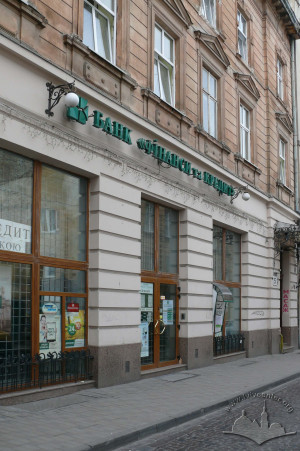
    Pl. Henerala Hryhorenka, 5 – cinema (no longer in operation)
  • Vul. Kushevycha, 1 – City's Hotkevych Palace of Culture

    Vul. Kushevycha, 1 – City's Hotkevych Palace of Culture
  • Vul. Fedkovycha, 54-56 – Railway employees' building of science and culture

    Vul. Fedkovycha, 54-56 – Railway employees' building of science and culture
  • Vul. Bankivska, 5 — cinema (no longer in operation)

    Vul. Bankivska, 5  — cinema (no longer in operation)
  • Vul. Volodymyra Velykoho, 14A — Lviv Film Center

    Vul. Volodymyra Velykoho, 14A — Lviv Film Center
  • Vul. Hrabovskoho – former st. Lazarus' convent walls
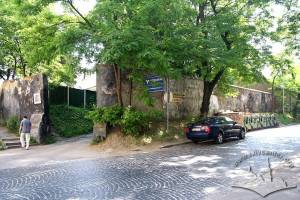
    Vul. Hrabovskoho – former st. Lazarus' convent walls
  • Vul. Varshavska, 39 — cinema (no longer in operation)

    Vul. Varshavska, 39 — cinema (no longer in operation)
  • Vul. Antonovycha, 80 – residential building
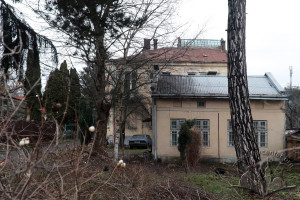
    Vul. Antonovycha, 80 – residential building