Vul. Zaklynskykh – Znesinnia Cemetery ID: 1026
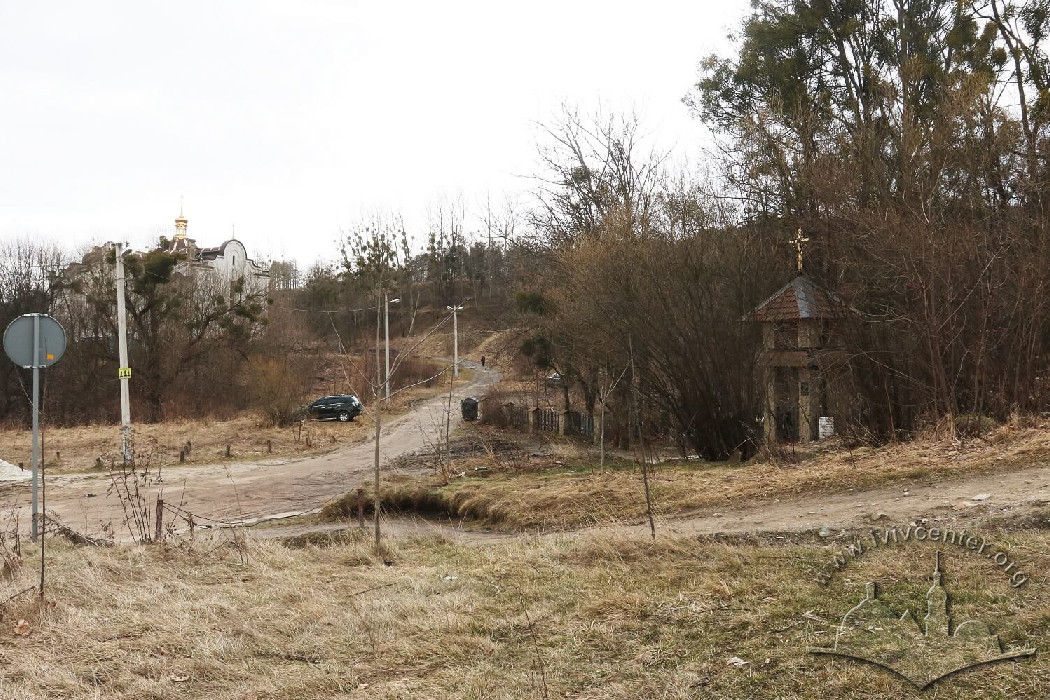
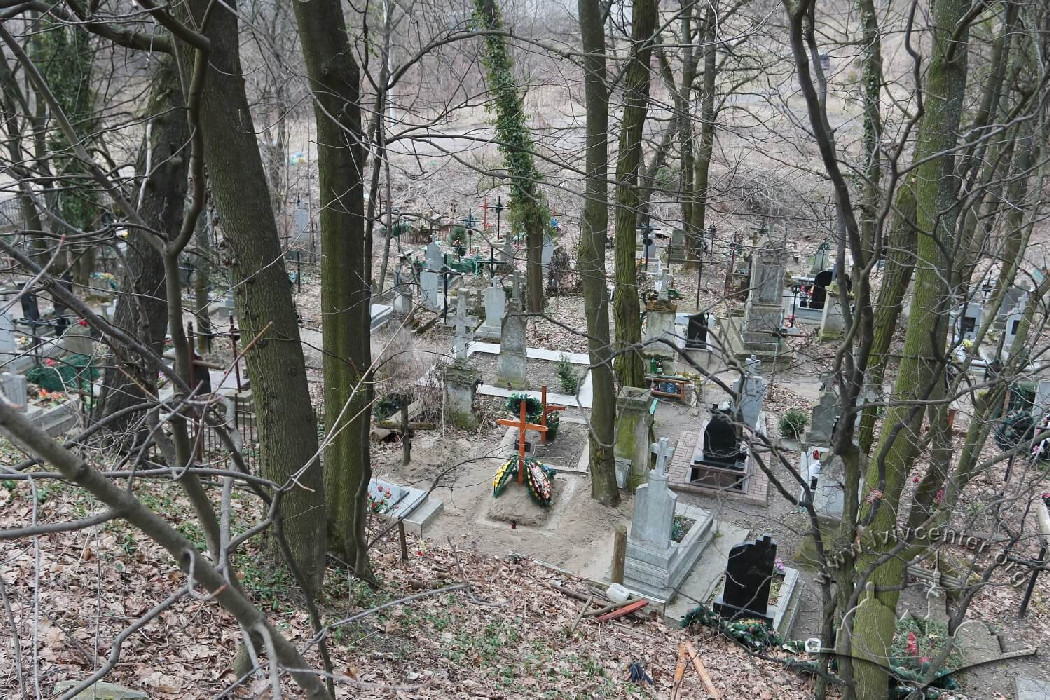
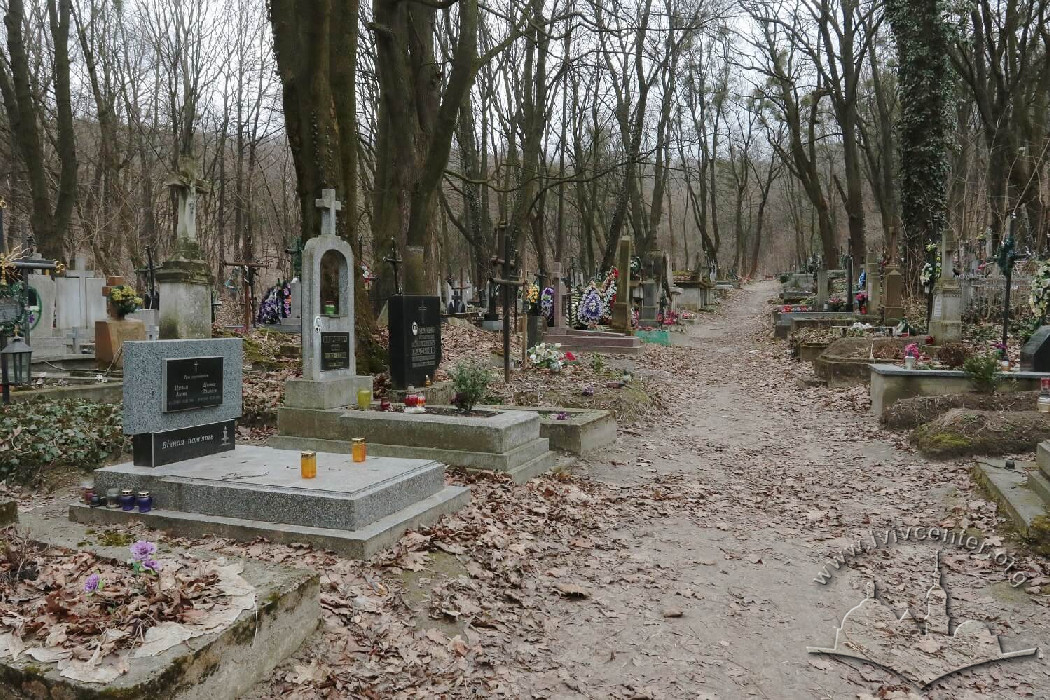
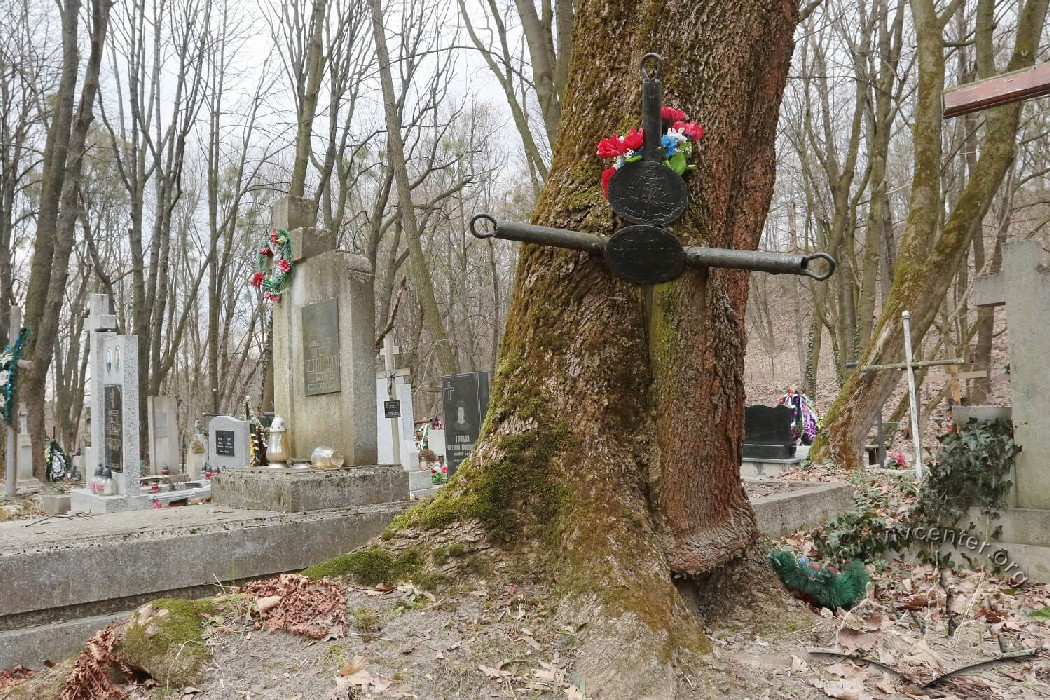
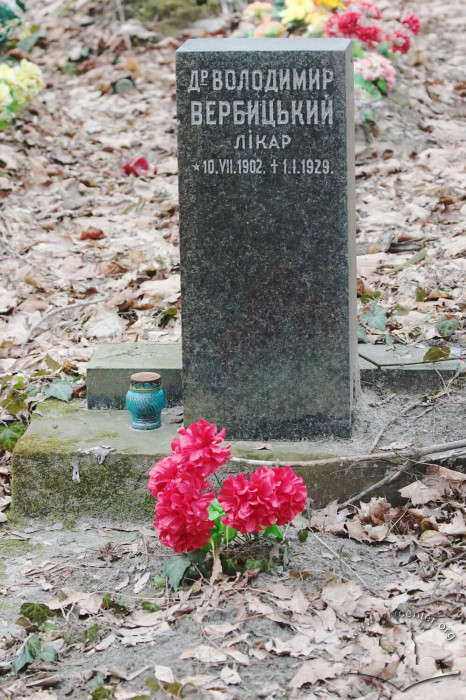
The cemetery is located on the territory of the historic Kaiserwald, near present-day vul. Zaklynskykh. It is situated in a small ravine between two slopes. This cemetery deserves special attention as it contains unstudied nineteenth-century artistic monuments, as well as historical and memorial burials from World War I and the Ukrainian-Polish War of 1918–1919. These notably include the graves of Ukrainian Galician Army (UGA) soldiers, Thalerhof prisoners, and activists from the "Prosvita" society and the "Ukrainian Women's Union".
Story
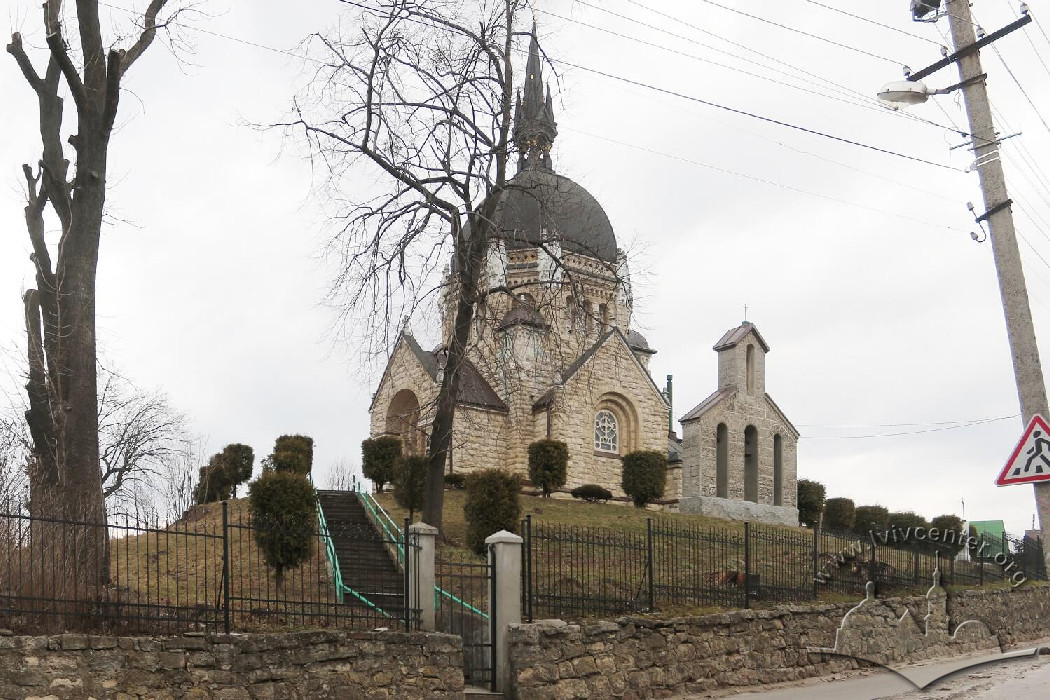
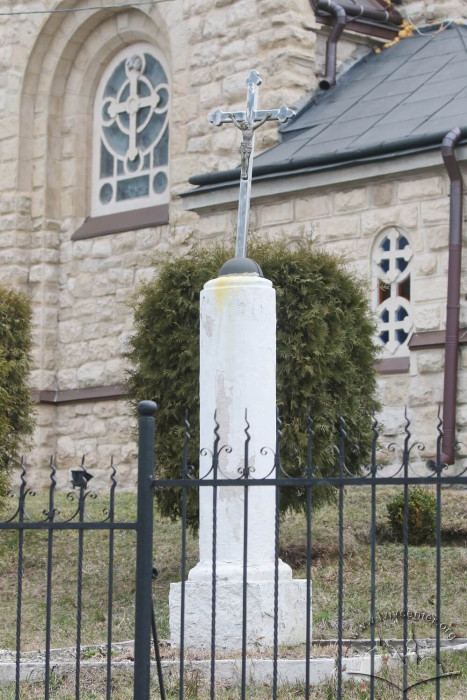
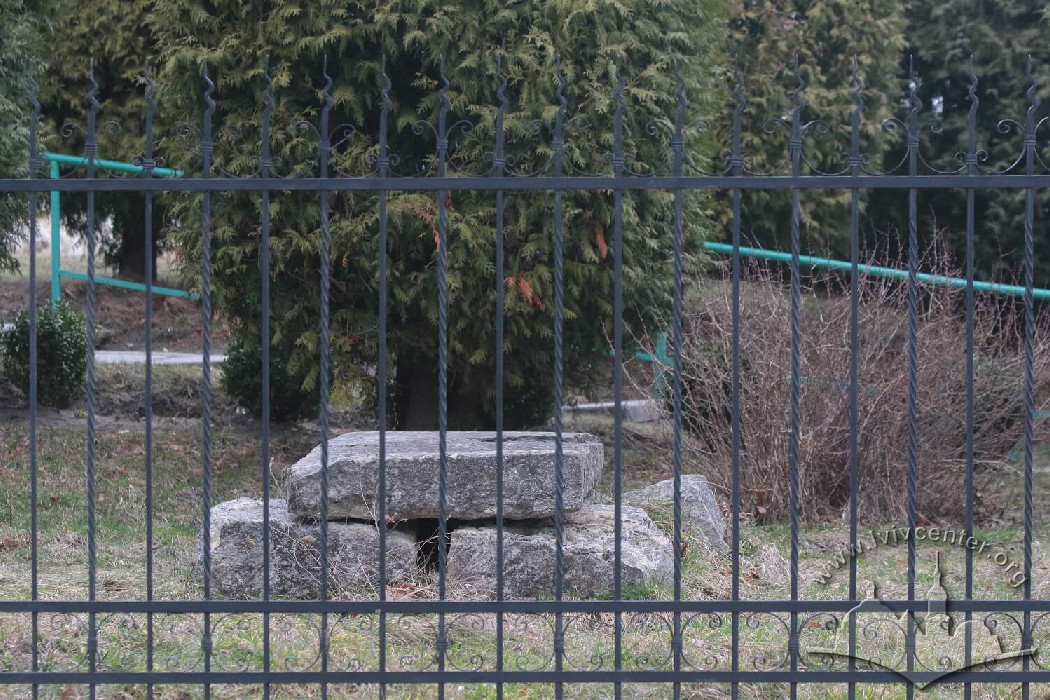
In the mid-nineteenth century, when this cemetery was established, Znesinnia was not part of Lviv but was a separate village. At that time, two Christian cemeteries existed there simultaneously. The second one, located next to the Church of the Ascension of the Lord, was older. This is evidenced by both archival materials and a surviving tombstone with a semi-faded inscription from the seventeenth to eighteenth centuries, which is now located in the churchyard. Despite decrees issued by the Austrian government in 1783–1784 prohibiting burials near churches, this older cemetery continued to exist until the late nineteenth century. Burials were occasionally conducted there, though they were more commonly held at the new cemetery on present-day vul. Zaklynskykh.
Administratively, the cemetery on vul. Zaklynskykh belonged to the Church of the Ascension of the Lord, as confirmed by burial registry books.
The cemetery's territory was expanded several times, notably in 1912 and during the Russian occupation of Galicia in 1914–1915. As a result, by 1933, the cemetery's area reached 1,300 square fathoms (4,675.65 m²).
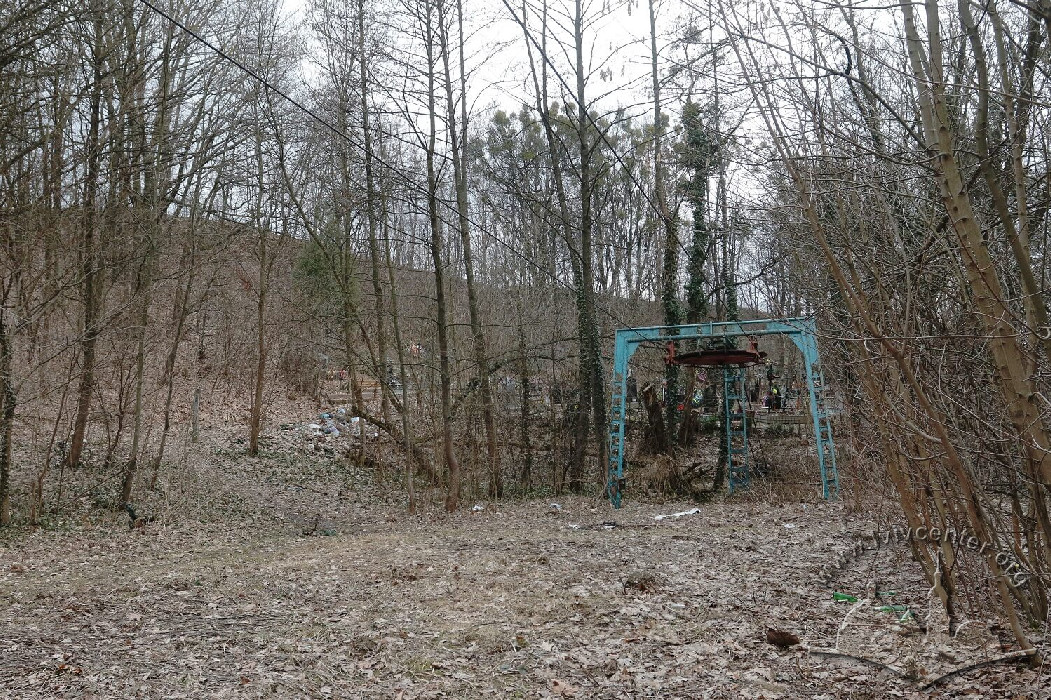
During the Soviet period, there were plans to liquidate the cemetery, though they were never carried out. However, a portion of the burials was removed in the 1980s during the construction of the "Dynamo" sports zone for a ski run.
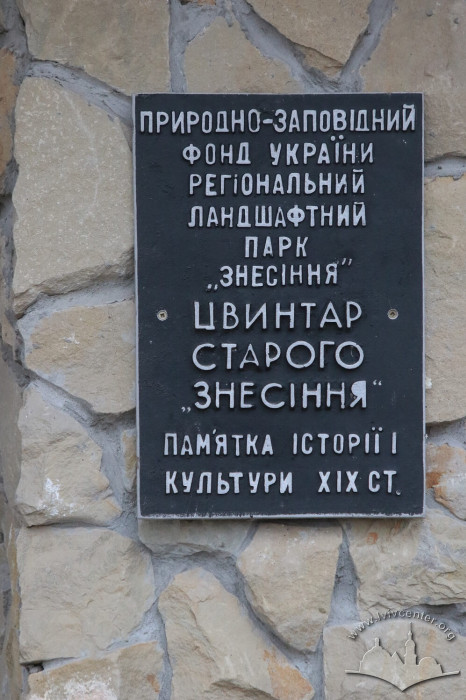
Pursuant to Decision No. 209 of the City Executive Committee dated May 17, 1990, the cemetery was placed under state protection. The Sich Riflemen mass grave at the Old Znesinnia cemetery was added to the list of archaeological, historical, and art monuments by the Lviv Regional Executive Committee on May 21, 1991.
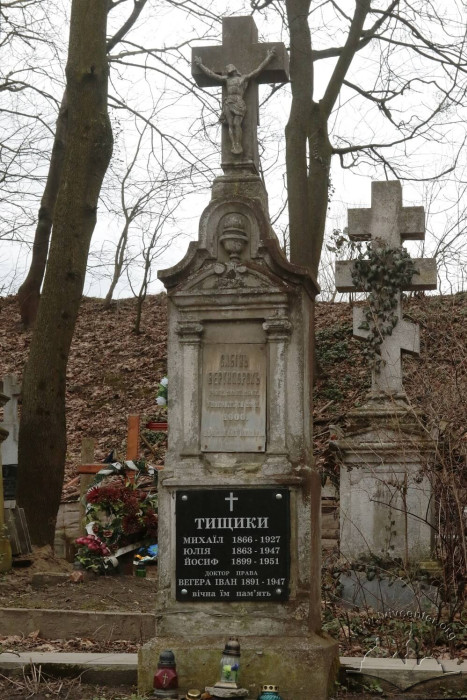
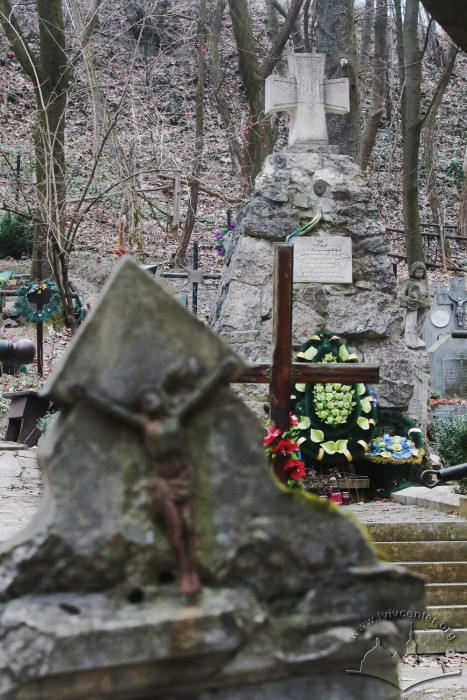
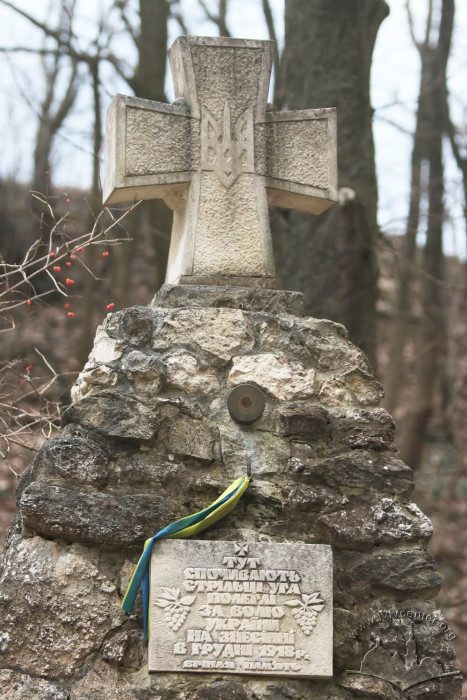
The mass grave of the UGA riflemen who fell in Znesinnia in December 1918 is located on the right side near the very end of the cemetery's central alley. Around 30 soldiers are buried here. The fighting in Znesinnia in 1918 is mentioned in O. Kuzma's publication "From the History of One Battalion" in the 1926 calendar of the "Prosvita" society. Individual graves in the cemetery also hold other UGA soldiers, namely Ivan Smetana and Ivan Vehera.
Another historically valuable burial is the Art Nouveau-style vault of the Thalerhof prisoners, where local Russophiles are buried. References to them can be found in the Thalerhof Almanac. Special attention should also be given to the tombstones of Katria Lototska, head of the local branch of the "Ukrainian Women's Union"; Krilyk, head of the "Prosvita" society in New Znesinnia; and activists Holovko, Siyak, Luzhniak, Bui, Kyryliuk, and Kurtiak. The latter headed "Prosvita" in Old Znesinnia and provided extensive assistance to the nuns of the Congregation of Saint Hieromartyr Josaphat.
In the central part of the cemetery along the main alley stand the family vaults of the Łuń, Biliński-Tarasowicz, Janowski, Szuszkiewicz, and Świnczenko families. Building contractor Petro Łuń is buried in the Łuń family vault.
Architecture
The Znesinnia cemetery on vul. Zaklynskykh is situated in a ravine and occupies a small territory that is rectangular in floor plan. The graves are arranged in rows on both sides of the central alley.
According to a 1933 description, the cemetery was located outside the city limits in an unpopulated area near the hills of Old Znesinnia, on dry, sandy soil. The cemetery was planted with trees and enclosed on three sides by oak posts with barbed wire, while a wooden fence ran along the main entrance. Not far from the entrance stood a small two-room wooden house; one room was occupied by the gravedigger, and the other served temporarily as a mortuary. Nearby was a small cemetery bell tower with a single bell. Inspection documents dated March 14, 1933, also noted: "Gravedigger –– Fedir Mikhaliuk, 57 years old. Married. Unemployed, completely illiterate (which is clearly why there were no registration books –– Author's note), works without regular remuneration, occupies official housing consisting of one room, with the right to use a garden plot of 80 square fathoms. Earns occasional income from voluntary donations". Additionally, it was recorded that, for instance, the average number of funerals at the time was 8 to 10 per month.
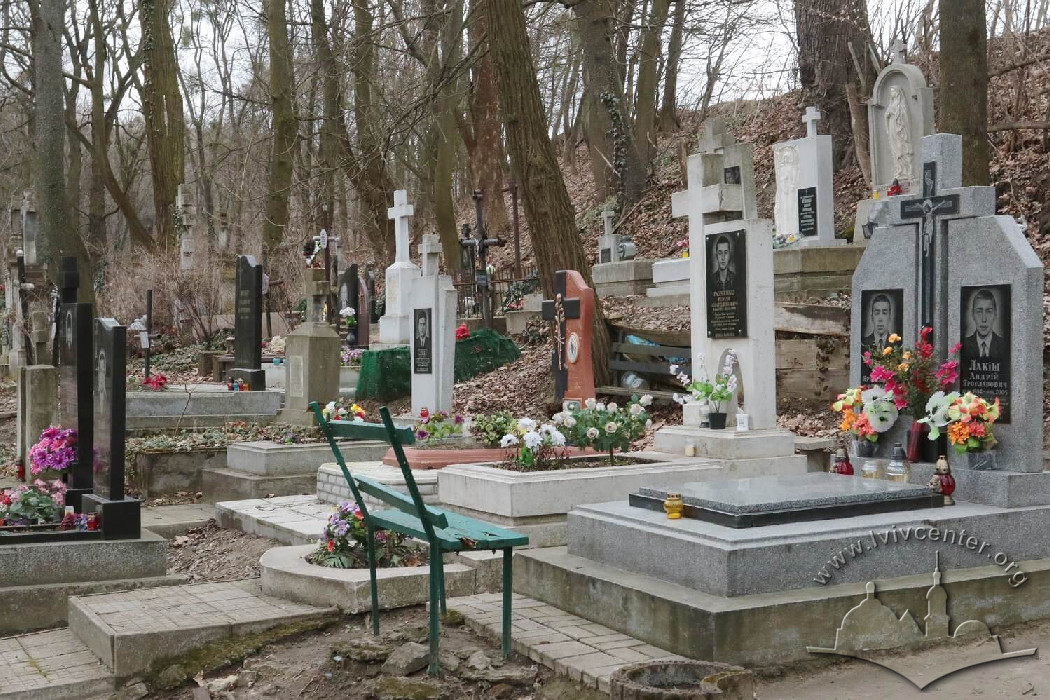
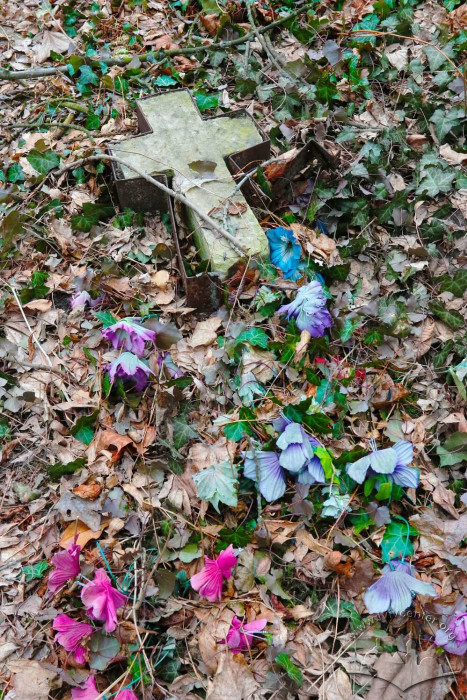
Burials from the second half of the nineteenth century have been preserved in the cemetery, and their tombstones possess high artistic value.
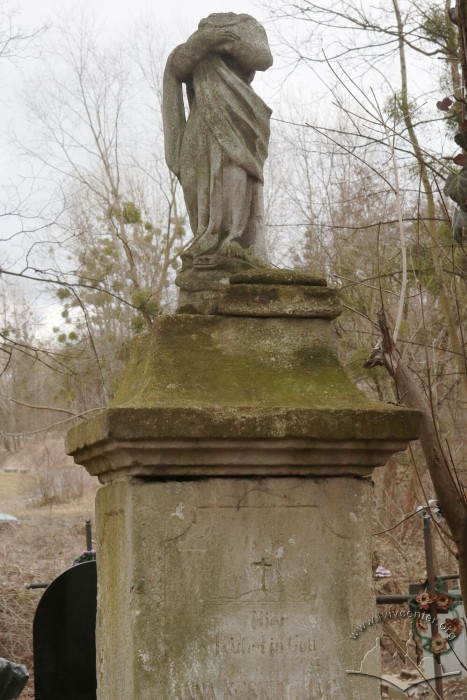
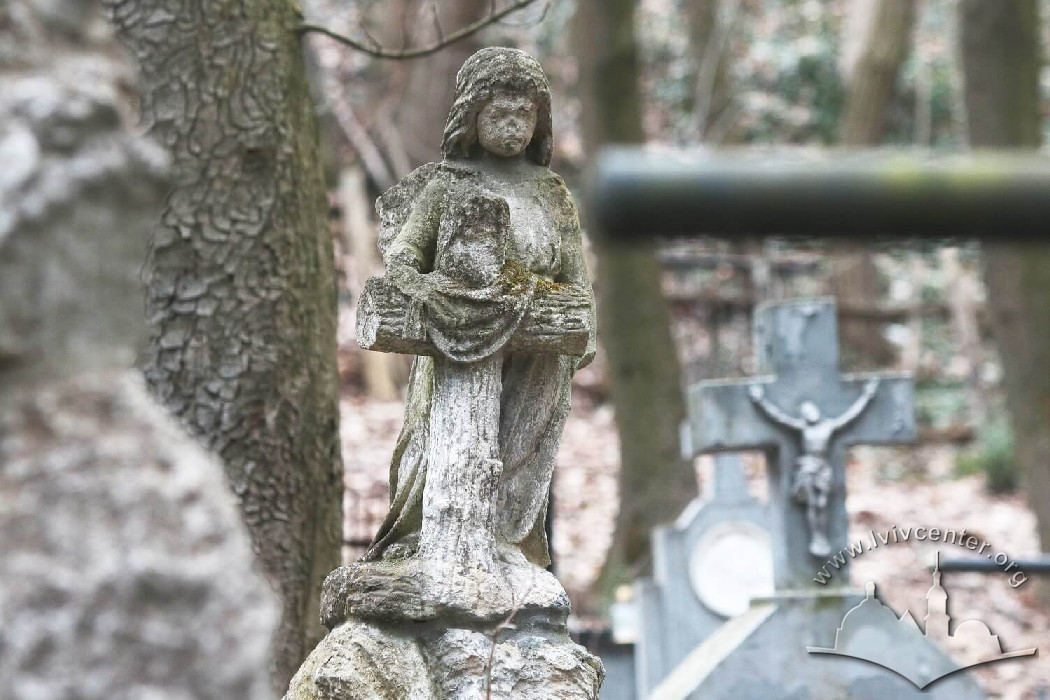
The oldest surviving tombstone in the Znesinnia cemetery is the monument of Anna Kesselring (†1867), executed in the Classicist style. Another early tombstone, featuring a vandalized figure of the Mother of God by sculptor Ludwik Makolondra, stands on the right side near the beginning of the cemetery; its inscription is clearly legible and marks the grave of Andrzej Koszuliński (†1890). Nearby is the tombstone of Teodor Czuchraj (†1909), featuring a sculpture of the Madonna, also crafted by sculptor Ludwik Makolondra. Another interesting tombstone, brutally damaged by vandals, features an angel figure carved in stone holding a cross; it stands behind the mass grave of the Ukrainian Galician Army (UGA) riflemen.
At the beginning of the cemetery, to the left of the central alley, stands the Art Nouveau-style tombstone of the Bilinkiewicz family, produced in the workshop of sculptor Ludwik Tyrowicz. Fr. Antal Bilinkiewicz, the parish priest of the village of Znesinnia, is buried here. The tombstone of Grzegorz Bełej (†1919) also deserves attention; it features a bas-relief medallion of the Mother of God (the work of sculptor Aleksander Zagurski) and is embellished at the top with an Art Deco ornament.
The cemetery contains several other interesting tombstones from the 1920s and 1930s, crafted in the workshops of Aleksander Zagurski, Tadeusz Iwanowicz, and Ludwik Tyrowicz.
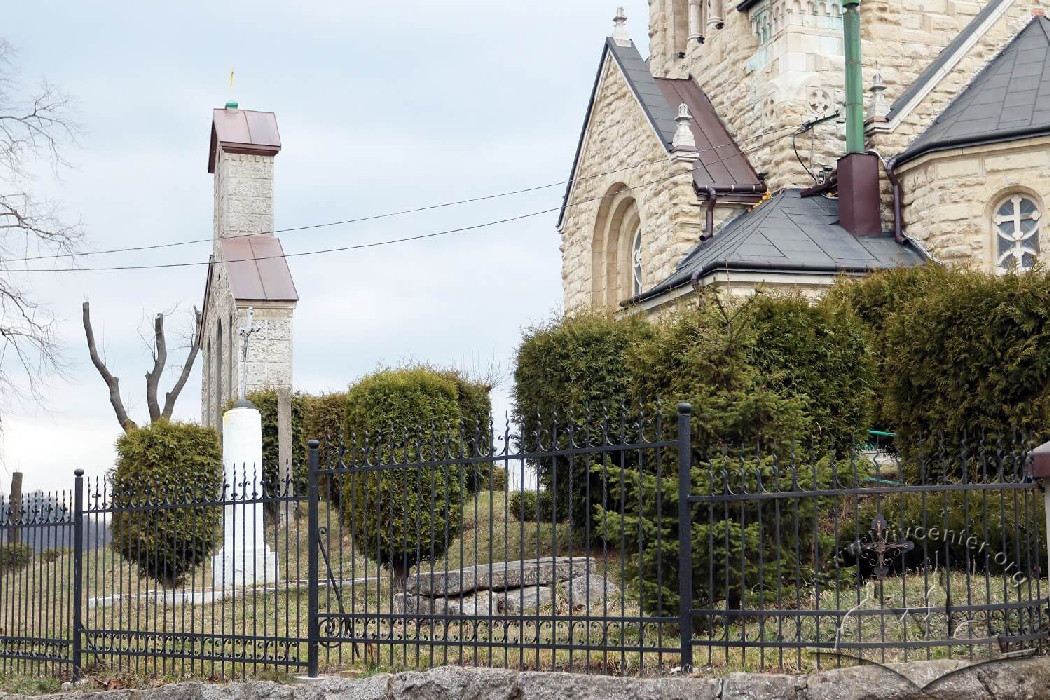
In the 1930s, on the initiative and at the expense of the Ukrainian community of Znesinnia, a natural stone monument topped with a rifleman's cross was erected on the site of the UGA riflemen's mass grave. Beneath the cross, an artillery shell casing was embedded into the structure, as was customary for military burials at the time.
People
Antal Bilinkiewicz (†1933) –– parish priest of the village of Znesinnia, buried in the cemetery.
Bui –– activist of the "Prosvita" society in New Znesinnia, buried in the cemetery.
Holovko –– activist of the "Prosvita" society in New Znesinnia, buried in the cemetery.
Tadeusz Iwanowicz –– sculptor.
Krilyk –– head of the "Prosvita" society in New Znesinnia, buried in the cemetery.
Kurtiak –– head of the "Prosvita" society in Old Znesinnia, buried in the cemetery.
Kyryliuk –– activist of the "Prosvita" society in New Znesinnia, buried in the cemetery.
Katria Lototska — head of the branch of the "Ukrainian Women's Union," buried in the cemetery.
Piotr Łuń (†1932) –– building contractor, buried in the cemetery.
Ludwik Makolondra –– sculptor; many tombstones in the Znesinnia cemetery are his work; the vault of Teodor Czuchraj's grave was crafted by him.
Fedir Mikhaliuk –– gravedigger of the Znesinnia cemetery, according to the 1933 inspection records.
Luzhniak –– activist of the "Prosvita" society in New Znesinnia, buried in the cemetery.
Siyak –– activist of the "Prosvita" society in New Znesinnia, buried in the cemetery.
Ivan Smetana –– UGA soldier, buried in the cemetery.
Ludwik Tyrowicz –– sculptor.
Ivan Vehera –– UGA soldier, buried in the cemetery.
Aleksander Zagurski –– sculptor.
Sources
- Johann Millikowski, Plan der Stadt Lemberg sammt ihren Vorstädten. 1850 Jahr. M 1:7200 (Lith. bei J. Trentsensky in Wien).
- Державний архів Львівської області (ДАЛО) 2/4/1274.
- Талергофський альманах, 1929, Вип. 1, 85-86.
- Талергофський альманах, 1932, Вип. 4.
- О. Завадович, Роздуми, навіяні цвинтарем Старого Знесіння, Галицька брама, 1997.
- Т. Максим'юк, Регіональний ландшафтно-історичний парк “Знесіння” (Проект генерального плану розвитку), Галицька брама, 1997, №6, 11.