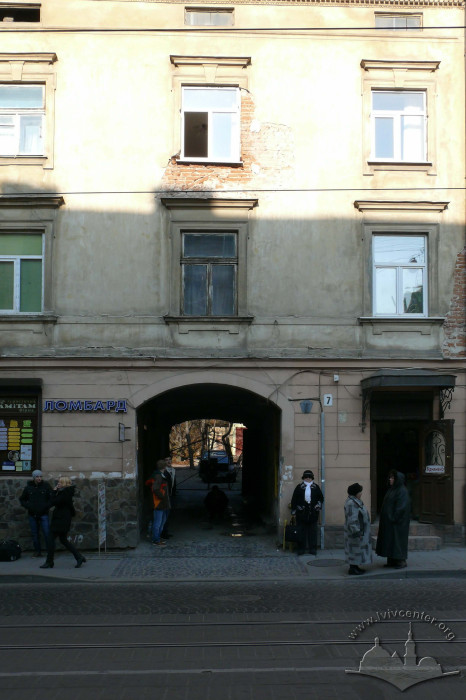
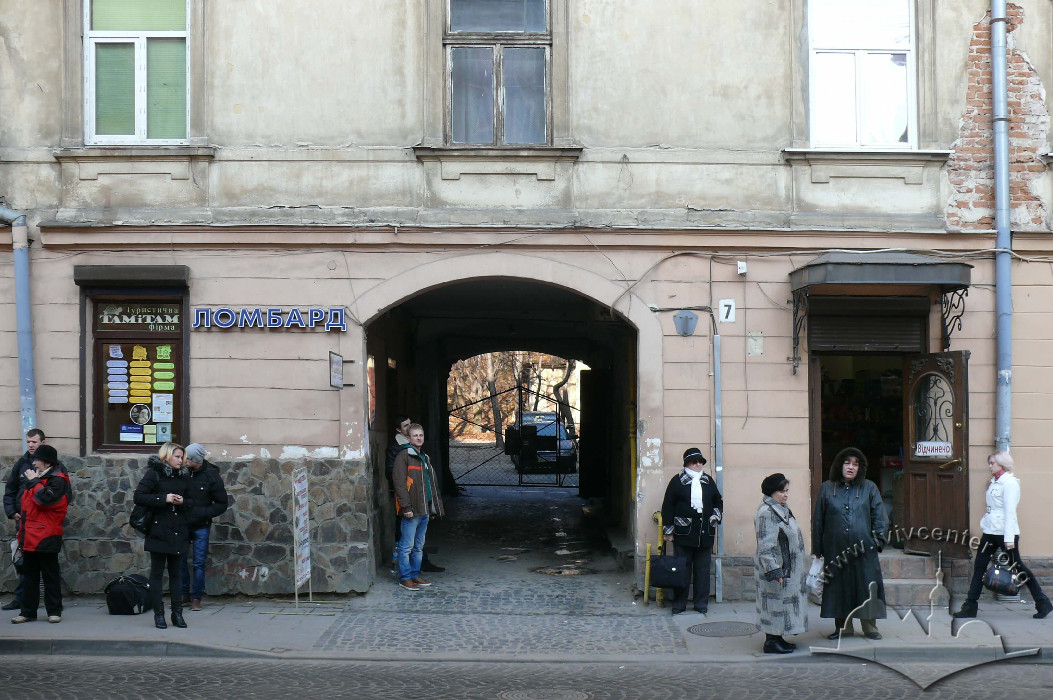
Vul. Lychakivska, 7 – cinema (no longer in operation) ID: 1698
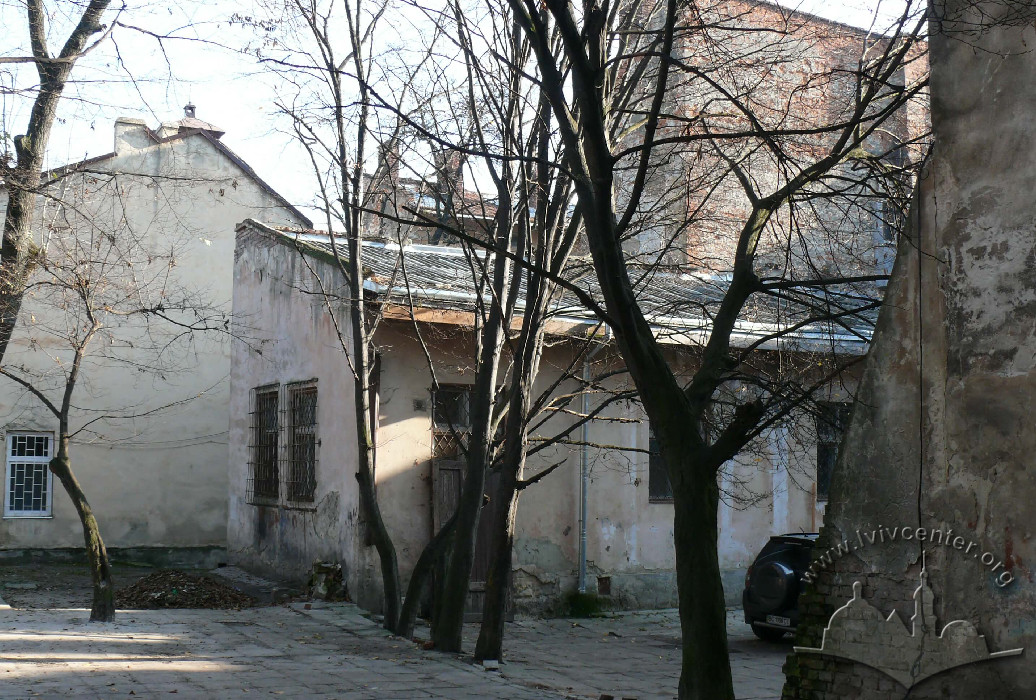
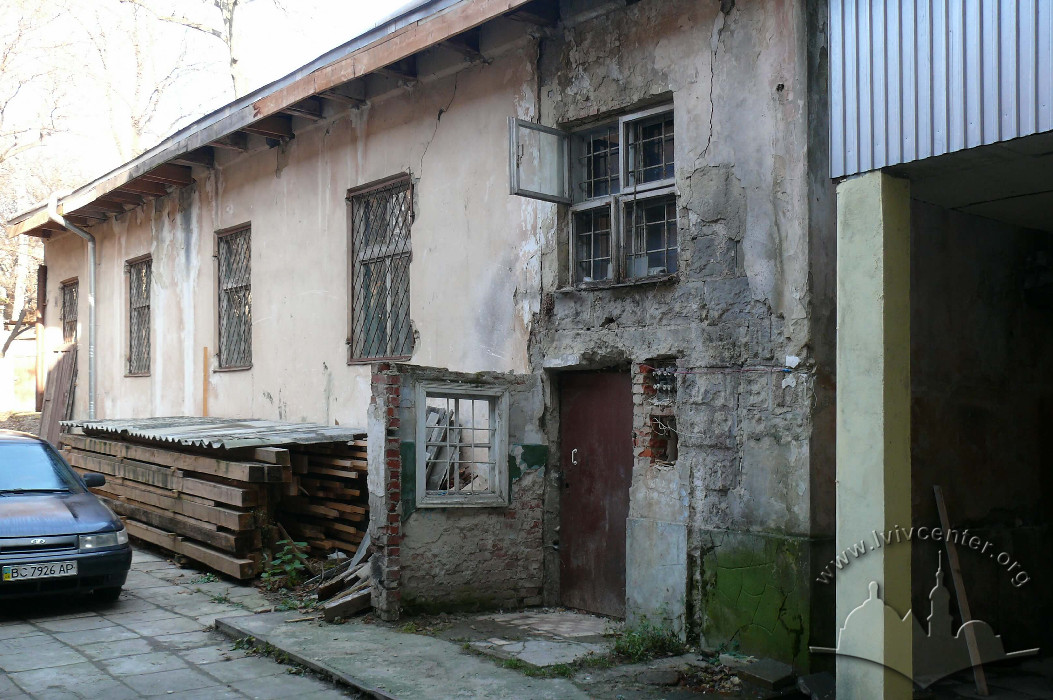
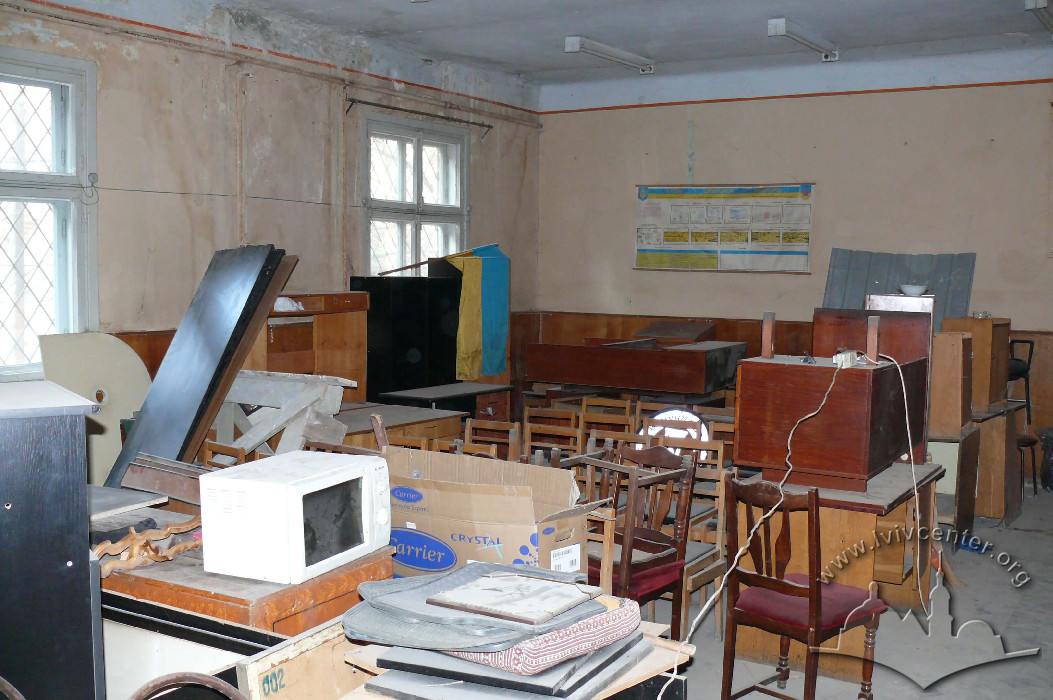
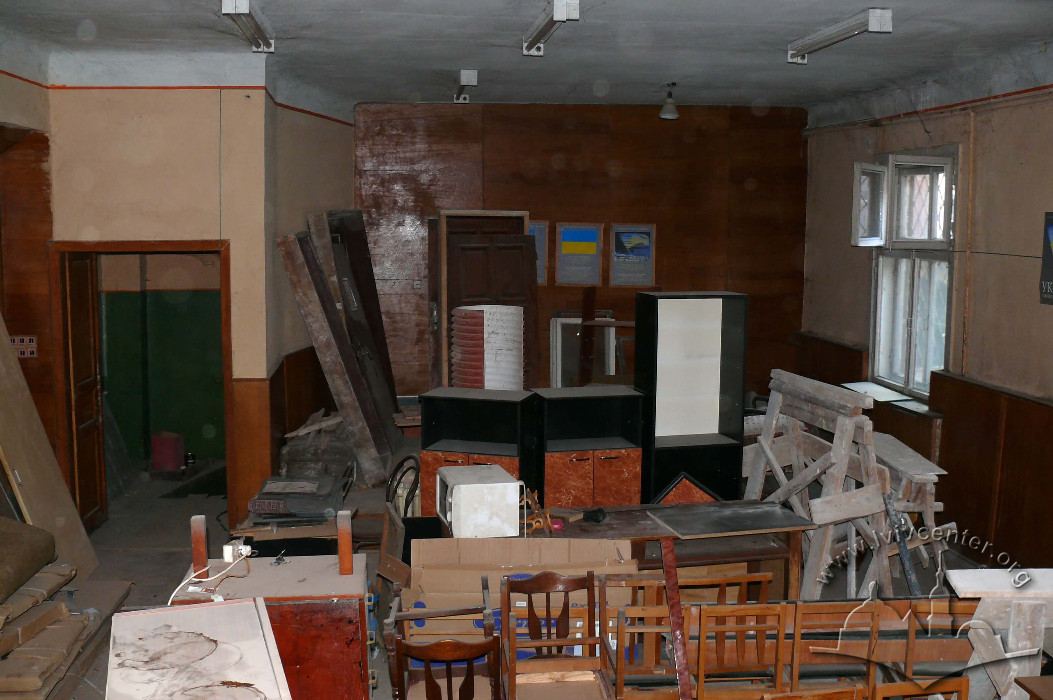
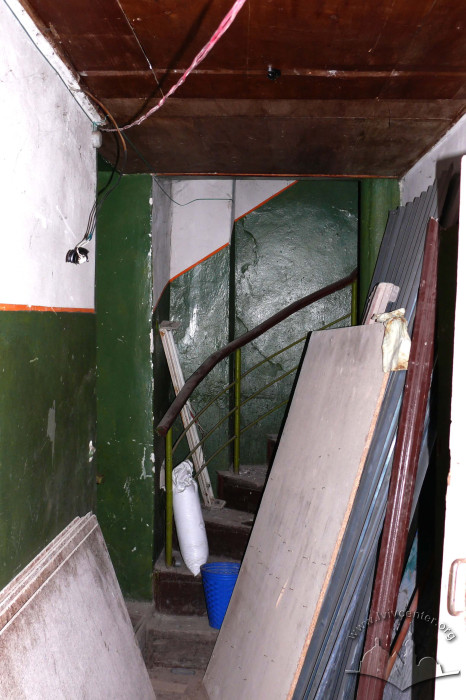
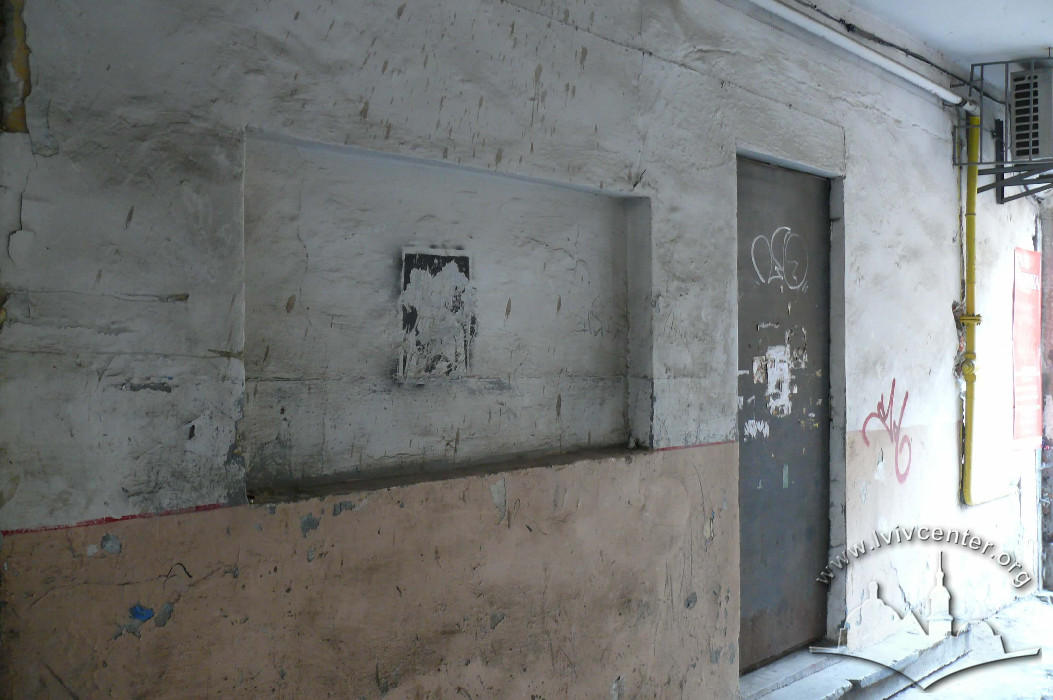
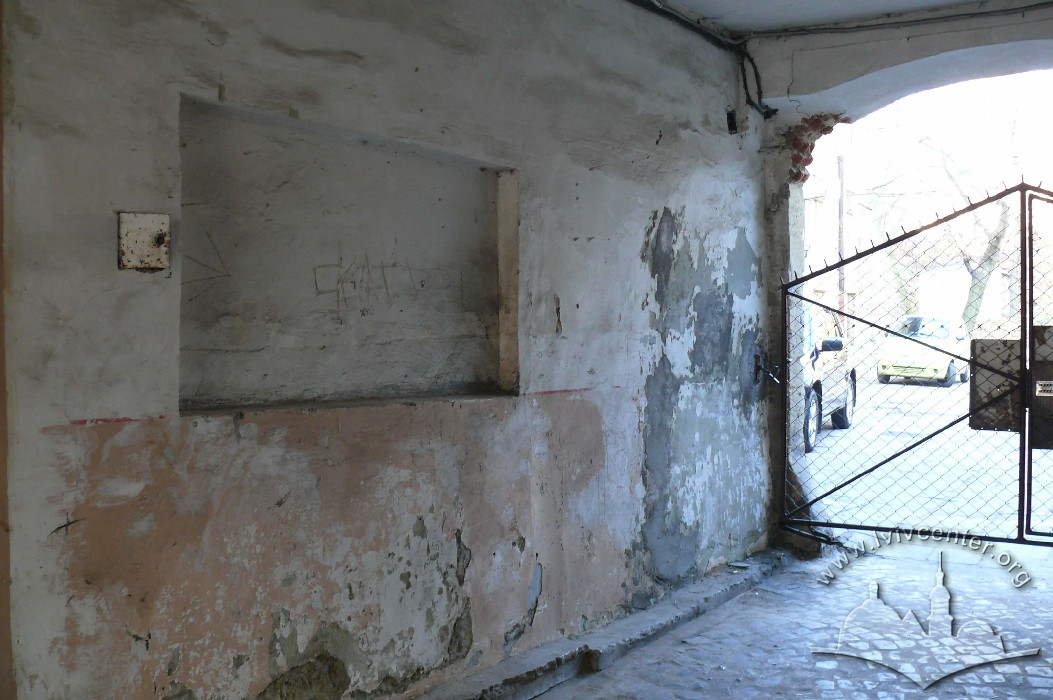
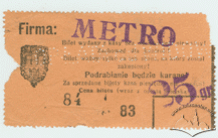
A movie theater named "Metro" operated in the rear wing of the building at what is now vul. Lychakivska 7 from 1934 to 1944. It was highly popular among locals due to its low ticket prices. Following World War II, the space was converted into workshops for repairing cinema equipment.
Story
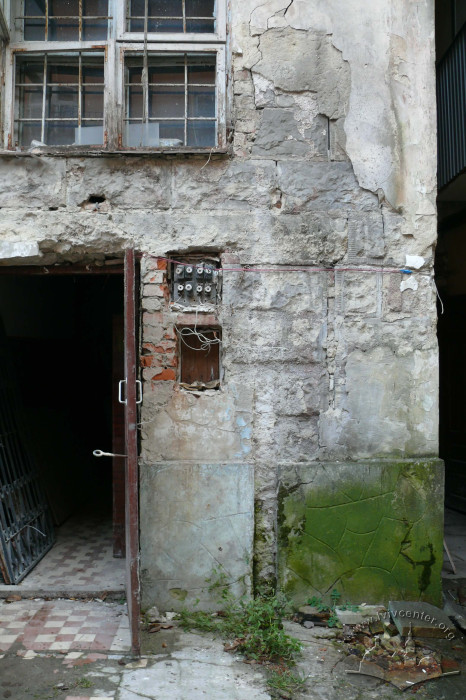
A 180-seat movie theater named "Metro" operated in a single-story outbuilding within the courtyard of a residential house, with its entrance accessed via vul. Lychakivska 7. It was highly popular among locals due to its low ticket prices. In 1938–1939, the theater was owned by Pepi Kulman and managed by Stanistawa Kozłowska. The cinema operated under the name "Metro" until 1944; during the postwar period, the former theater premises housed workshops for repairing cinema equipment.
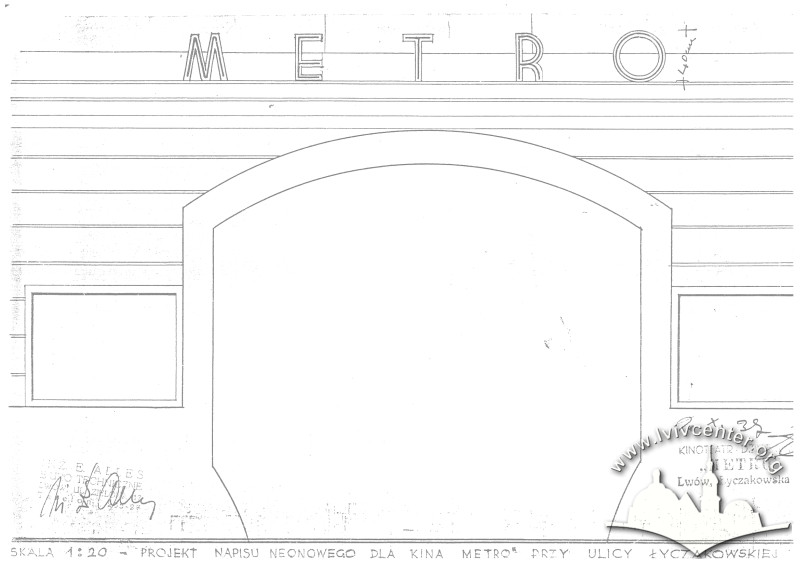
In 1937, a design was developed for a neon sign featuring the theater's name. The 40 cm high lettering spelling out "Metro" was to be mounted on the main façade of the building at vul. Lychakivska 7, directly above the entrance archway. The project was designed by the technical bureau of engineer E. Alles. According to the same design, display cases for movie posters were to be installed on both sides of the gate. The blueprints were approved by the Lviv City Council on October 9, 1937.
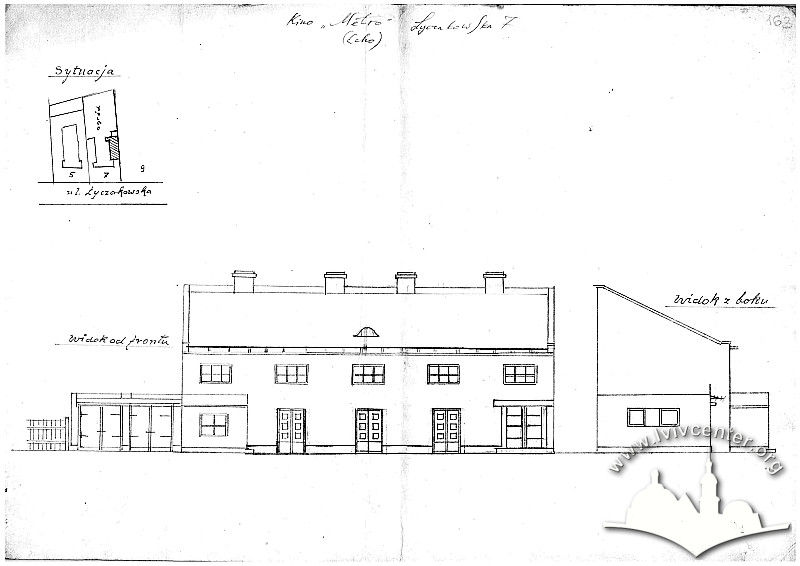
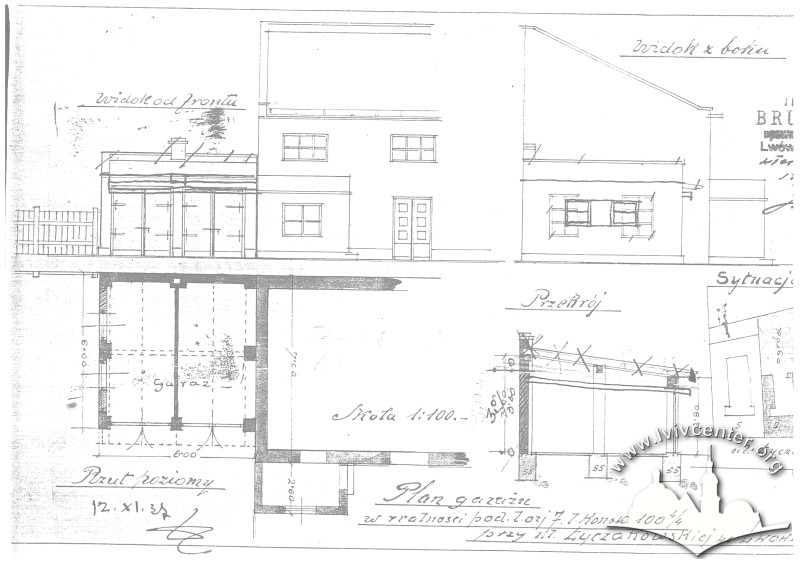
Another project was executed that same year for a two-car garage extension to the theater building. The blueprints for this addition refer to the cinema by a different name — "Tęcza" (Rainbow). This design was approved by the city council on November 12, 1937.
The following films were scheduled for screening at the "Metro" theater as of September 1:
"The Witch Doctor" ( 100 min., Warszawskie Biuro Kinematograficzne Feniks, 1937);
"Lucky 13" (Pol. Szczęśliwa 13-tka, Composer: Petersburski, Syrena-Electro, 1938), which featured Mieczysław Fogg's waltz "Młodym być i więcej nic," a popular song at the time;
On September 8, a Lviv-produced comedy titled "Love Maneuvers, or Daughter of the Regiment" (Pol. Manewry miłosne czyli córka pułku, Kinofilm Lwow, 1935) (Chwila).
People
Leszek Allerhand (1931–2018) — a physician and grandson of the prominent Lviv jurist Maurycy Allerhand; he survived the Holocaust in Lviv along with his parents.Sources
- Державний архів Львівської області (ДАЛО) 2/1/800
- ДАЛО 2/1/801.
- ДАЛО 1/56/158.
- ДАЛО 7/3/638.
- Skorowidz krol. stol. miasta Lwowa (1889).
- Gierszewska, Barbara, Kino i film we Lwowie do 1939 roku (Kielce: Wydawnictwo Akademii Swiętokrzyskiej, 2006).
- Mieczysław Fogg, Młodym być i więcej nic, 1938. YouTube.
- Przewodnik po Lwowie, (Lwów: Reklama Lwowska, 1936).
- Taschenjahrbuch 1943. Für den deutschen Generalgouvernement. ZKW Druck. Krakau, 1943.
- Приватна збірка П. Ґранкіна.
- Мельник Б. В. Довідник перейменувань вулиць і площ Львова. ХІІІ — ХХ століття (Л. Світ: 2001).
- Радянський Львів: 1939–1955. Документи й матеріали (Львів: Книжково-журнальне видавництво, 1956).