Vul. Lesia Kurbasa, 3 – cinema (no longer in operation) ID: 1690
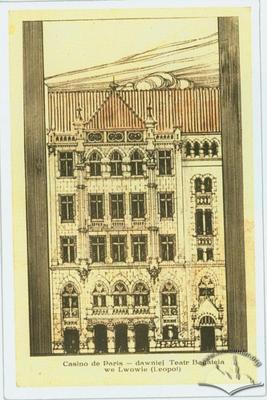
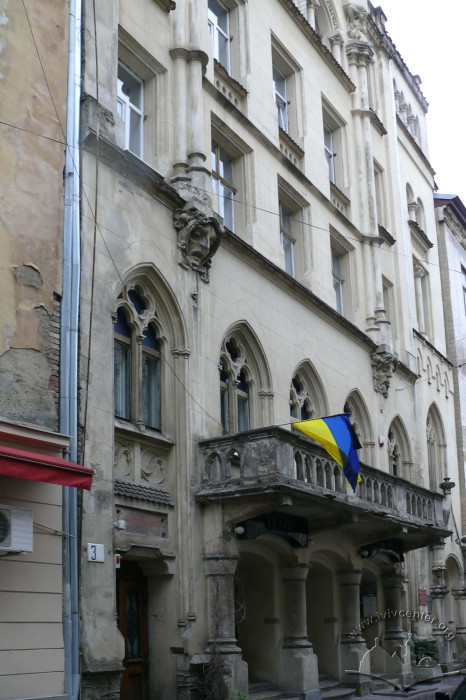
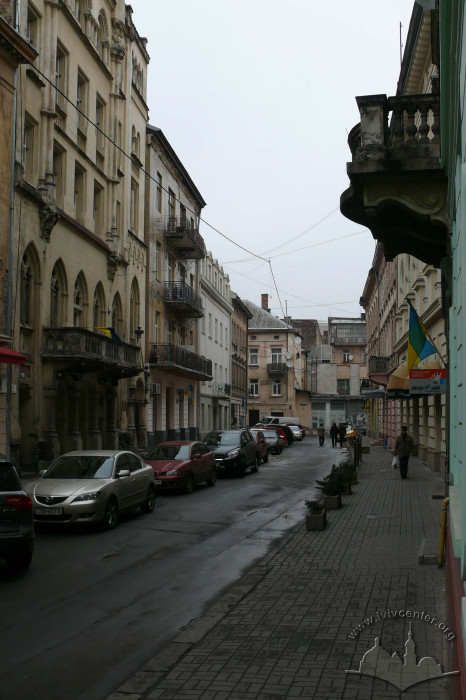
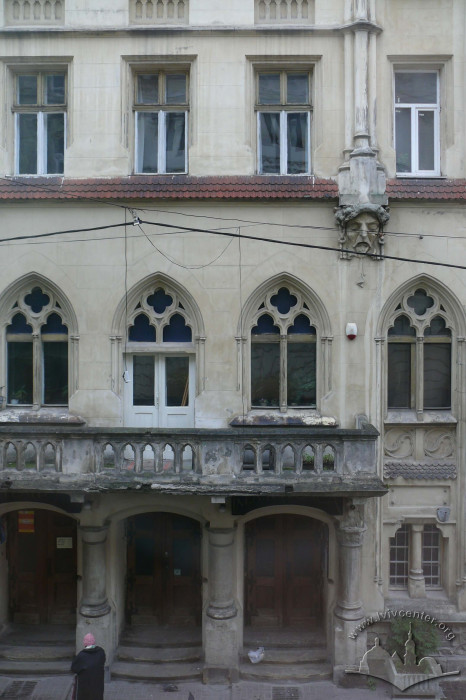
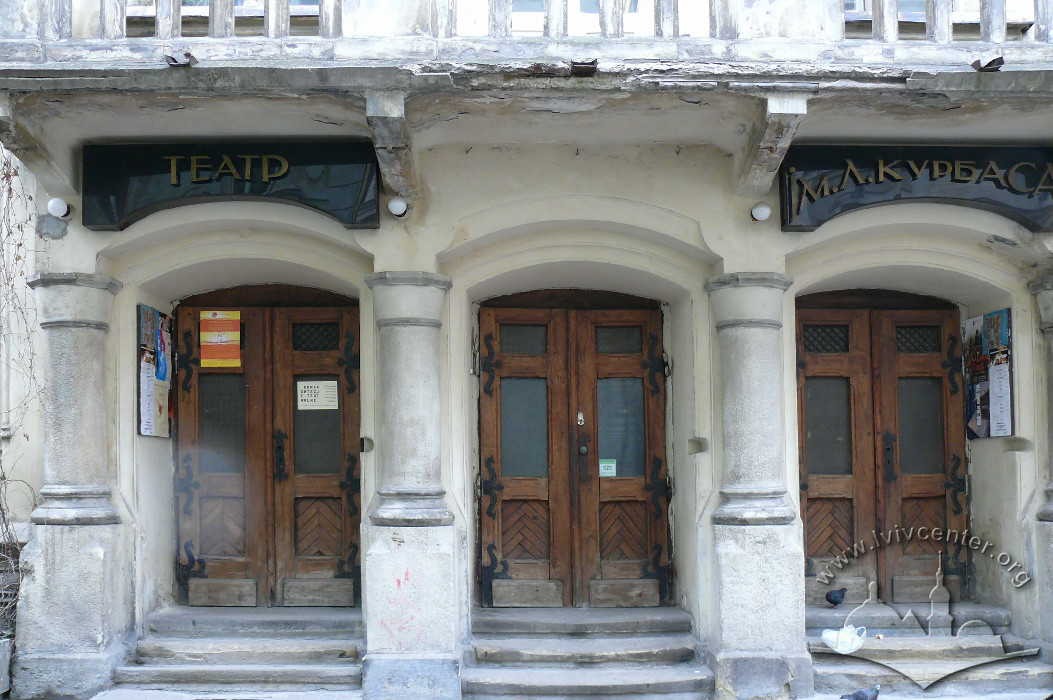
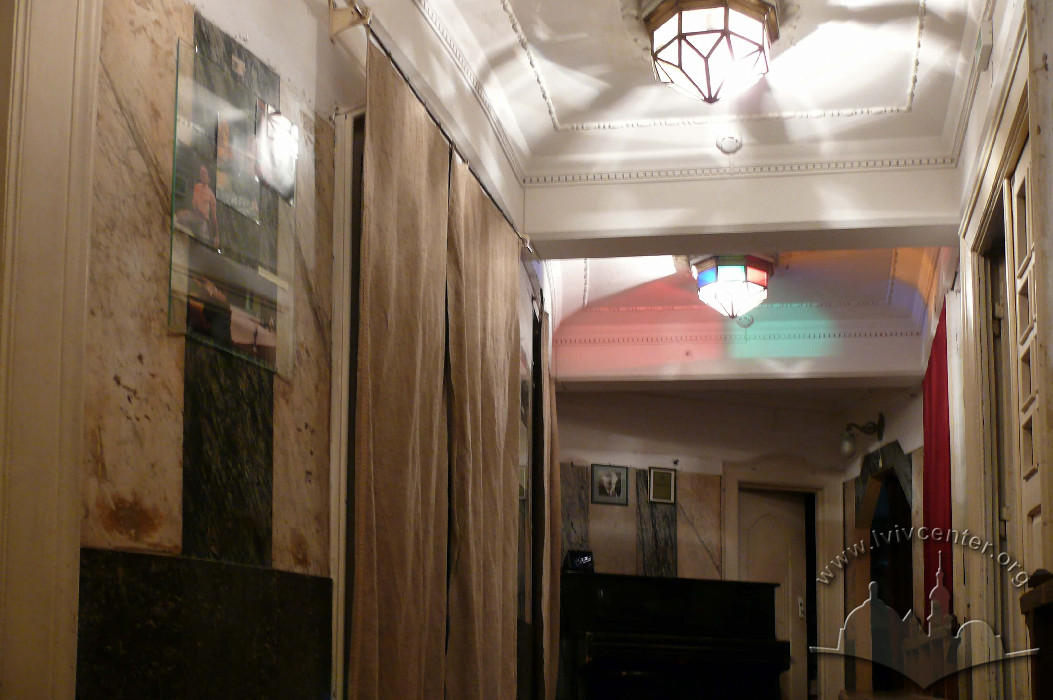
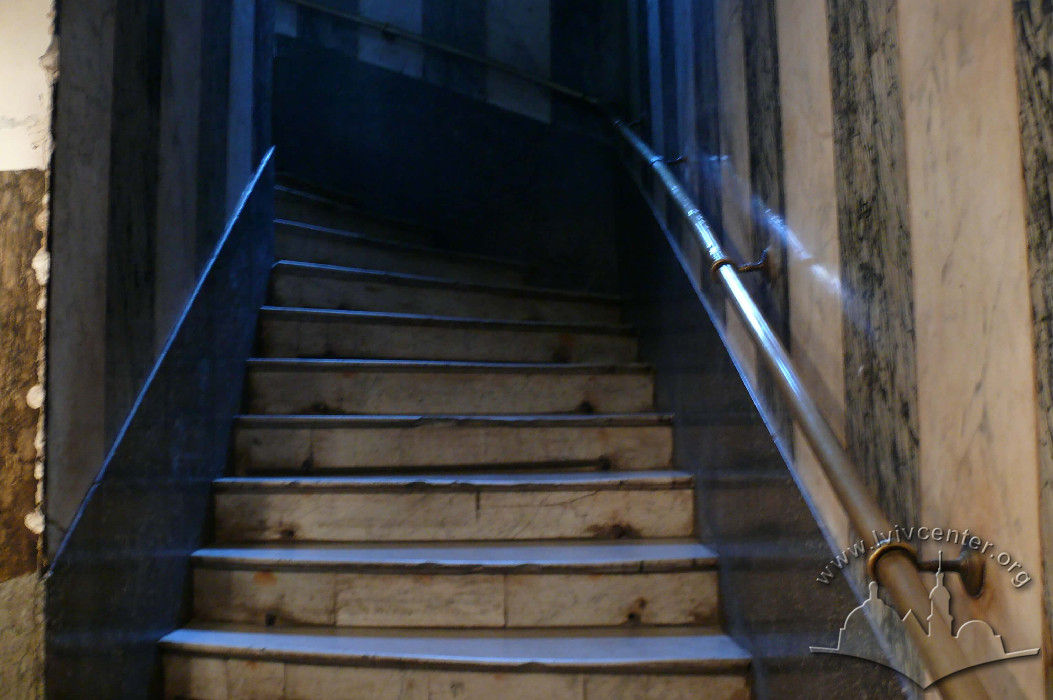
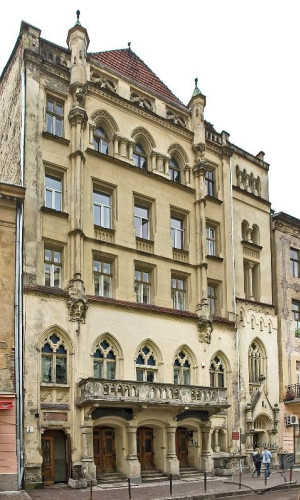
The building of the former variety theatre at vul. Lesia Kurbasa 3 hosted the following cinemas: "Casino de Paris" (1911–1916) and the "Red Cross Cinema" (1916–1918). Today (as of 2013), the building houses the Les Kurbas Lviv Academic Theatre.
Story
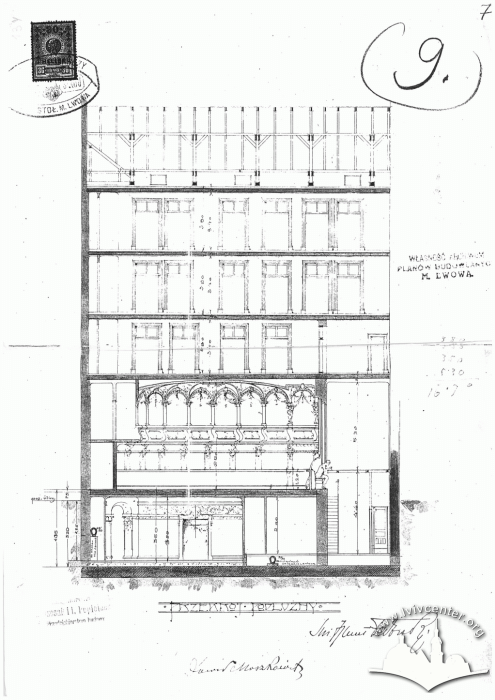
The building at the present-day address of vul. Lesia Kurbasa 3 (formerly ul. Rejtana 7) was constructed as a variety theatre in 1909 according to a revised 1908 design by the Vienna Construction Bureau. The architects were Zygmunt Fedorski and Stanisław Macudziński.
In this building, Melchior Meiblum opened the "Casino de Paris" cinema in 1911. Ticket prices were relatively low, ranging from 2 to 5 crowns in the variety boxes and the second-floor boxes.
A poster for the "Casino de Paris" was displayed on a billboard on Virmenska Street between 1911 and 1918, which announced a production of Johann Strauss's operetta The Bat (Die Fledermaus). A cinema operated within the variety theatre from 1911 to 1918; this may refer to screenings of the first 1917 film adaptation by Ernst Lubitsch, Das Fidele Gefängnis (The Merry Jail).
From 1916 to 1918, the cinema was owned by the Red Cross (Pol. Czerwony Krzyż), and it changed its name to the "Red Cross Cinema" (Pol. Kino Czerwonego Krzyża). A significant portion of its profits was donated to support soldiers and their families.
Following the end of the First World War in 1918, the cinema ceased operations due to the closure of the Lviv branch of the Vienna-based "Urania" studio, and because Melchior Meiblum left Lviv.
Architecture
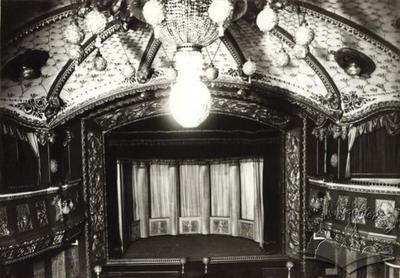
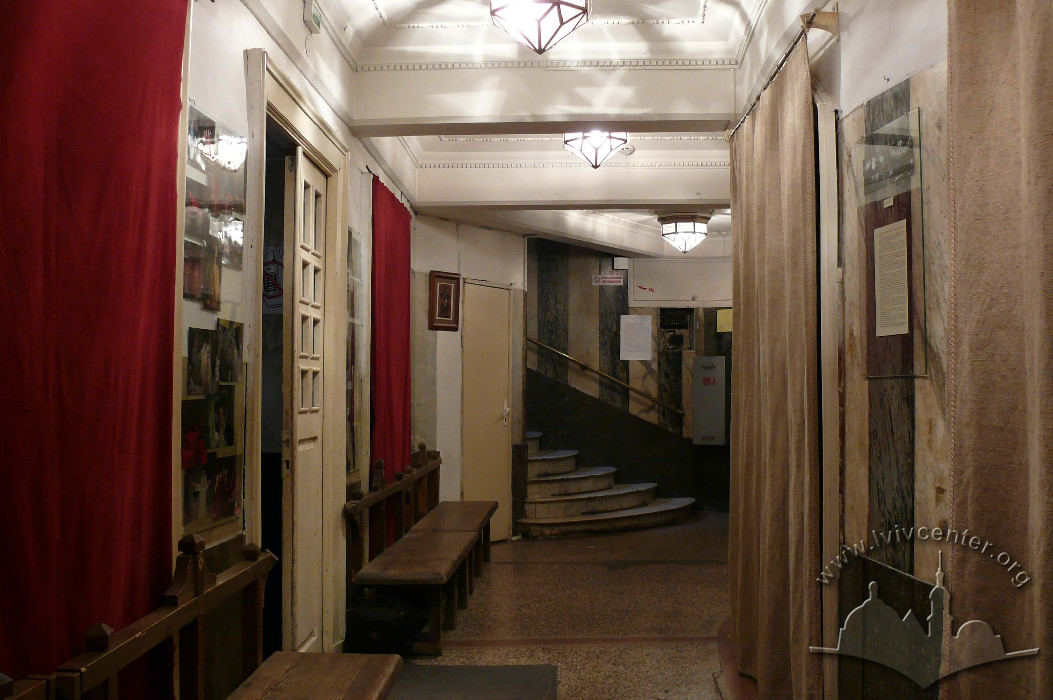
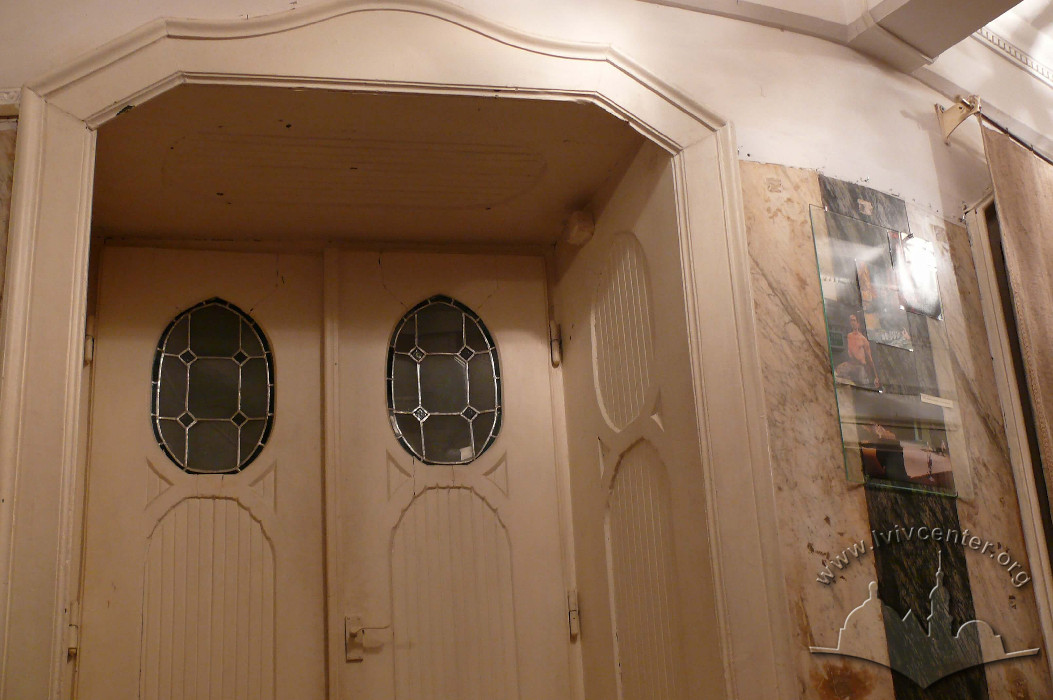
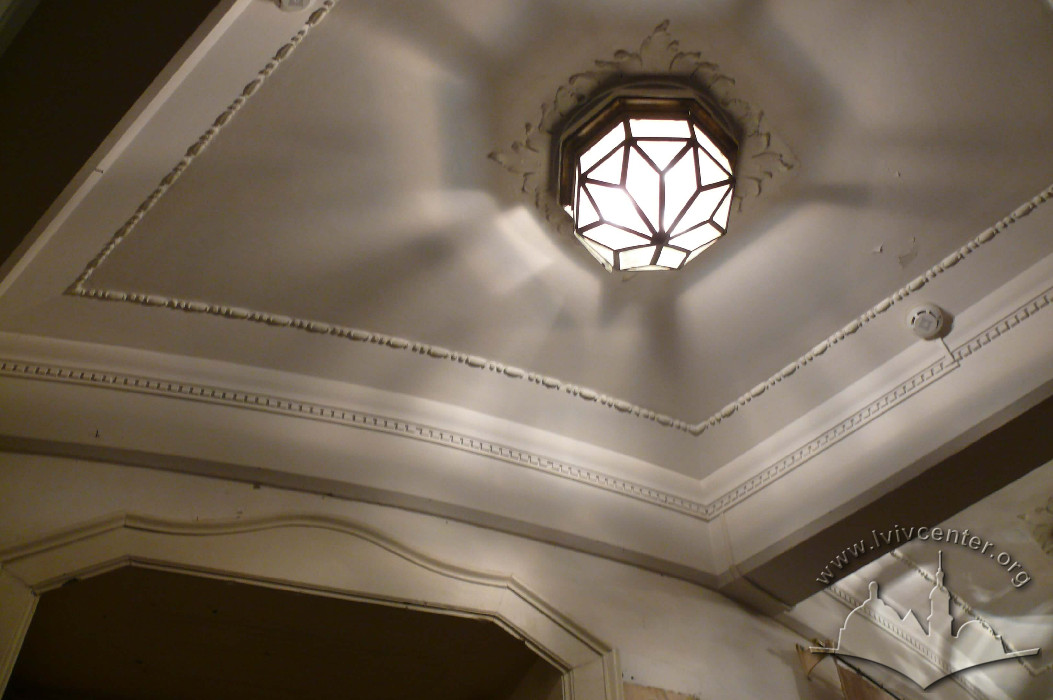
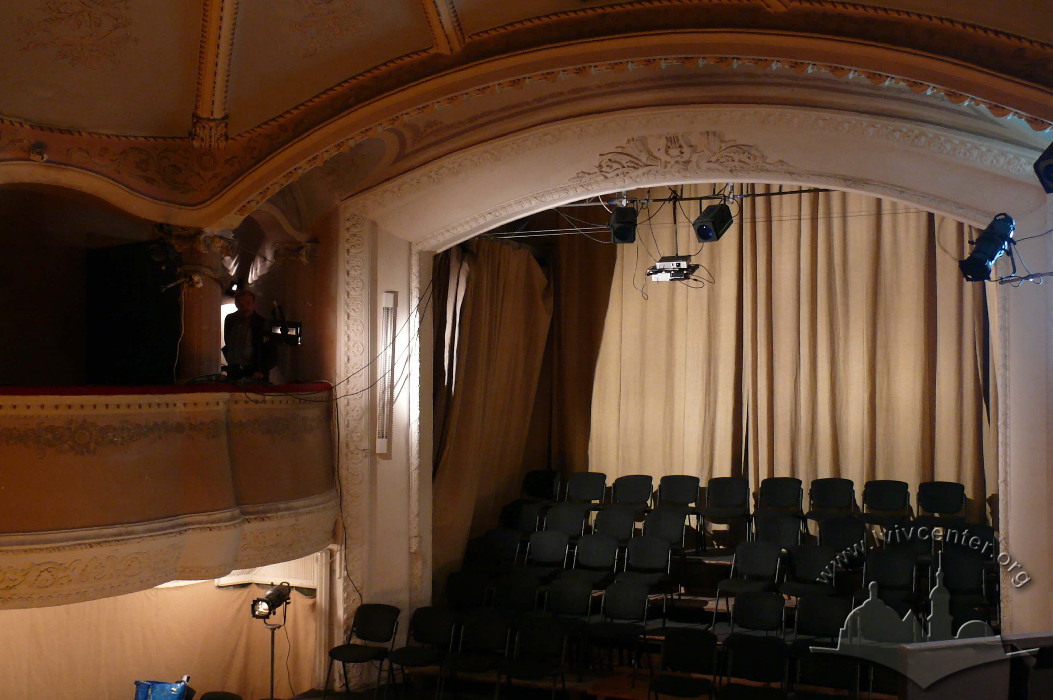
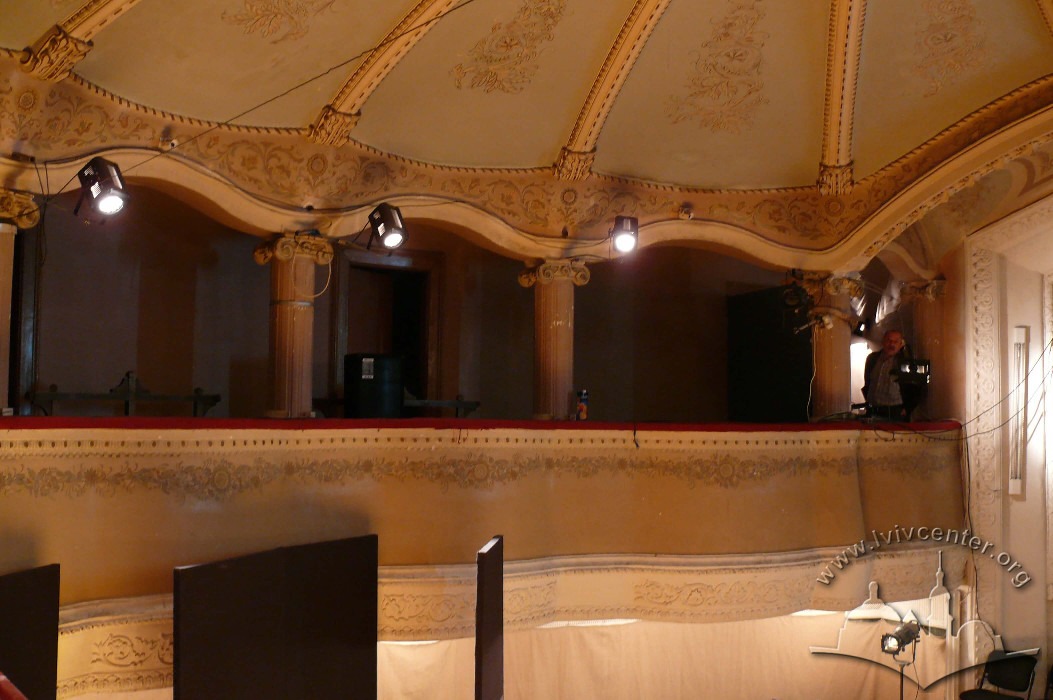
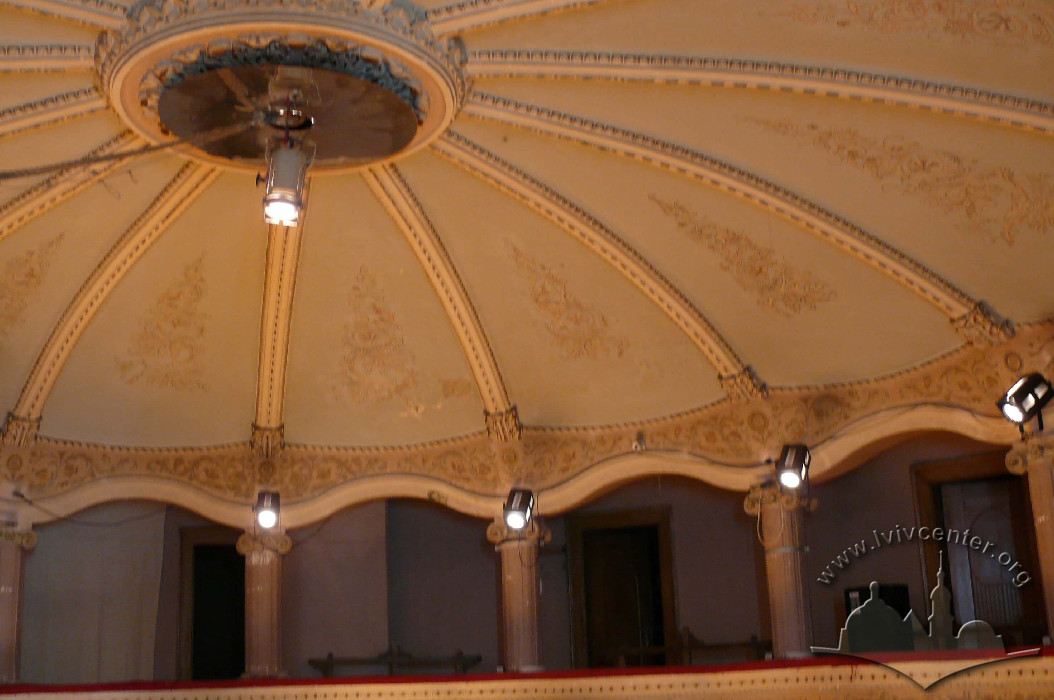
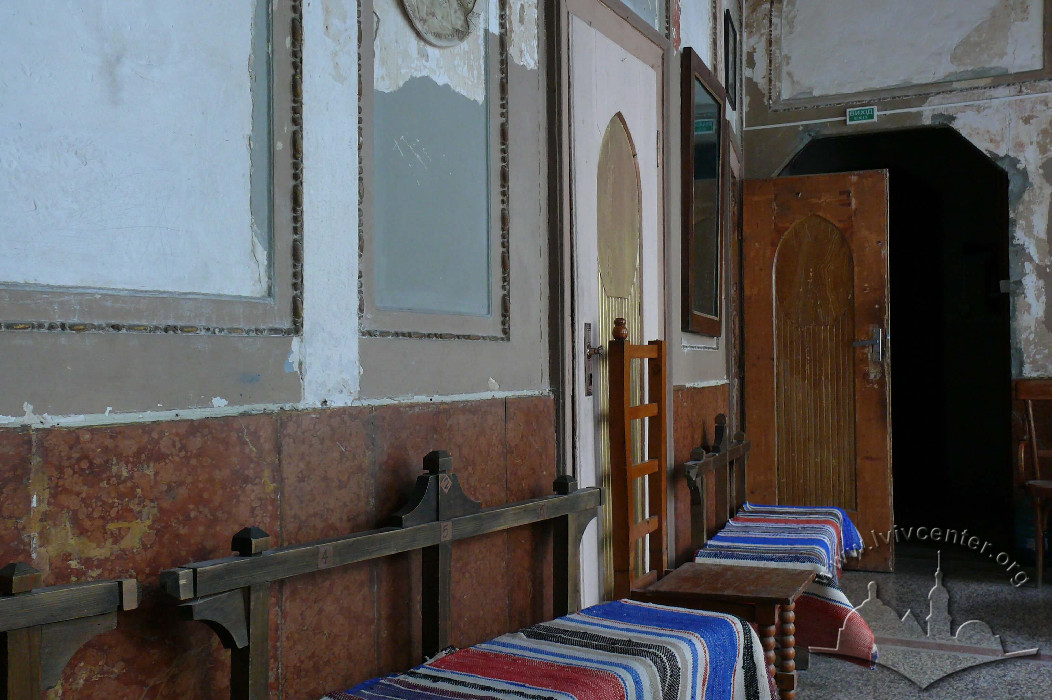
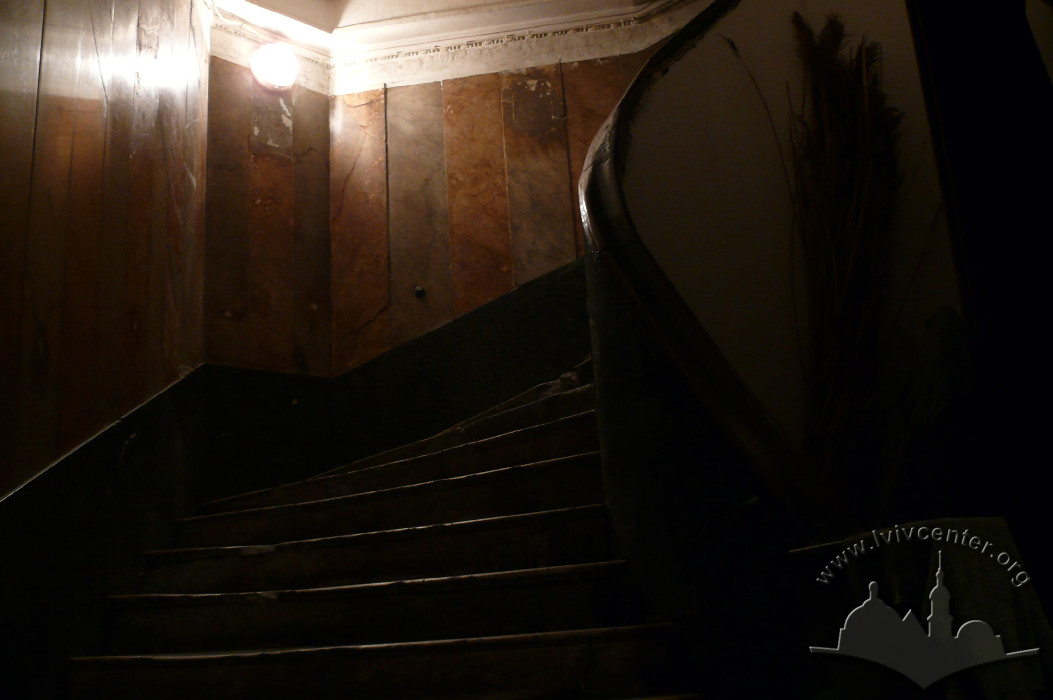
The interior features an oval auditorium with a depth of 11.5 meters and a height of 6.5 meters, with a proscenium arch measuring 4.5 by 5.5 meters. Metal was used in the construction of the beams and boxes. The auditorium features ornamental paintings by Zygmunt Balk, and the balconies are decorated with bass reliefs by Franciszek Biernat. The stage curtain, titled Bacchanalia, was created by Marian Olszewski.
Related buildings and spaces
-
Vul. Lesia Kurbasa, 3 – Les Kurbas Lviv Academic Theatre
People
Zygmunt Balk — artist, author of the interior ornamental paintings.
Franciszek Biernat — sculptor, author of the interior bas-reliefs.
Zygmunt Fedorski — architect.
Stanisław Macudziński — architect.
Melchior Meiblum — cinema chain owner, founder of the "Casino de Paris."
Marian Olszewski — artist, creator of the Bacchanalia stage curtain.
Sources
- Barbara Gierszewska, Kino i film we Lwowie do 1939 roku (Kielce: Wydawnictwo Akademii Świętokrzyskiej, 2006), 428.
- Архітектура Львова: Час і стилі. ХІІІ–ХХІ ст. (Львів: Центр Європи, 2008), 720.
- Борис Мельник, Довідник перейменувань вулиць і площ Львова. ХІІІ–ХХ століття (Львів: Світ, 2001), 126.
- Віктор Проскуряков, Юрій Ямаш, Львівські театри: час і архітектура (Львів: Центр Європи, 1997), 132.
- Приватна збірка І. Котлобулатова.
- Приватна збірка П. Ґранкіна.
- Радянський Львів: 1939–1955. Документи й матеріали (Л.: Книжково-журнальне видавництво, 1956).