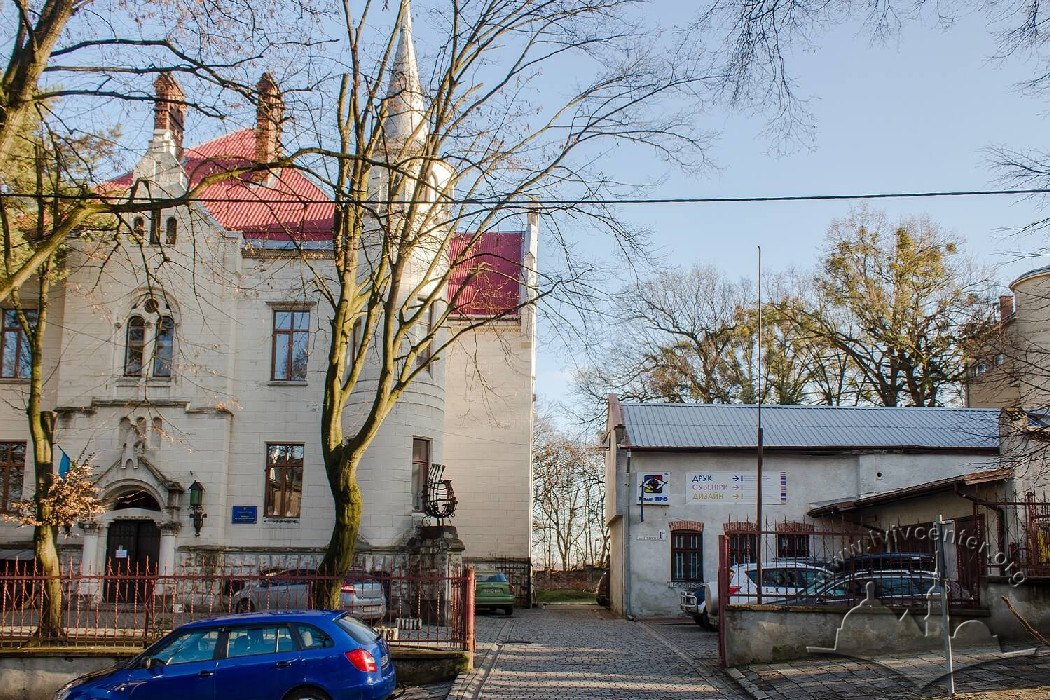
Vul. Halytskoi Armii, 1a – O. Novakivskyi Art School (former villa) ID: 2477
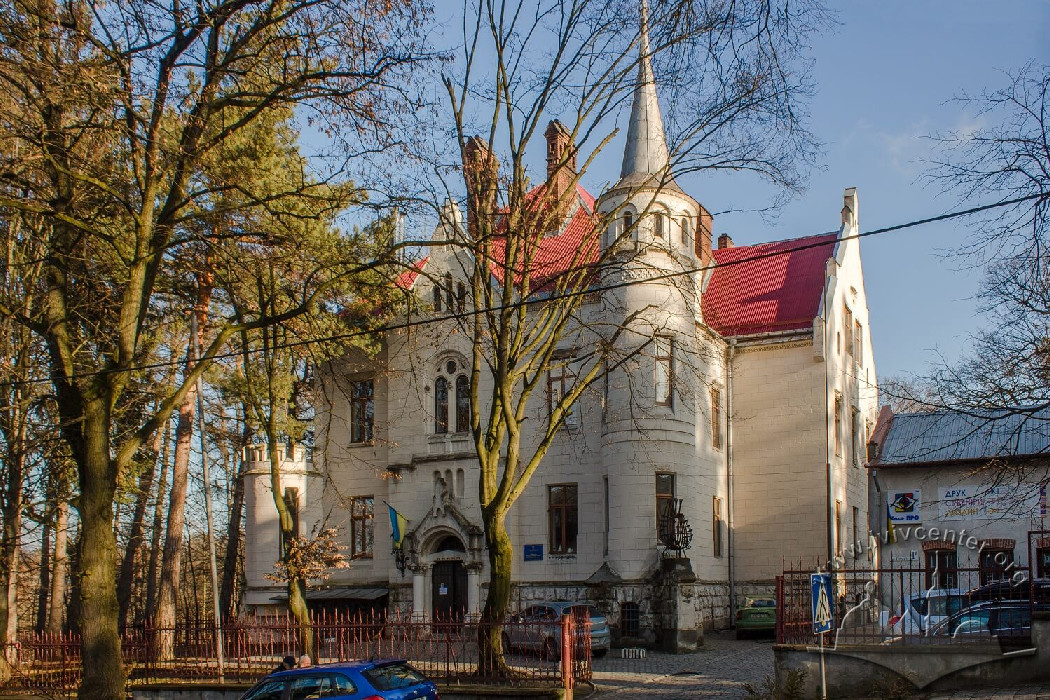
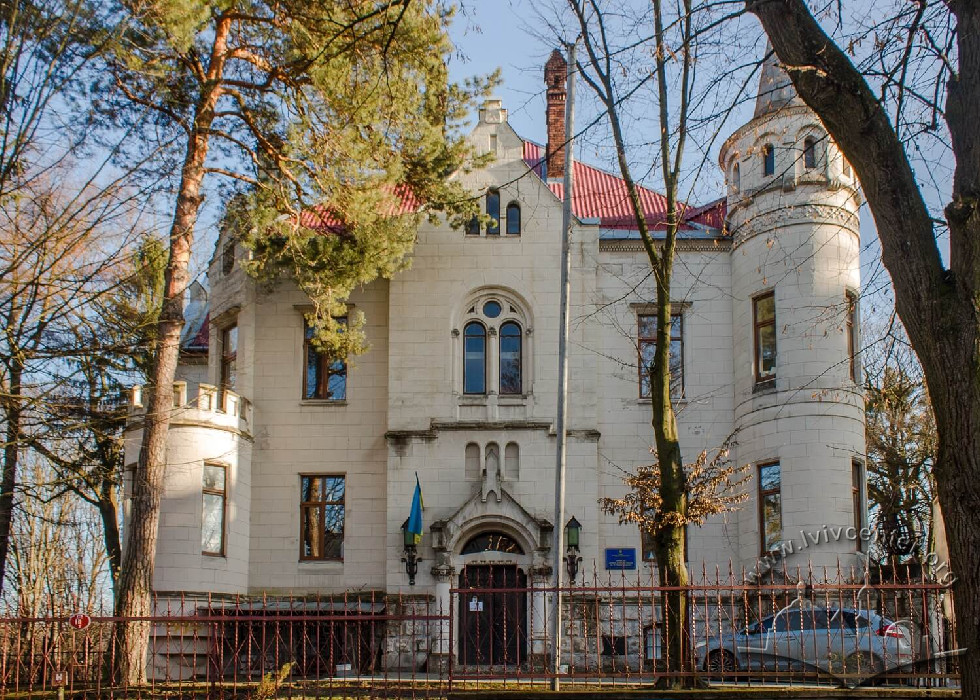
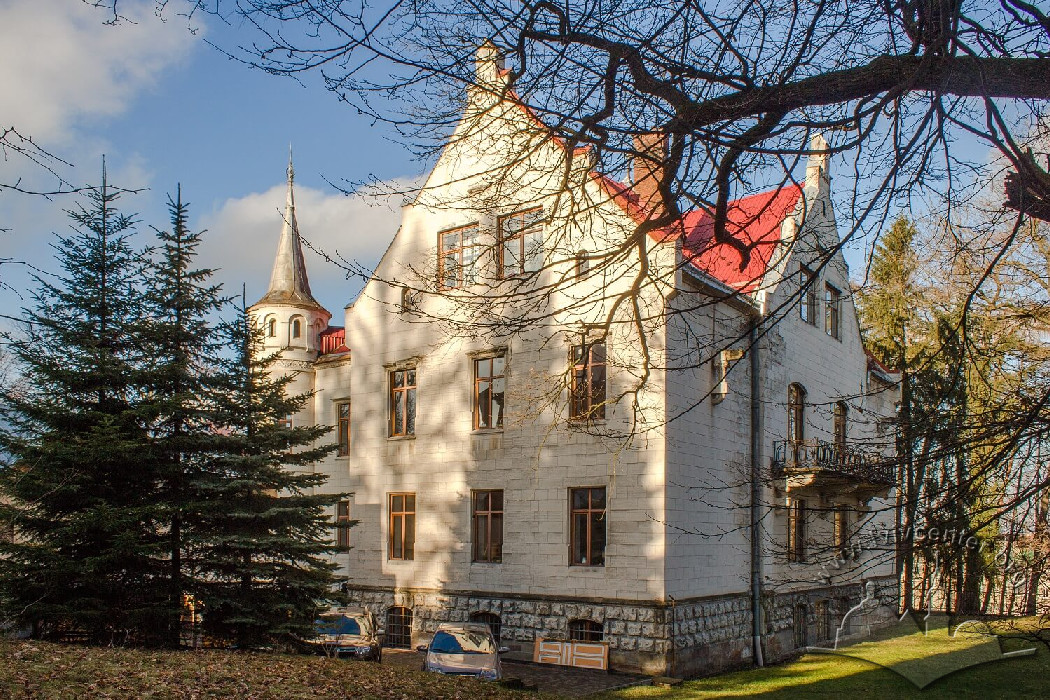
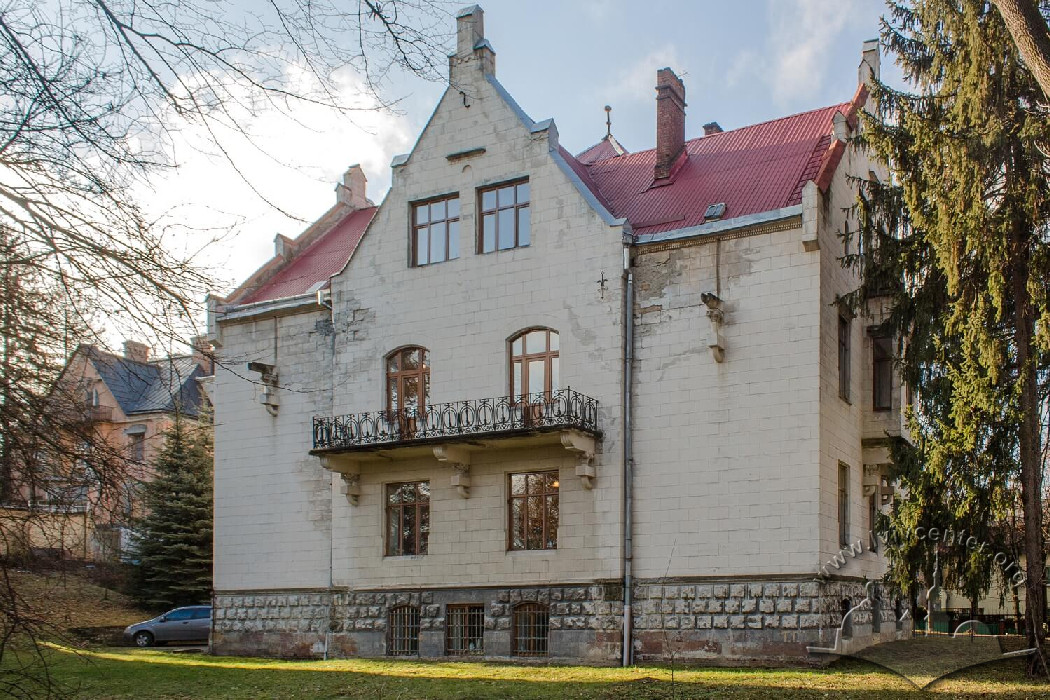
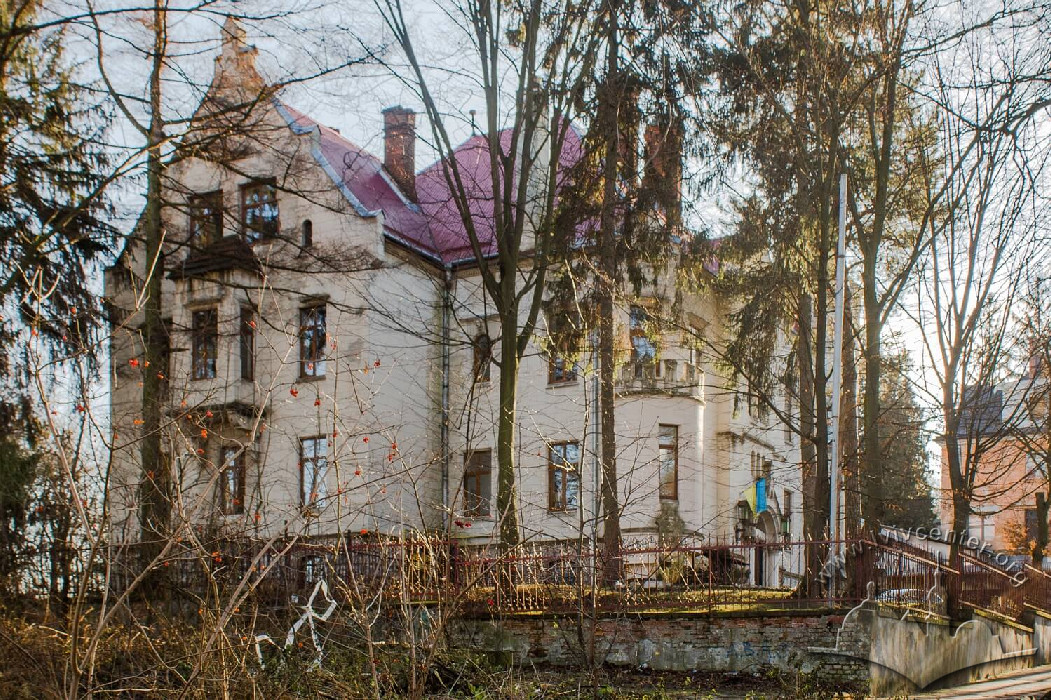
The building was constructed in 1903–1904 according to a design by architect Artur Schleyen. It was built as a private villa for Dr. Jan Dylewski, a member of the Lviv City Council and a prominent public figure. The villa is a striking example of Neogothic architecture, incorporating structural solutions that were innovative for the early twentieth century. It is an Architectural monument (Protection No. 1226-M). Today, it houses the Oleksa Novakivskyi Children's Art School.
Story
Ul. Kadecka boczna, which emerged at the beginning of the twentieth century, was once considered one of the most prestigious in the city. Situated within a picturesque, verdant area on the northern slope of the Wulecki Lands, it was developed during the first half of the twentieth century with villas — initially in the Neogothic style (houses No. 1a, 5, and 7), and later, in the 1930s, in the Functionalist style.
In 1913, the street was named in honor of the Polish magnate family, the Herburtowie dynasty. During the German occupation (1943–1944), it was known as Maienstrasse, and in 1945, it was renamed after the Russian composer Mikhail Glinka (1804–1857). Since 2022, it has been named vul. Halytskoi Armii.
The first owner of the villa was Dr. Jan Dylewski, a jurist. He was a member of the Lviv City Council and held various positions within the Lviv magistrate, serving on several committees (legal affairs, the savings bank, the city archive, and others). Over the years, Dylewski also served as the vice president of both the Court of Appeals and the Supreme Provincial Court.
On May 6, 1903, the Lviv magistrate approved the design for the villa, developed by architect Artur Schleyen. According to archival documents, construction was completed on June 24 of the following year (ДАЛО 2/1/2257). As designed, it was a two-story villa featuring a vibrant Neogothic aesthetic. In 1904, a stable was built next to the villa on the southern side of the lot. Its design was approved on June 14, and by June 24, the magistrate had already certified the completion of its construction.
At the time of its construction, the villa's address was ul. Kadecka boczna 1 (conscription No. 1601 ¼), which later became ul. Herburtów 1. Jan Dylewski remained the owner until 1924; after his death, the building was inherited by Janina Dylewska, likely his daughter. She remained the owner of the house until at least 1935 (Księga adresowa, 1935).
On the eve of World War II, the villa housed the Henryk Jordan Private Humanitarian Gymnasium. In August 1939, architect Jan Jarosz developed a remodeling project to adapt the building to the school's needs. The city magistrate approved the document on August 18, 1939 (ДАЛО 2/1/2257). According to the plan, the first floor featured the principal's office, a teachers' lounge, the owner's administrative office, classrooms for gymnasium and lyceum students, and restrooms. Workshops and service facilities occupied the basement level. The remodeled attic was designated for a doctor's office and several additional classrooms. A planned extension between the villa and the stable was never realized (ДАЛО 2/1/2257).
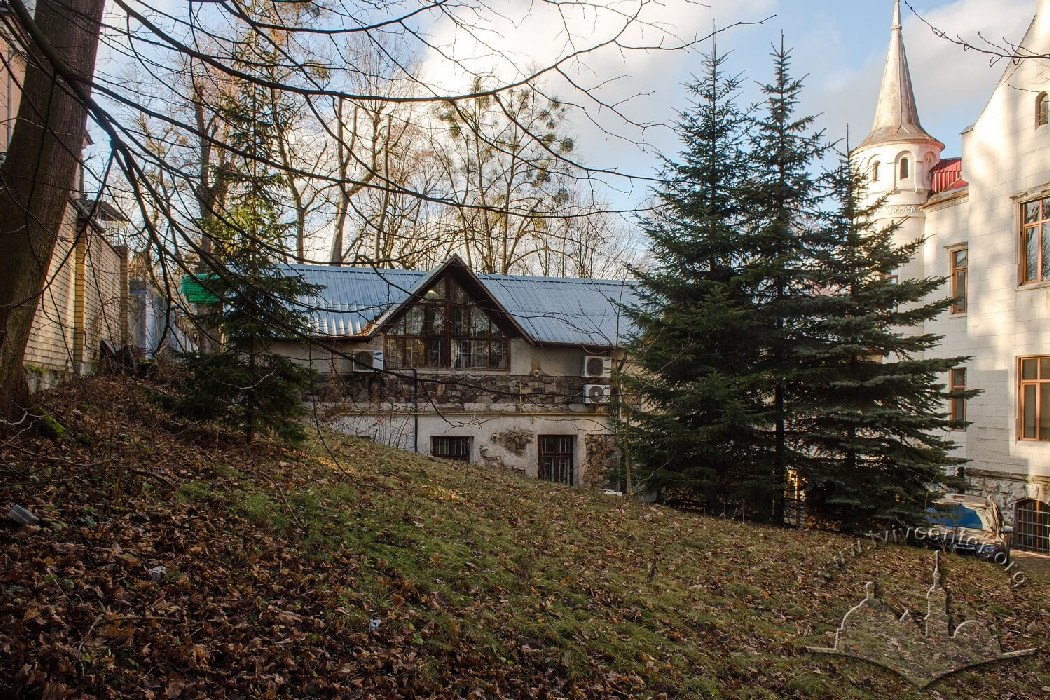
In the post-war period, the building served as Secondary School No. 2. As of 2015, it is the site of the Oleksa Novakivskyi Lviv Children's Art School. Nearby, the reconstructed former stable has housed the offices of the "Kolir PRO" printing firm since 1996.
In 2022, the street was renamed from Mykhaila Hlinky to Halytskoyi Armiyi.
Architecture
The villa stands as a detached structure amidst late nineteenth and early twentieth-century residential buildings south of the city center. Its primary façade faces vul. Halytskoi Armii. The property is enclosed by a fence that, due to the difference in elevation between the street and the plot itself, also serves as a retaining wall.
According to the design blueprints, the villa's lot was rectangular in configuration. There is a notable change in elevation between the property grounds and the street. The detached villa is positioned closer to the street front. The recreational area surrounding the villa is divided by walkways and includes a front garden as well as a utility zone featuring the former stable (now an office building).
Planning Structure
According to the 1903 design blueprints, the entrance to the villa led through the first floor into a rectangular vestibule containing a staircase. A series of rooms were grouped symmetrically around the stairs and foyer: living areas, restrooms, a bathroom, and a kitchen with access to a pantry and a service room. In the right wing of the house, the service room provided access to a circular tower containing an additional stairwell that connected the basement to all floors and featured a separate exit to the south leading into the garden. The main staircase linked the basement, first, second, and attic floors. The second floor contained bedrooms, a bathroom, a restroom, and a cupboard. Several bedrooms and the salon featured exits to terraces, while the attic floor was used for storage. The basement level housed laundry rooms, ironing rooms, storerooms, a kitchen, and a service room in the right wing, while the left wing contained cellars and a caretaker's apartment with a restroom. All rooms were heated by stoves.
During the period when the building housed the Henryk Jordan Private Humanitarian Gymnasium (specifically in 1939), architect Jan Jarosz modified and expanded the interior layout to suit its new academic purpose. The first floor contained the principal's office, a teachers' lounge, the owner's administrative office, classrooms for gymnasium and lyceum students, and restrooms. The second floor housed the library, additional classrooms, a teachers' room, a workshop, and restrooms. Mansard featured a medical office with a private bathroom, restrooms, a study, and classrooms alongside the attic areas. The basement accommodated a carpentry workshop, a natural sciences lab, a teachers' room, a service room, cellars, the caretaker's quarters, and restrooms.
According to the design blueprints, the interfloor ceilings were constructed using Klein system vaults, while the beams were made of reinforced concrete utilizing the Hennebique system — a cutting-edge technology for that era (ДАЛО 2/1/2257). The roof structure was assembled using traditional wooden rafters.
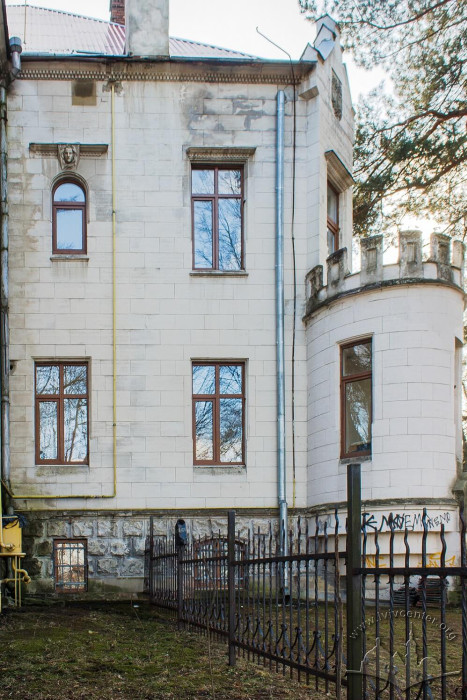
The building's architectural composition is characterized by a dynamic and asymmetrical interplay of volumes featuring varying heights and roof forms. The corner sections are specifically designed in the shape of towers.
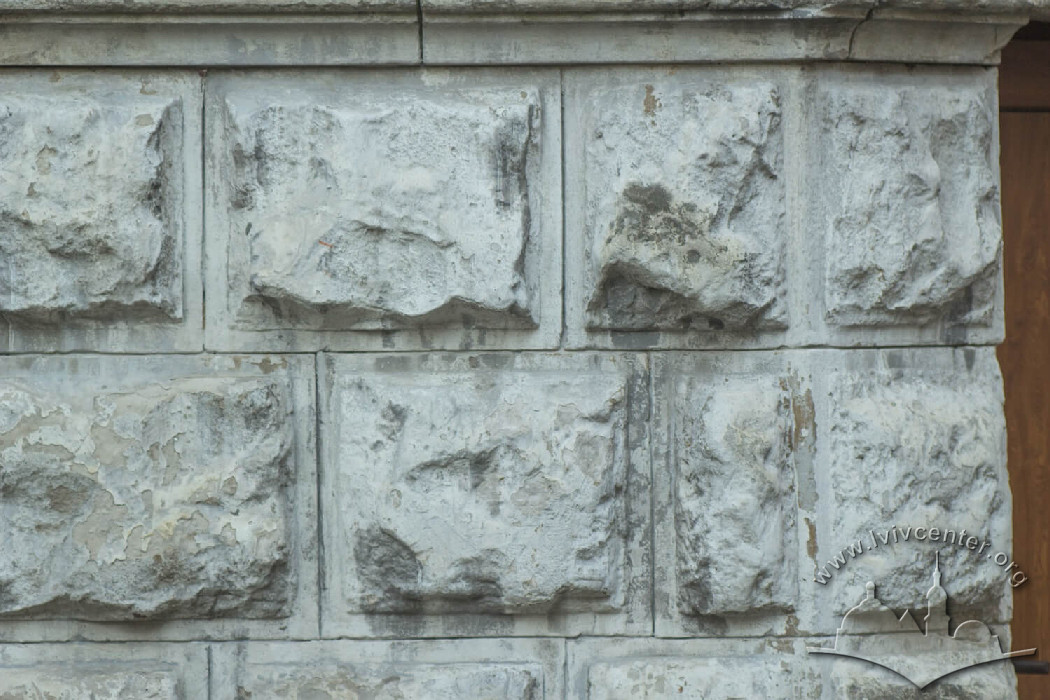
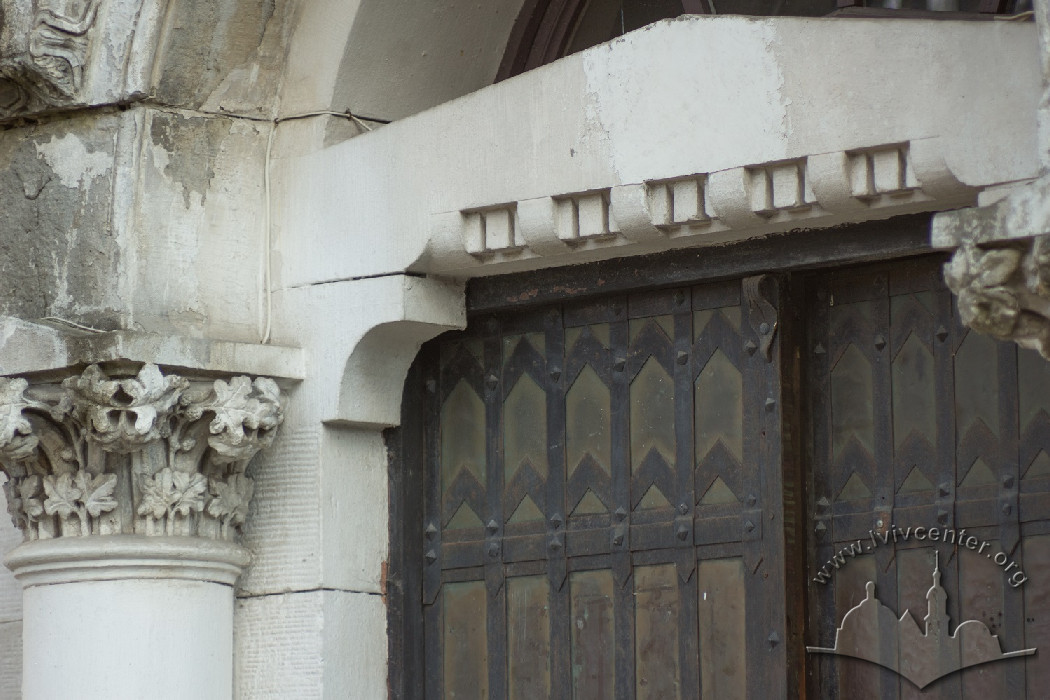
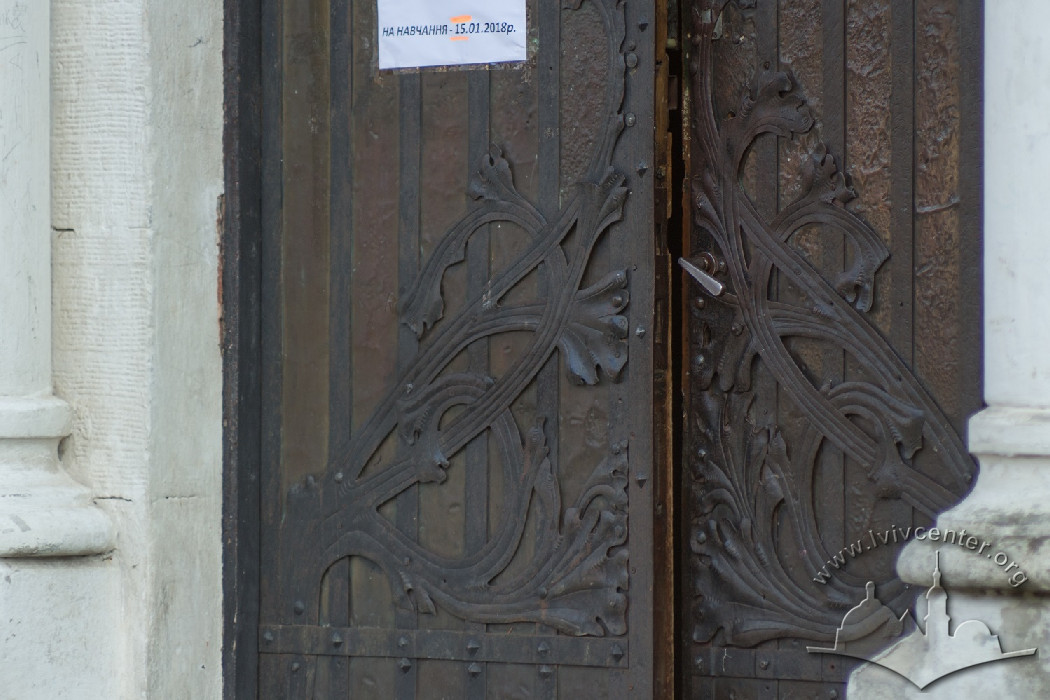
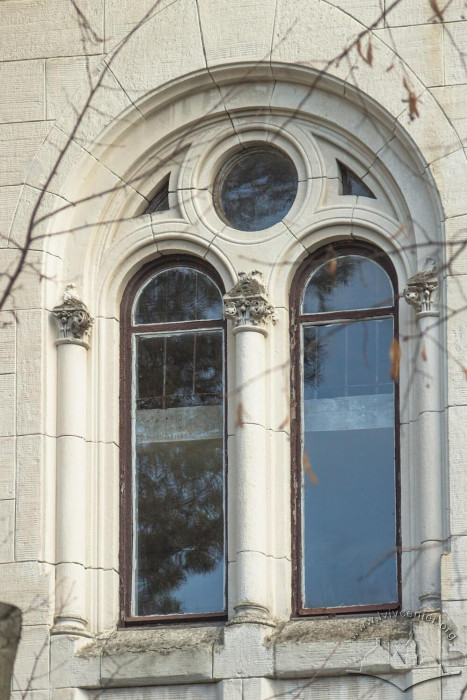
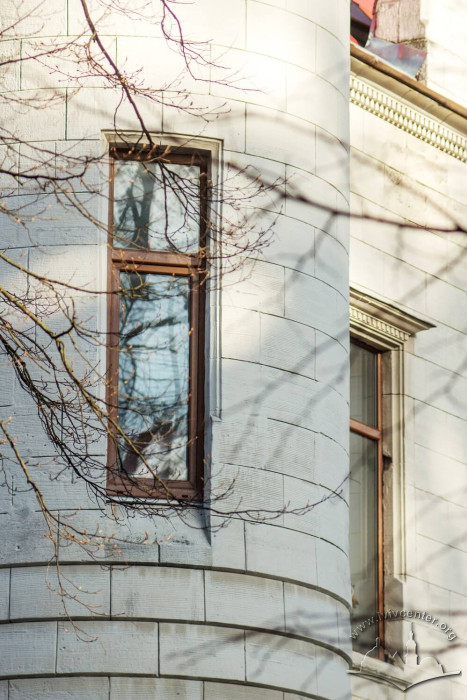
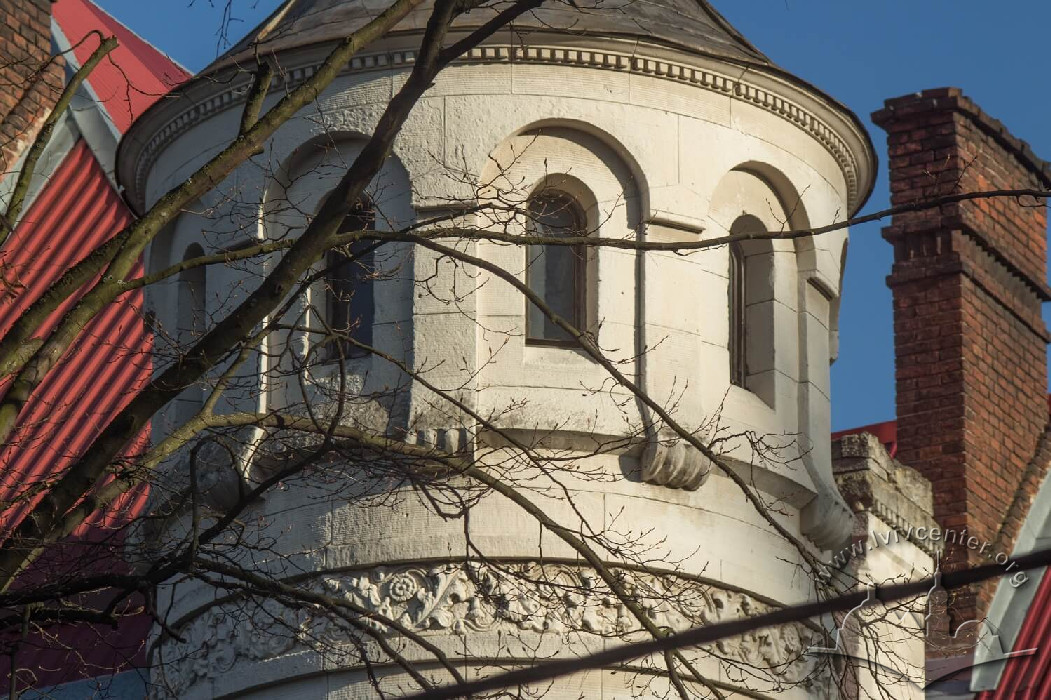
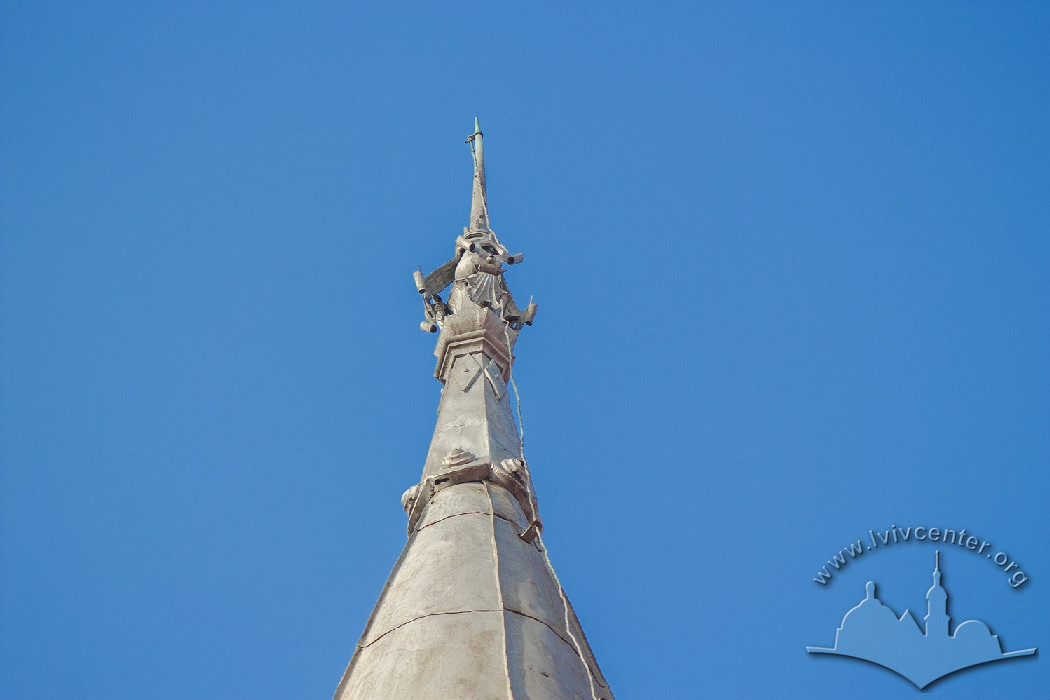
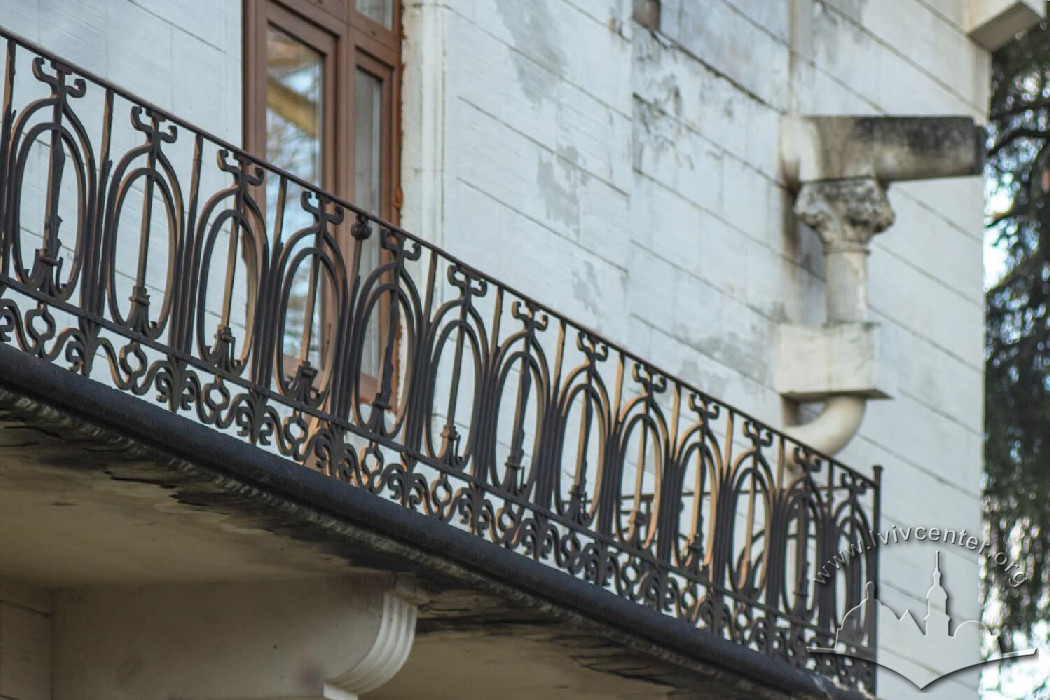
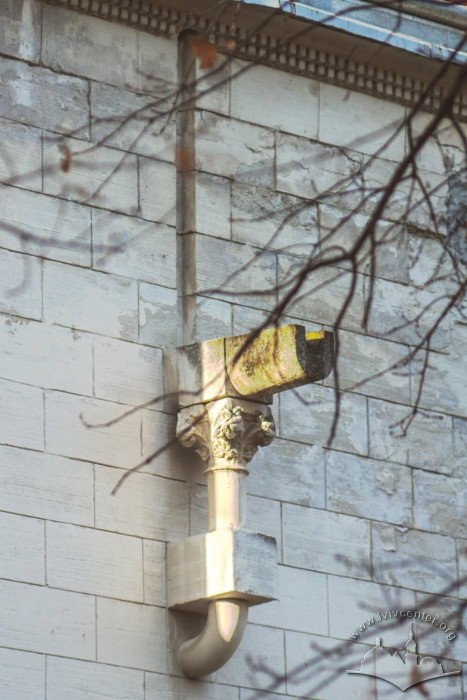
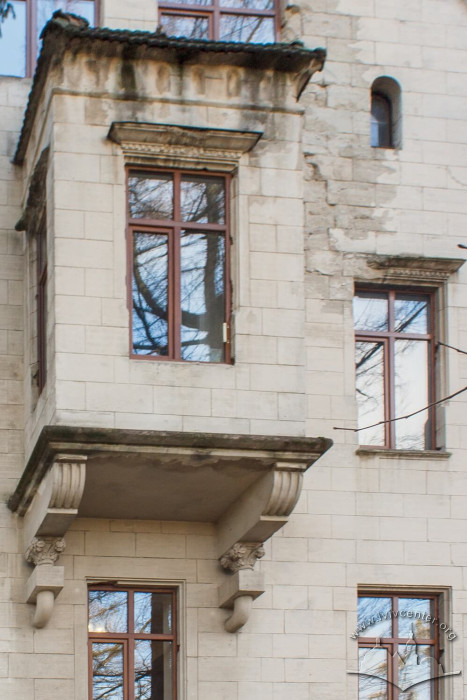
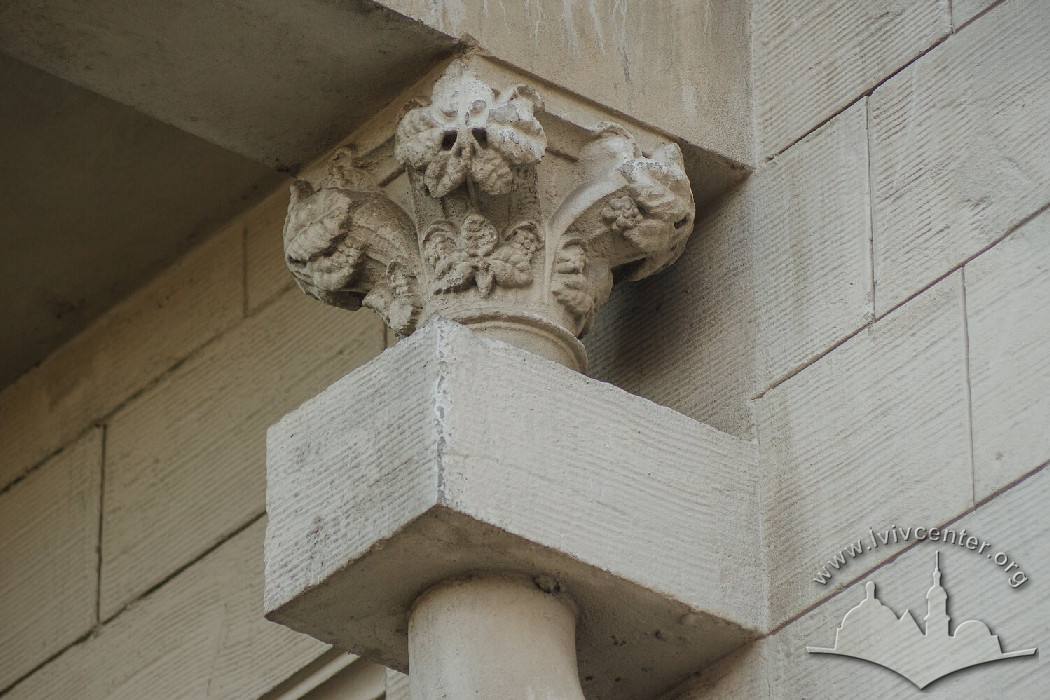
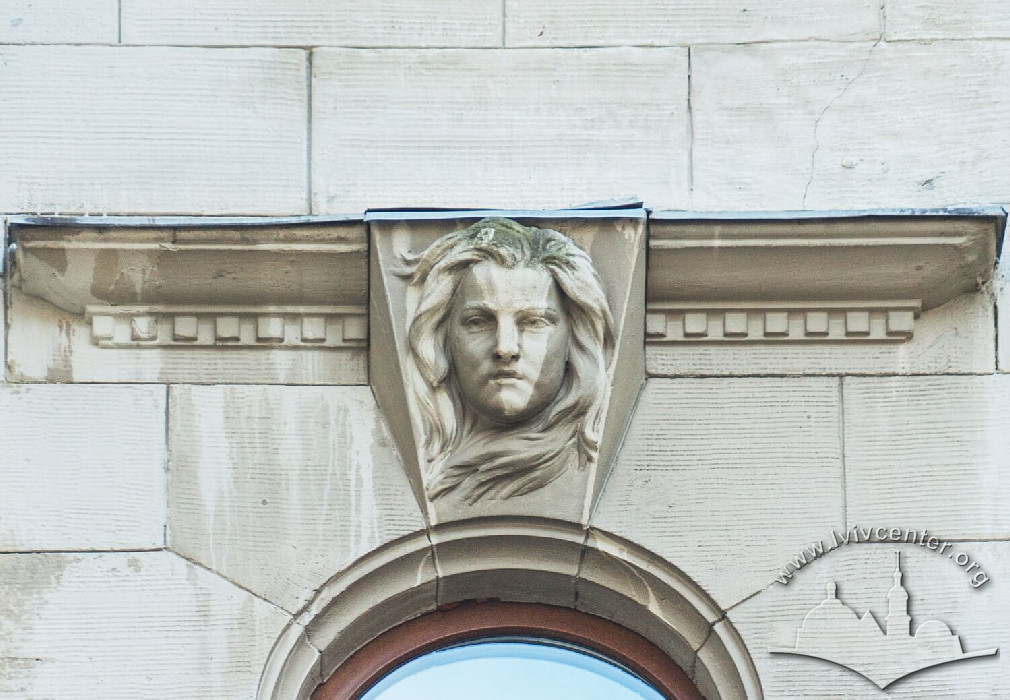
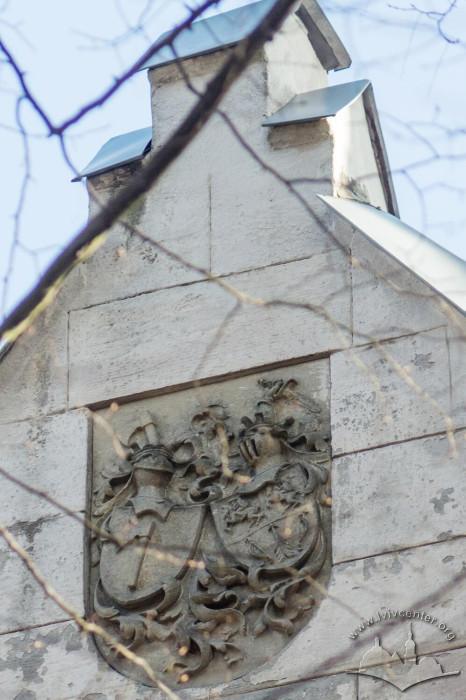
The villa is a two-story structure with an attic and terraces on its western and eastern façades, featuring a rectangular floor plan. The façades feature stylized stonework and lime-sand plaster surfaces, complemented by metal window grilles. Entry to the villa is gained through a stylized Gothic semicircular portal with a gable supported by columns with capitals, flanked by decorative metal lanterns. The corners of the main façade are anchored by two stylized circular towers: a single-tier tower on the left featuring an open terrace, and a three-tier one on the right equipped with a buttress, divided by horizontal belt courses, and topped with a conical roof and spire. The windows vary in form: rectangular segmental openings are located at the basement level and on the rear second-story façade, while semicircular windows appear on the first and second floors. Semicircular biforiums and triforiums, set within Gothic plaster frames, are featured on the second and third floors. The main (western) façade includes semicircular niches above the entrance portal, while a mascaron in the form of a woman's face is positioned above a second-story window on the northern side. The stepped gables have stylized Gothic finish; the gable on the main façade contains dormer windows arranged as a semicircular triforium. A bay window projects from the second floor of the northern façade, while the eastern side features a terrace and gutters. The gabled and hipped roofs are supported by a profiled cornice. The villa's northwestern corner is capped with a gable displaying the crests of the Dylewski family's lineages — the Oksza arms, alongside a combination of the Pogoń and Kościesza arms.
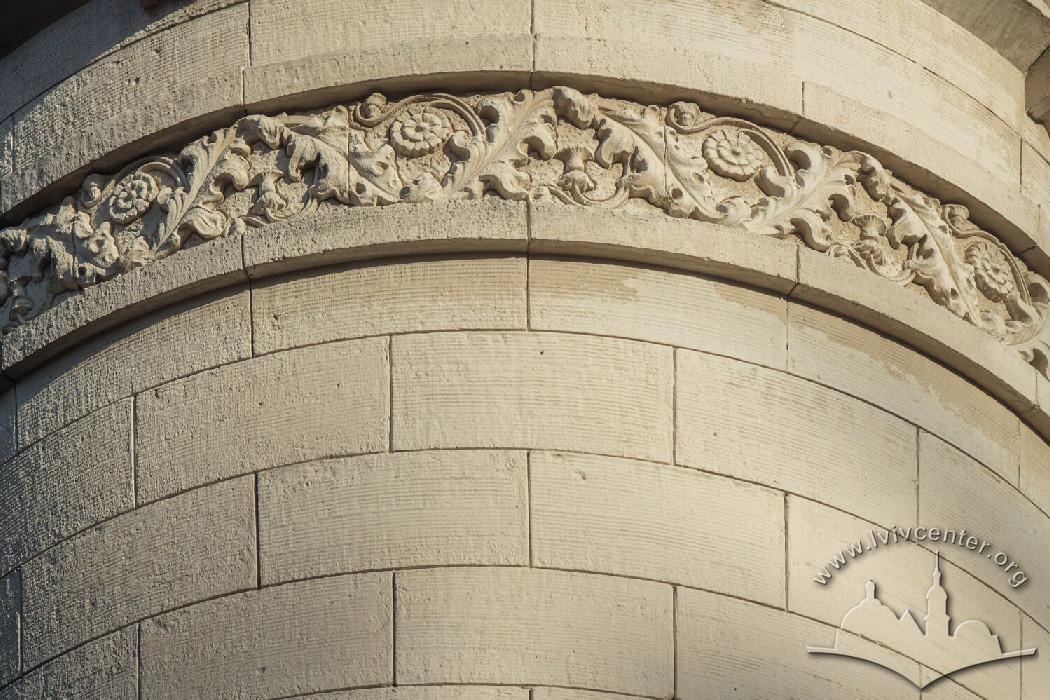
The stylistic execution of the façades is defined by the extensive use of decorative Neogothic elements, including spires, gables, buttressed towers, bay windows, and portals. This aesthetic is further emphasized through the specific profiling and forms of the windows, doors, cornices, and balustrades, as well as through the water cannons, columns with capitals, the mascaron, stained glass, the family crest, metal hinges on the entrance doors, window grilles, and lanterns.
Related buildings and spaces
-
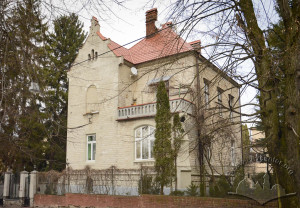
Vul. Halytskoi Armii, 5 – residential building (villa)
-
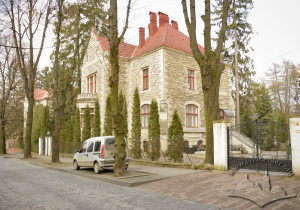
Vul. Halytskoi Armii, 7 – Lion’s Castle Hotel (former villa)
People
Artur Schleyen — a Lviv architect of Jewish descent and a public figure; in 1903, he designed the villas at vul. Halytskoi Armii 1, 5 and 7.
Jan Dylewski — a doctor, jurist, and public figure who served as a member of the Lviv City Council; he was the original owner of the villa.
Janina Dylewska — presumably the daughter of Jan Dylewski; she held ownership of the villa during the interwar period.
Henryk Jordan — a Polish public figure and medical scientist after whom the private humanitarian gymnasium — housed within the Dylewski villa until 1939 — was named.
Mieczysław Kistryn — the owner of the Henryk Jordan Scientific Institute, which comprised a humanitarian lyceum, a gymnasium, and a general education school.
Antoni Stefanowicz — a Lviv artist of Armenian Catholic descent and the owner of the neighboring villa at vul. Halytskoi Armii 5; he is the creator of a 1925 watercolor painting depicting the Dylewski villa.
Jan Jarosz — the architect who developed the 1939 remodeling project to adapt the villa for the Henryk Jordan Private Humanitarian Gymnasium.
Sources
- Державний архів львівської області (ДАЛО) 2/1/2257.
- Світлана Лінда, "Архітектура історизму", Архітектура Львова: Час і стилі ХІІІ – ХХІ ст., ред. Ю. Бірюльов, (Львів: Центр Європи, 2008), 410.
- Мельник Ігор, "Вулька і Помірки", Львівський Новий Світ та південні околиці Королівського столичного міста Галичини від Святого Юра до Наварії, (Львів: Центр Європи, 2008), 173.
- Львів: Туристичний путівник, ред. Ю. Бірюльов (Львів: Центр Європи, 2004), 304.
- Анастасія Сімферовська, Антоні і Каєтан Стефановичі: два обличчя Львова епохи модерну, Науковий каталог виставки, Львівська національна галерея мистецтв, ред. Ю. Бірюльов та В. Сусак, (Львів: Колір ПРО, 2013).
- Ilustrowany informator miasta Lwowa (Lwów, 1939)
- Księga adresowa król. stoł. miasta Lwowa, rocznik IV (Lwów, 1900).
- Księga adresowa król. stoł. miasta Lwowa, rocznik VI (Lwów, 1902).
- Księga adresowa król. stoł. miasta Lwowa, rocznik XVII (Lwów, 1913).
- Księga adresowa Małopolski, Lwów-Stanisławów-Tarnopol (Lwów, 1935).
- Skorowidz adresowy królewskiego stołecznego miasta Lwowa, rocznik II (Lwów, 1910).
- Skorowidz adresowy królewskiego stołecznego miasta Lwowa, (Lwów, 1916).