Vul. Mykhaila Drahomanova, 42 – Andrey Sheptytsky National Museum in Lviv ID: 421
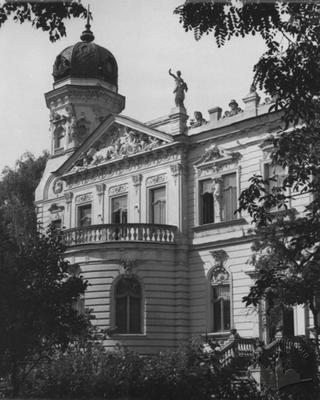
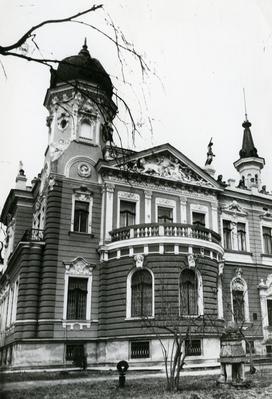
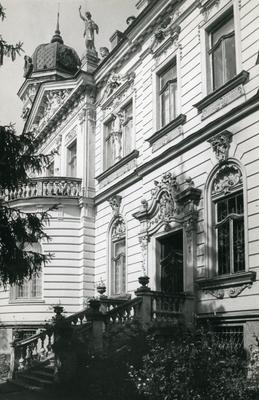
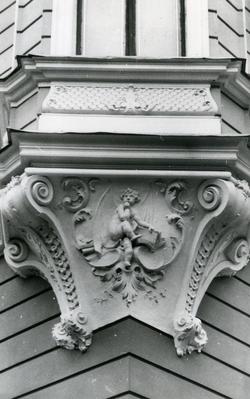
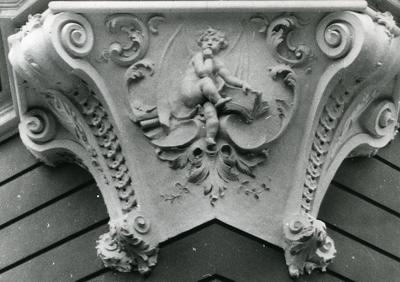
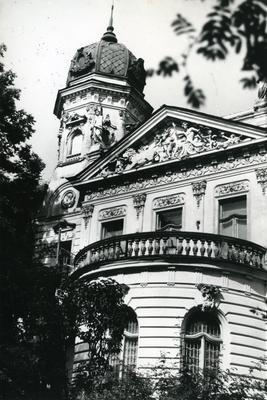
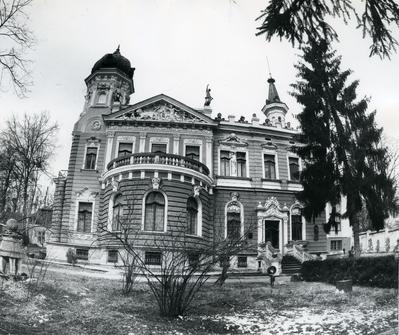
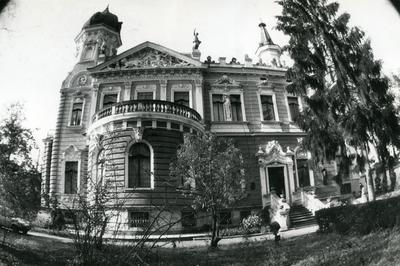
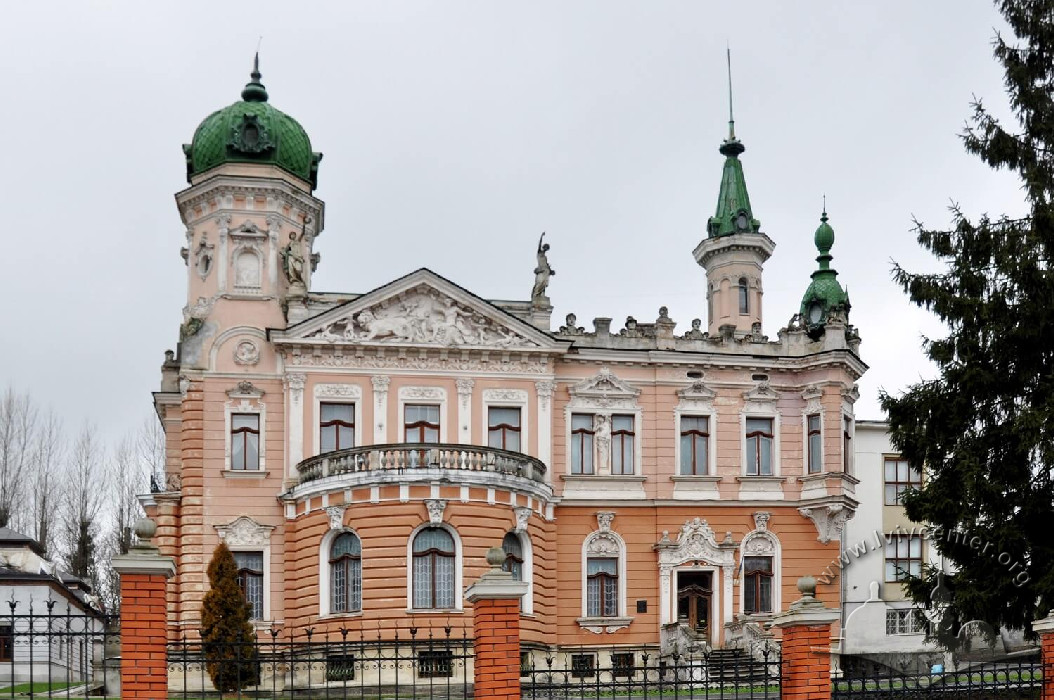
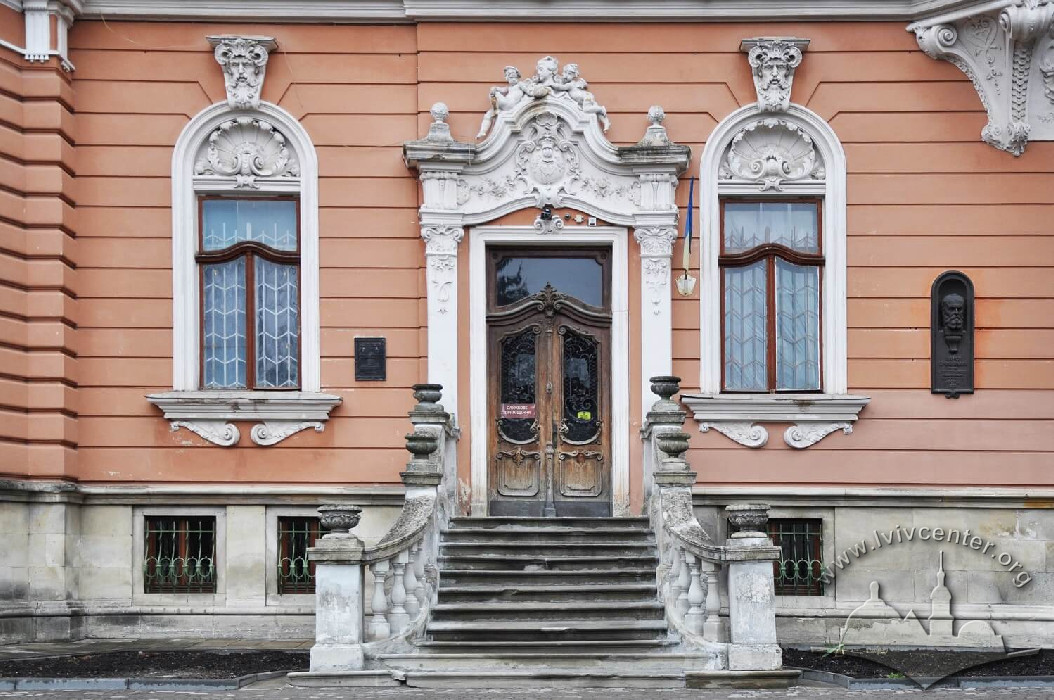
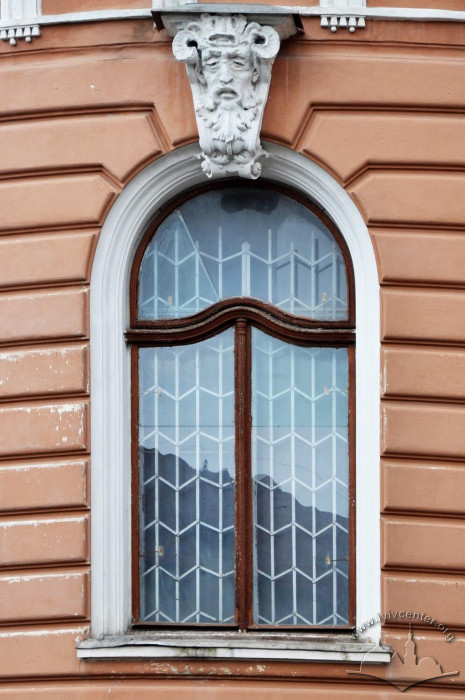
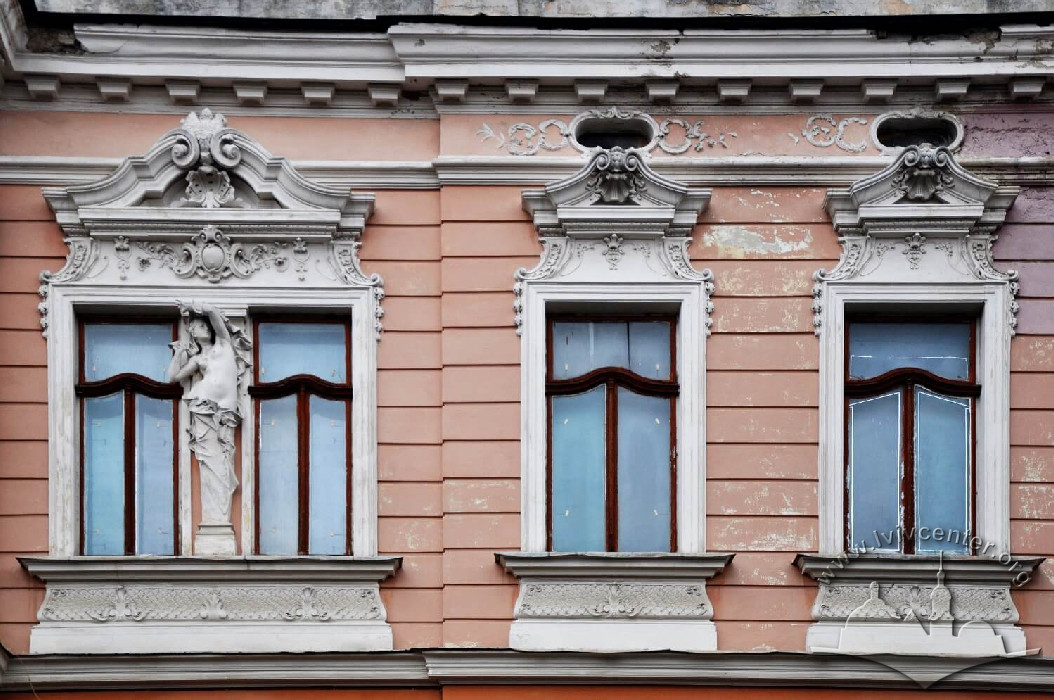
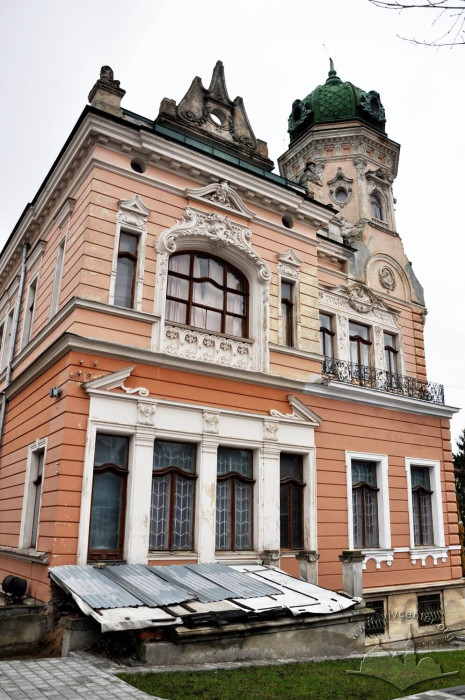
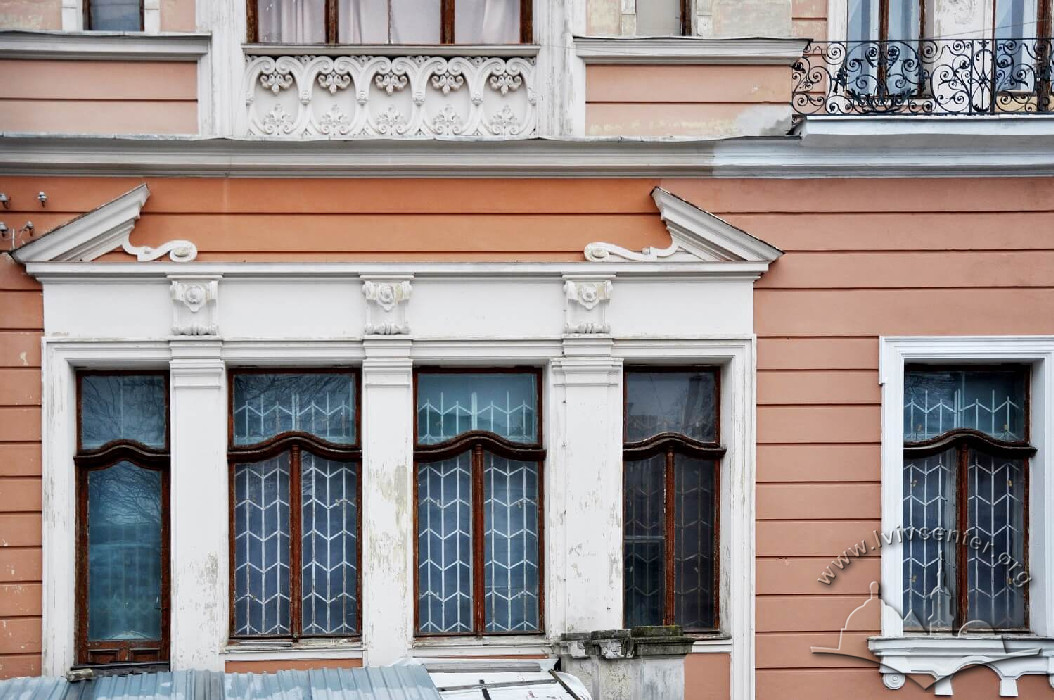
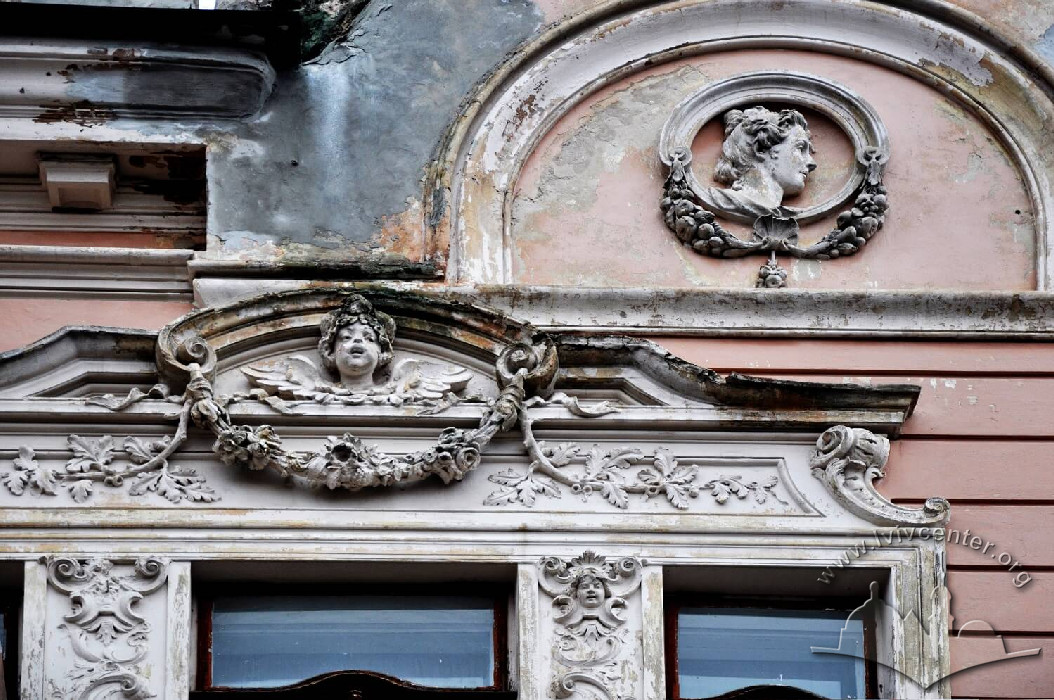
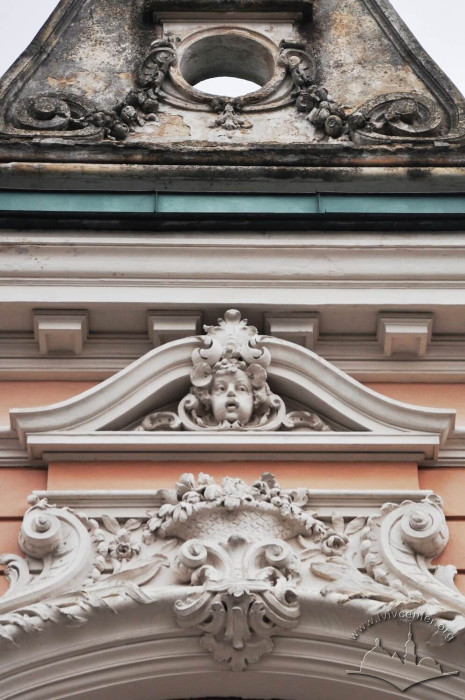
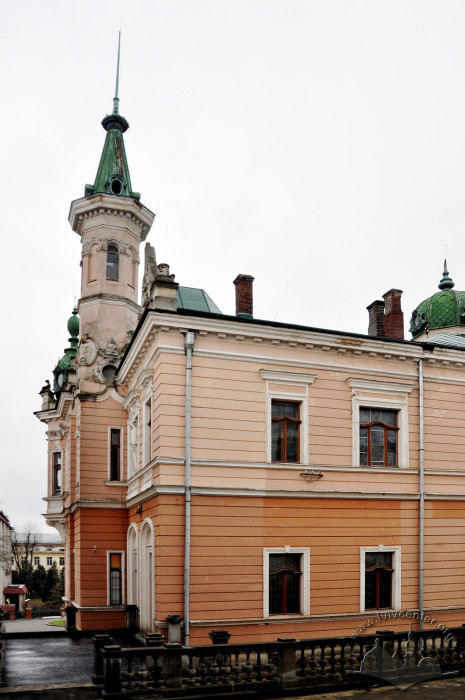
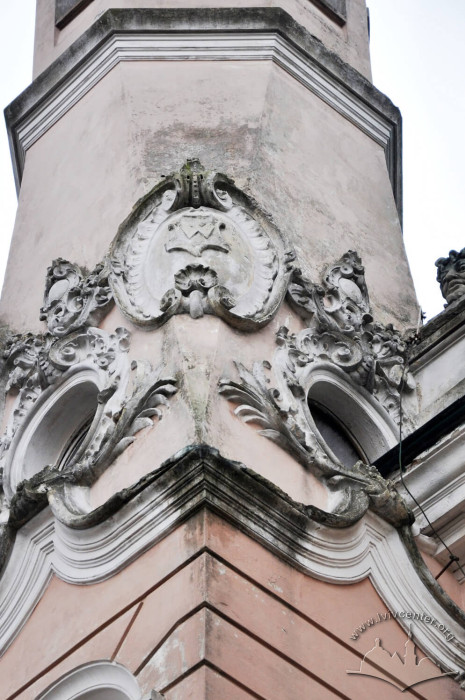
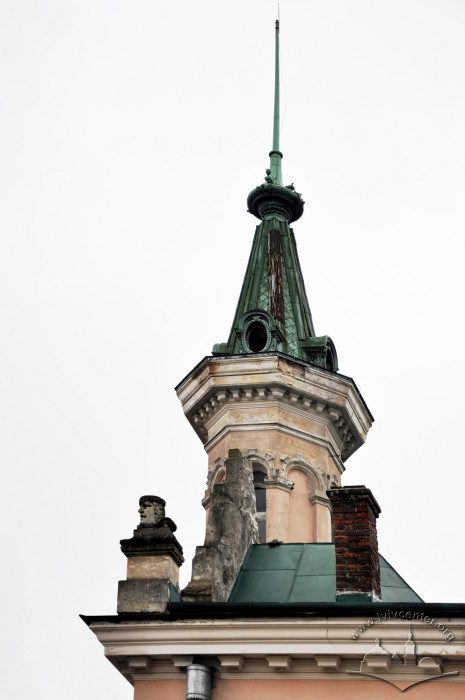
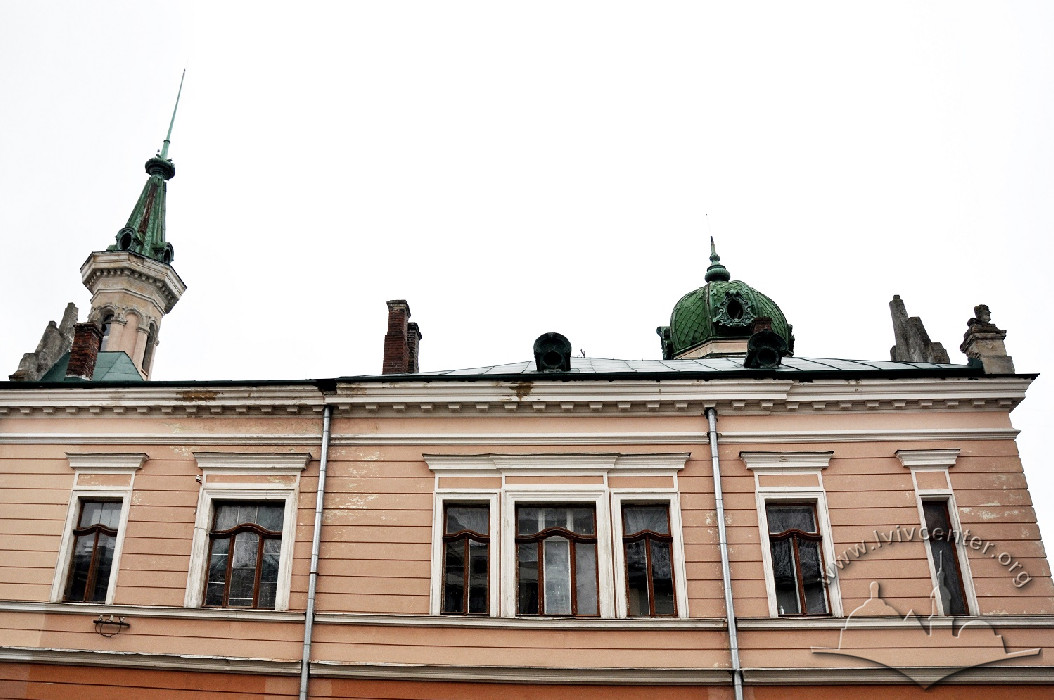
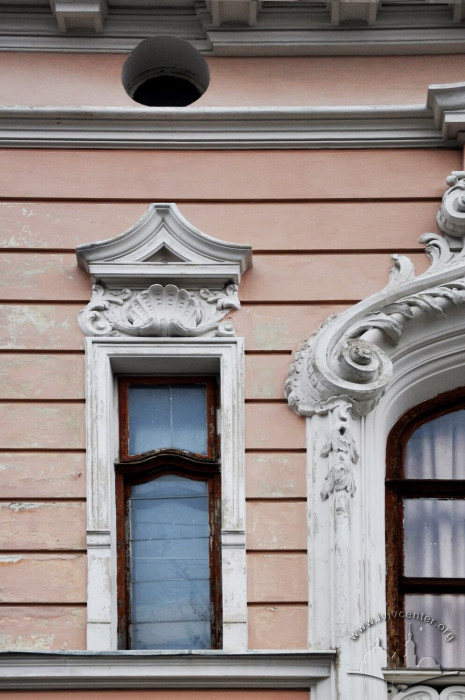
Formerly the villa of geology professor Emil Habdank Dunikowski (since 1911, the building of National Museum in Lviv; constructed between 1897 and 1898 according to a design by architect Władysław Rausz). It is an example of Historicism (Neobaroque with elements of Late Romanticism). The façades are lavishly decorated. The building stands as a valuable example of palace-style villa architecture from the late Historicism era. Since 1913, the building has housed the National Museum's exhibition hall, administrative offices, and library.
Story
The residence of geology professor Emil Habdank Dunikowski (1855–1924) was built in 1897–1898 based on a design by architect Władysław Rausz.
In the early twentieth century, the building was purchased by Metropolitan Andrey Sheptytsky, who used it to house the collections of the Church Museum (later the National Museum in Lviv), founded in 1905. The official opening of the National Museum within the palace took place in 1913.
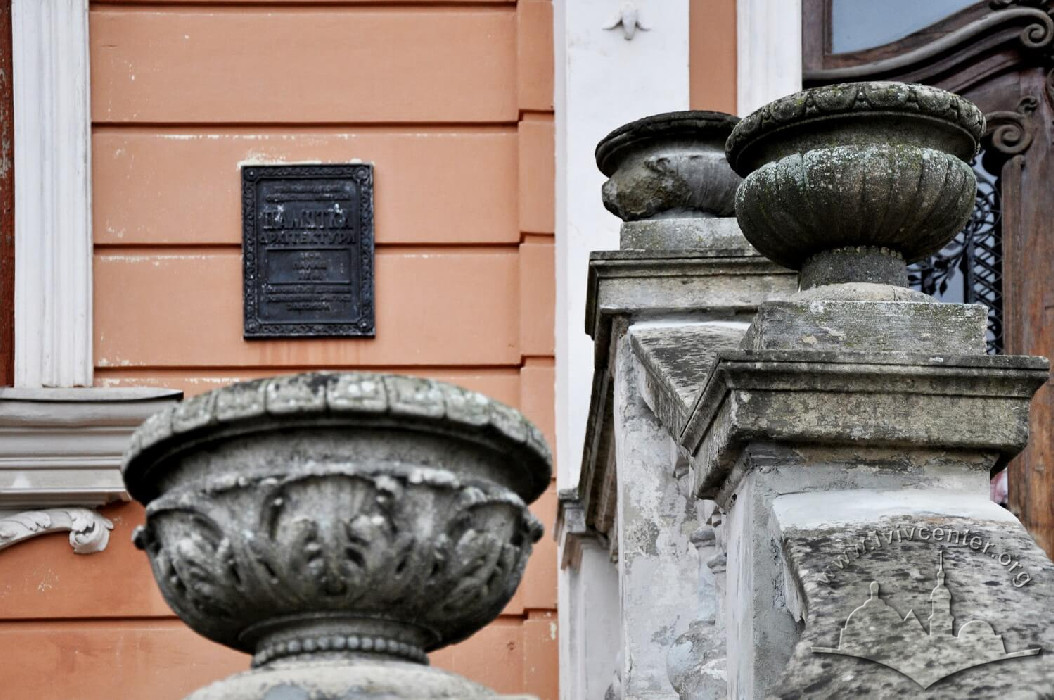
During the interwar period, an extension to the main museum building was constructed according to a design by architect Oleksandr Peżański. From 1905 to 1952, the museum's first director was the renowned Ukrainian art historian Iłarion Święcicki, in whose honor a commemorative plaque (by sculptor Emmanuil Mysko) was unveiled on the palace wall in 1996.
In 1998, the sculpture Selianyn by Gregor Kruk was installed in front of the museum. Today, the museum holds one of the world's most significant collections of Ukrainian art.
Architecture
The building is situated in the central part of the city on a low hill, set back within a small park. Lawns and paths are laid out in front of the building.
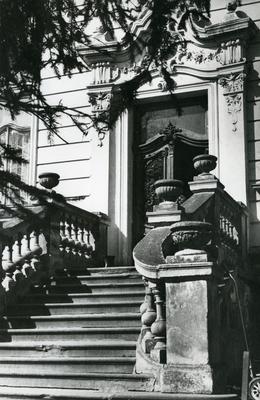
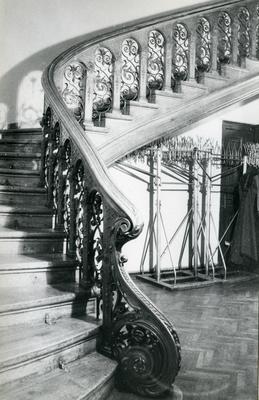
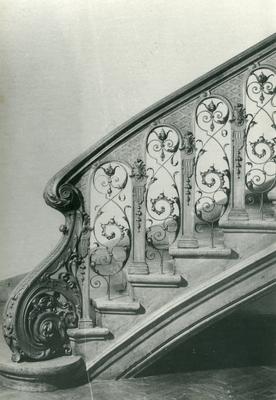
The building is a two-story brick structure, plastered, with a complex layout. It stands on a high base faced with stone slabs. The internal layout of the rooms is primarily of the enfilade type. From a small foyer in the eastern part of the building, a lavishly carved staircase leads to the second floor. On the first floor, there is a large semicircular hall decorated with white marble panels, Ionic pilasters, and a plasterwork ceiling.
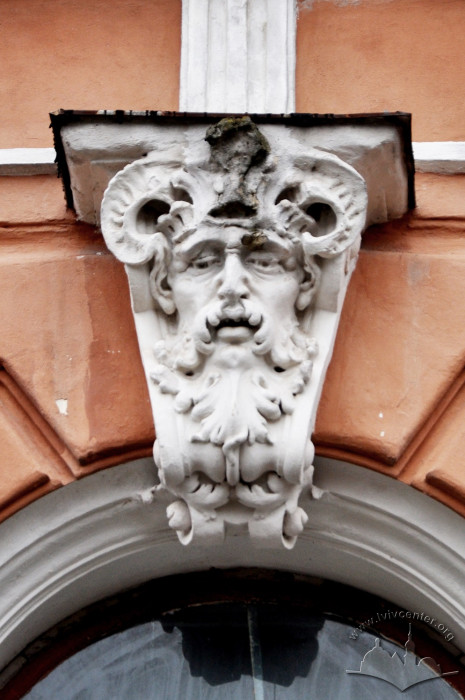
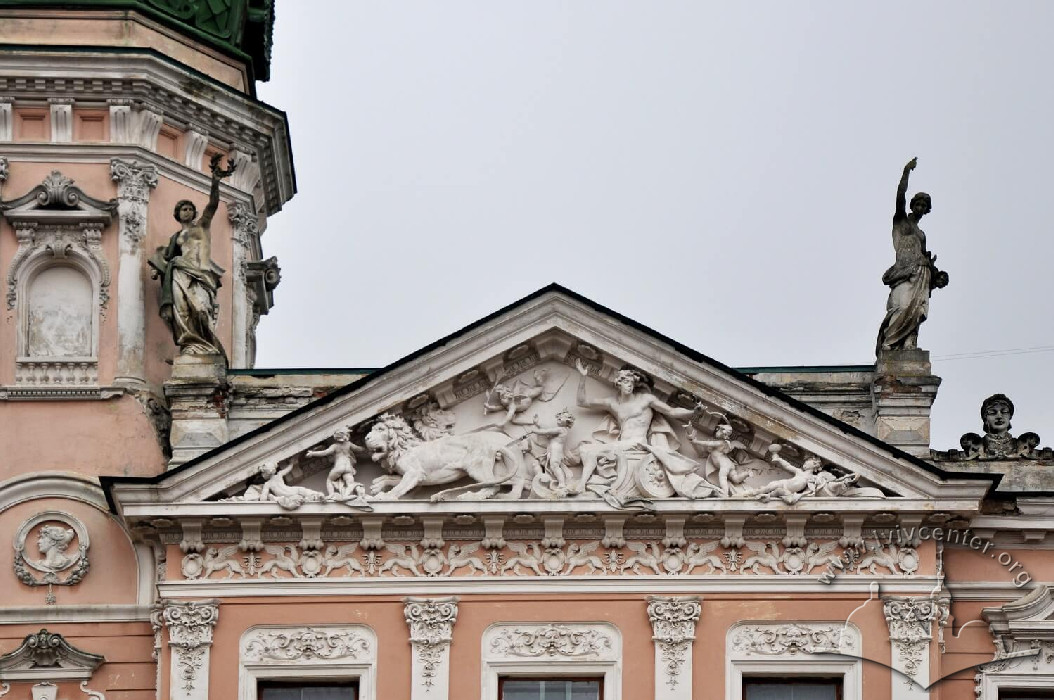
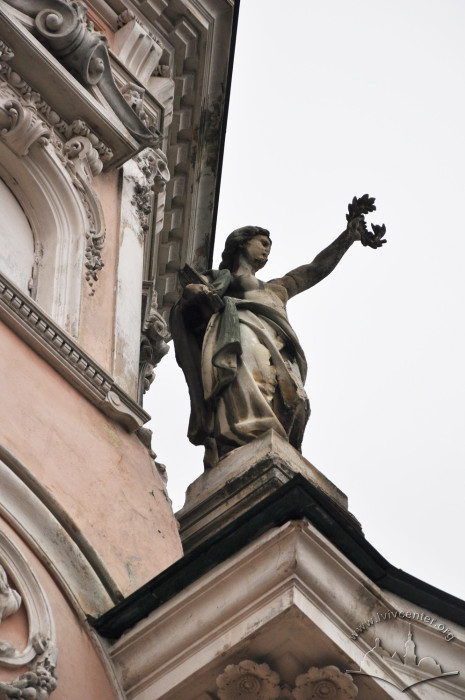
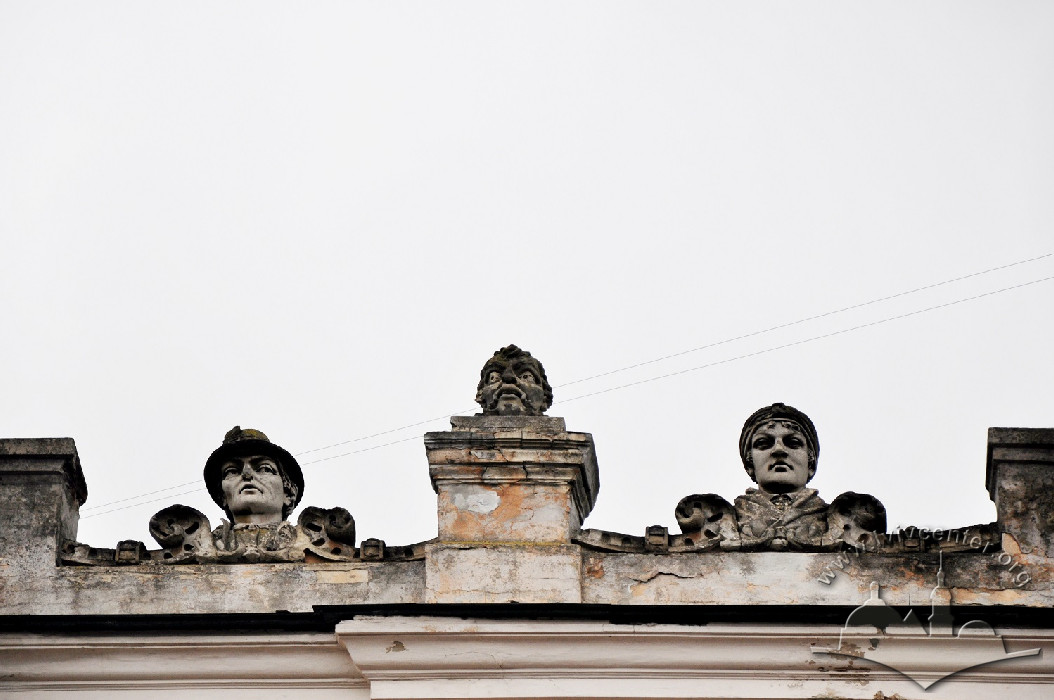
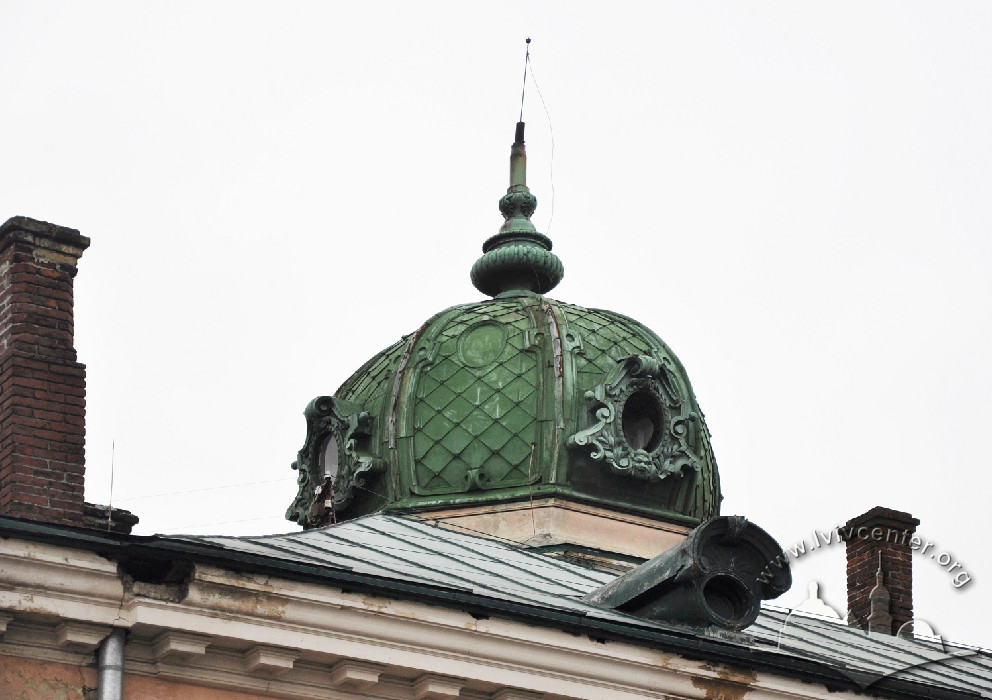
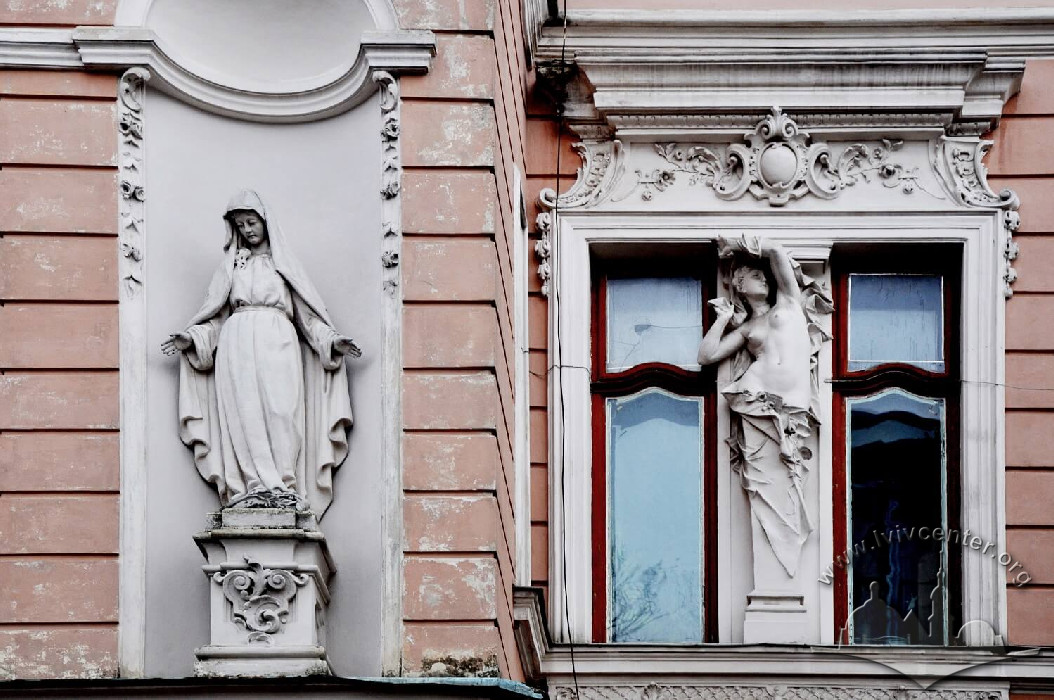
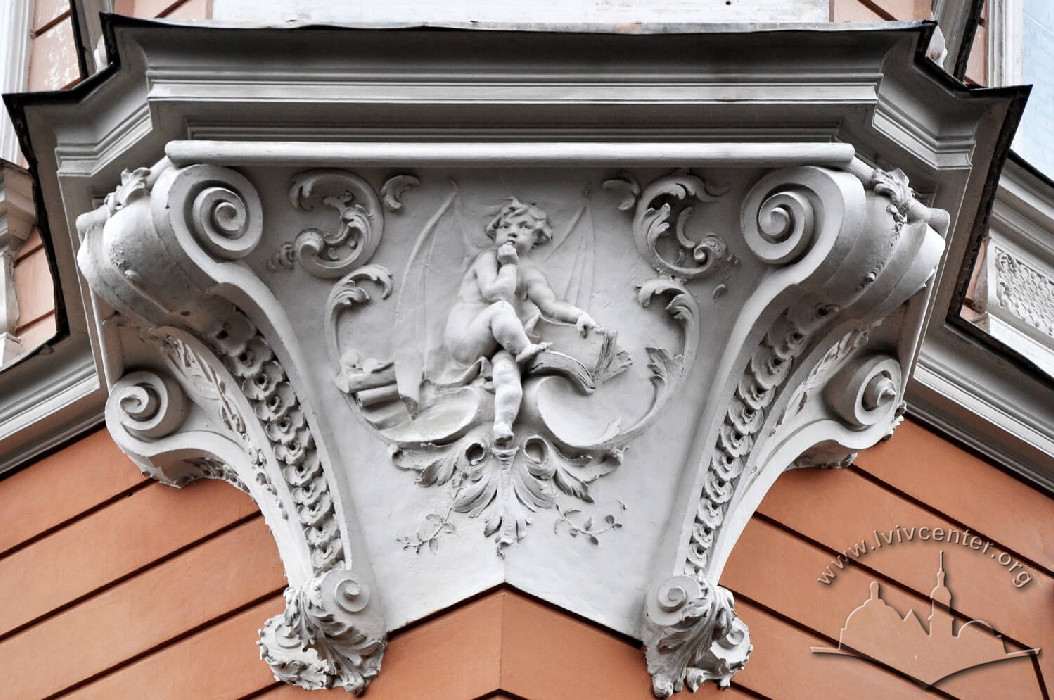
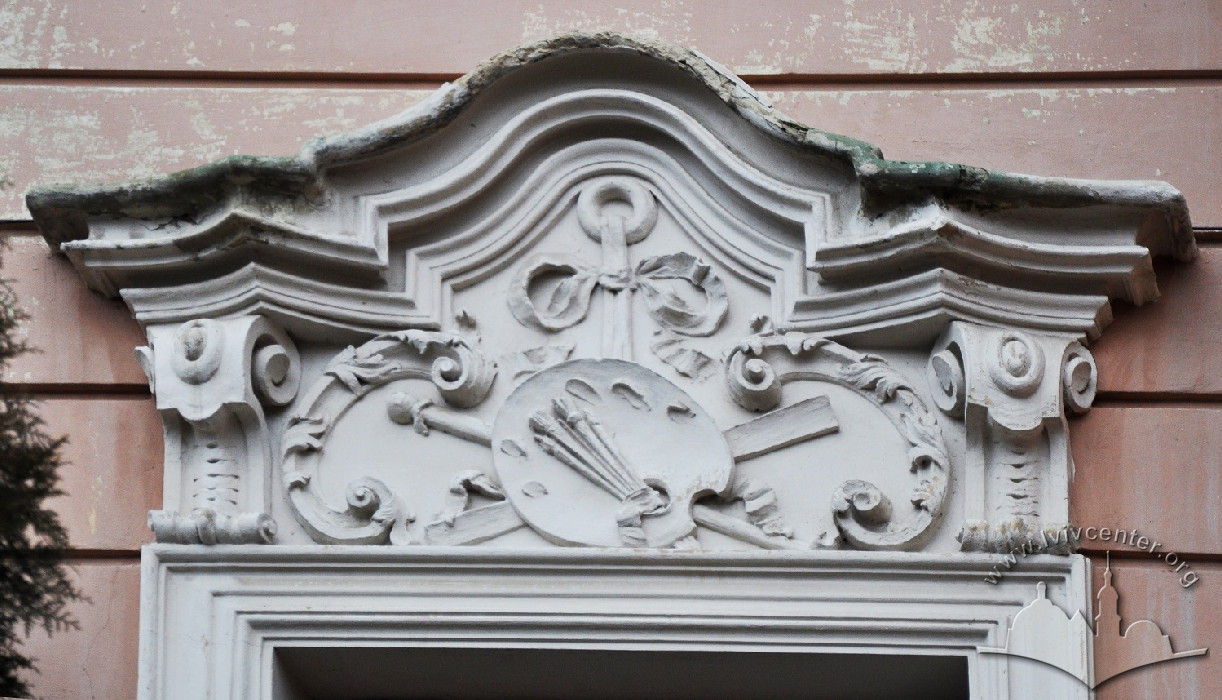
The building's volume is emphasized by two corner towers and a bay window, which are topped with differently shaped domes. The lower level of the building is finished with rustication. The asymmetrical composition of the principal elevation is highlighted by the left avant-corps, which features a semicircular terrace and a triangular pediment on the main axis. The tympanum of the pediment contains the high-relief composition Orpheus. The building's façades are lavishly adorned with plasterwork decor and figurative sculpture.
The monument is a characteristic example of palace-style construction from the late Historicism period, incorporating Neobaroque and Late Romantic elements.
People
Serhiy Lytvynenko –– sculptor, master of decorative carving, restorer, and educator.
Sources
- Проект "Галіціана" (І. Жук), 2001-2002.
- Державний архів Львівської області (ДАЛО) 2/1/3414
- Вуйцик В. С., Липка Р. М. Зустріч зі Львовом. Львів: Каменяр, 1987.
- Мельник Б. Вулицями старовинного Львова. / Серія "Історичні місця України". – Вид. 3-тє зі змінами. – Львів: Світ, 2006.
- Овсійчук В. А. Архітектурні пам'ятки Львова. – Львів, 1969. – С. 142.
- Orłowicz M. Przewodnik po Lwowie. – Lwów, 1925.
Citation
Khrystyna Kharchuk. "Vul. Mykhaila Drahomanova, 42 – Andrey Sheptytsky National Museum in Lviv". Lviv Interactive (Center for Urban History, 2012). URL: https://lia.lvivcenter.org/en/objects/drahomanova-42/Urban Media Archive Materials