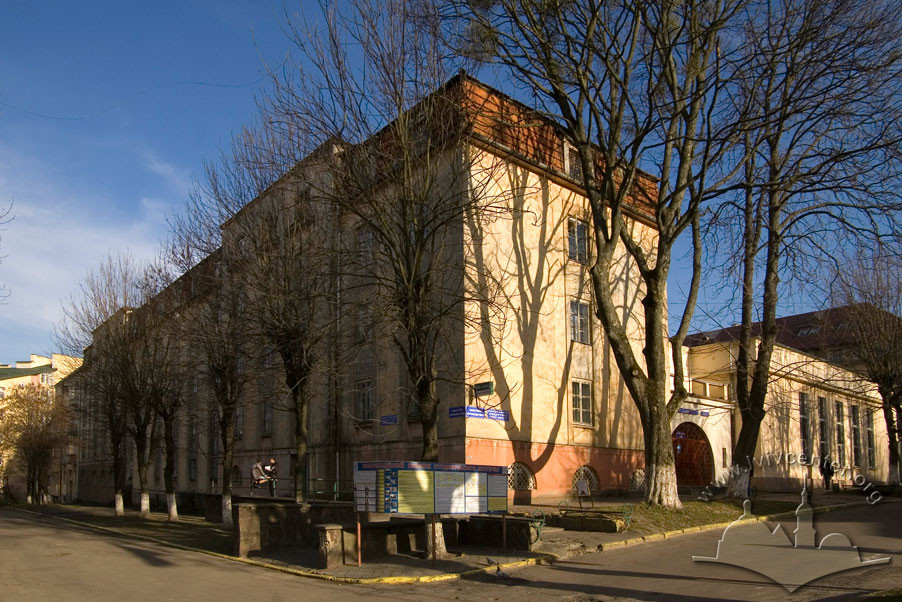
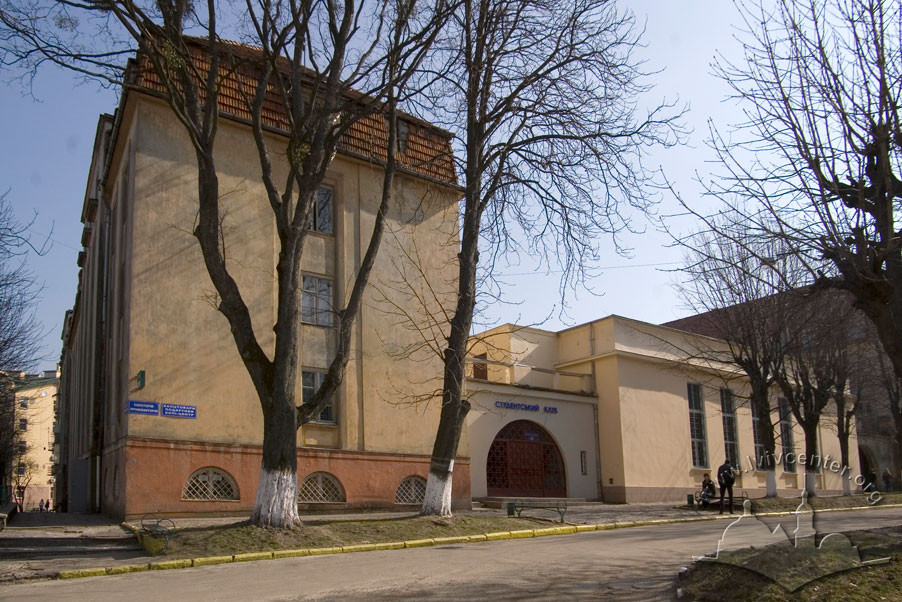
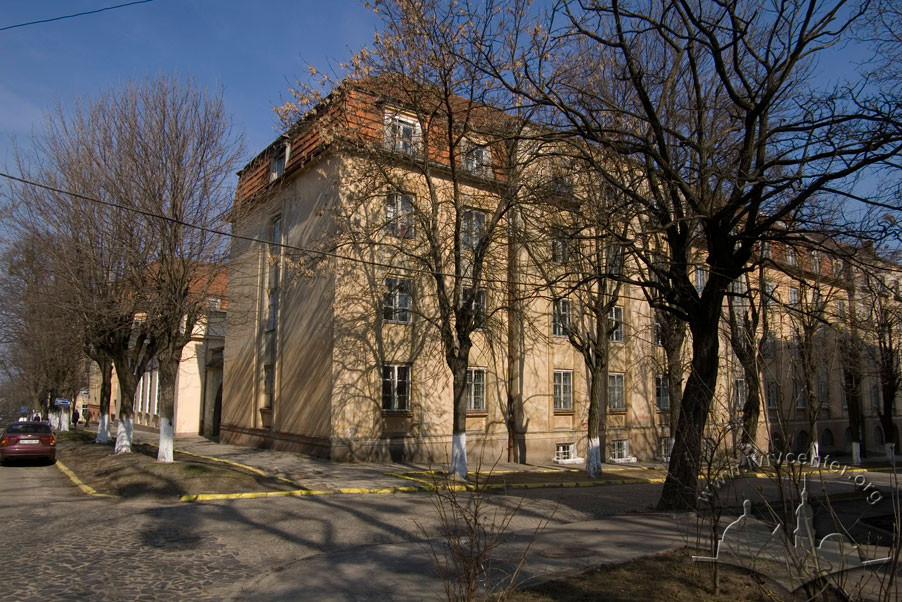
Vul. Boi-Zhelenskoho, 14 — dormitory building ID: 2123
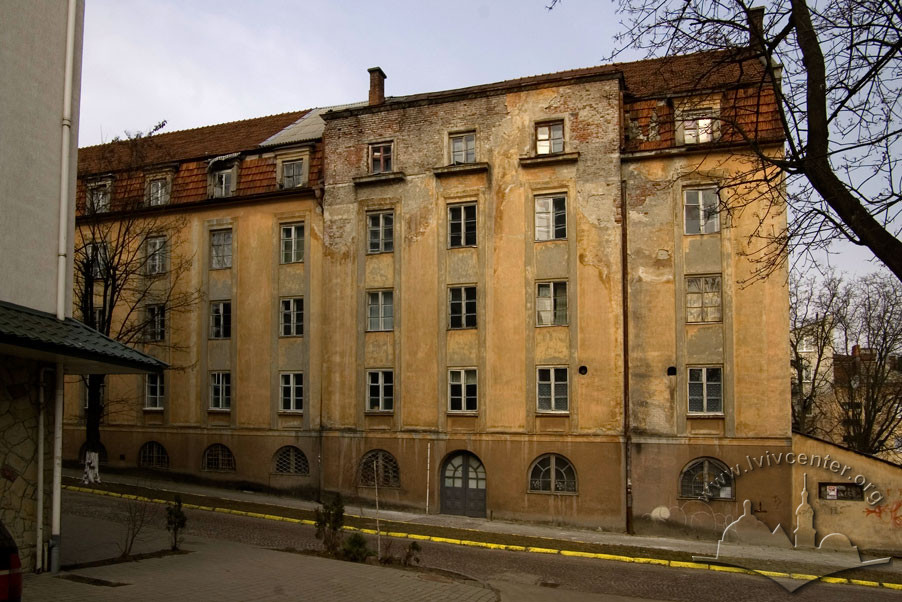
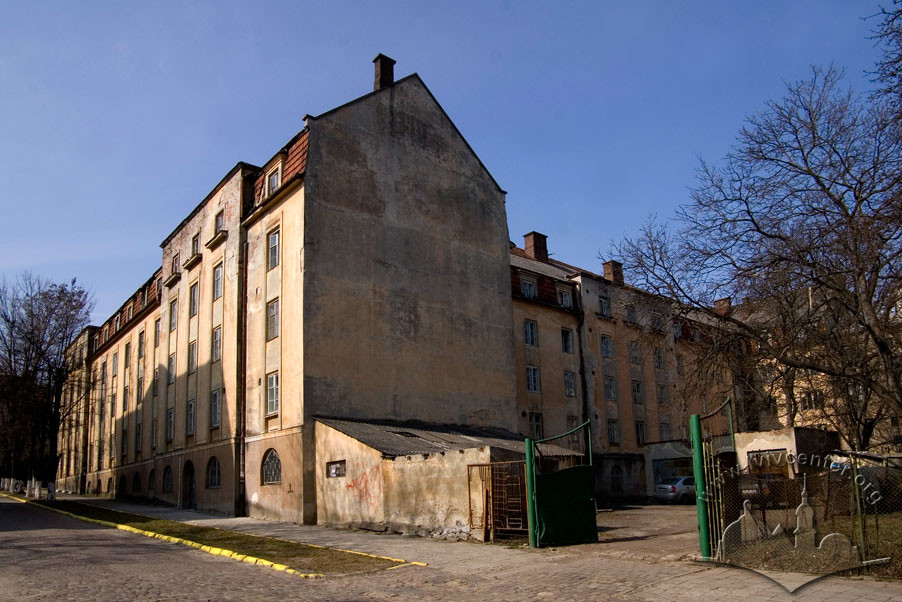
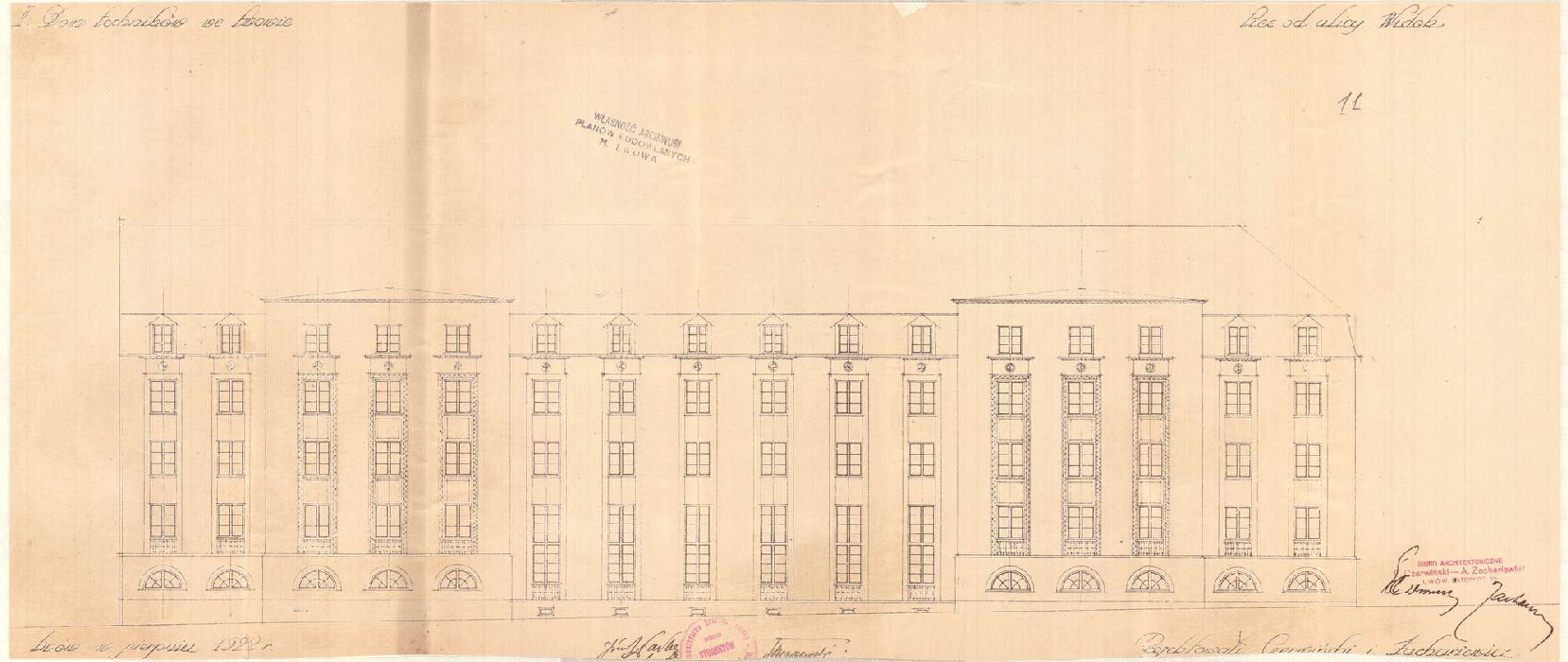
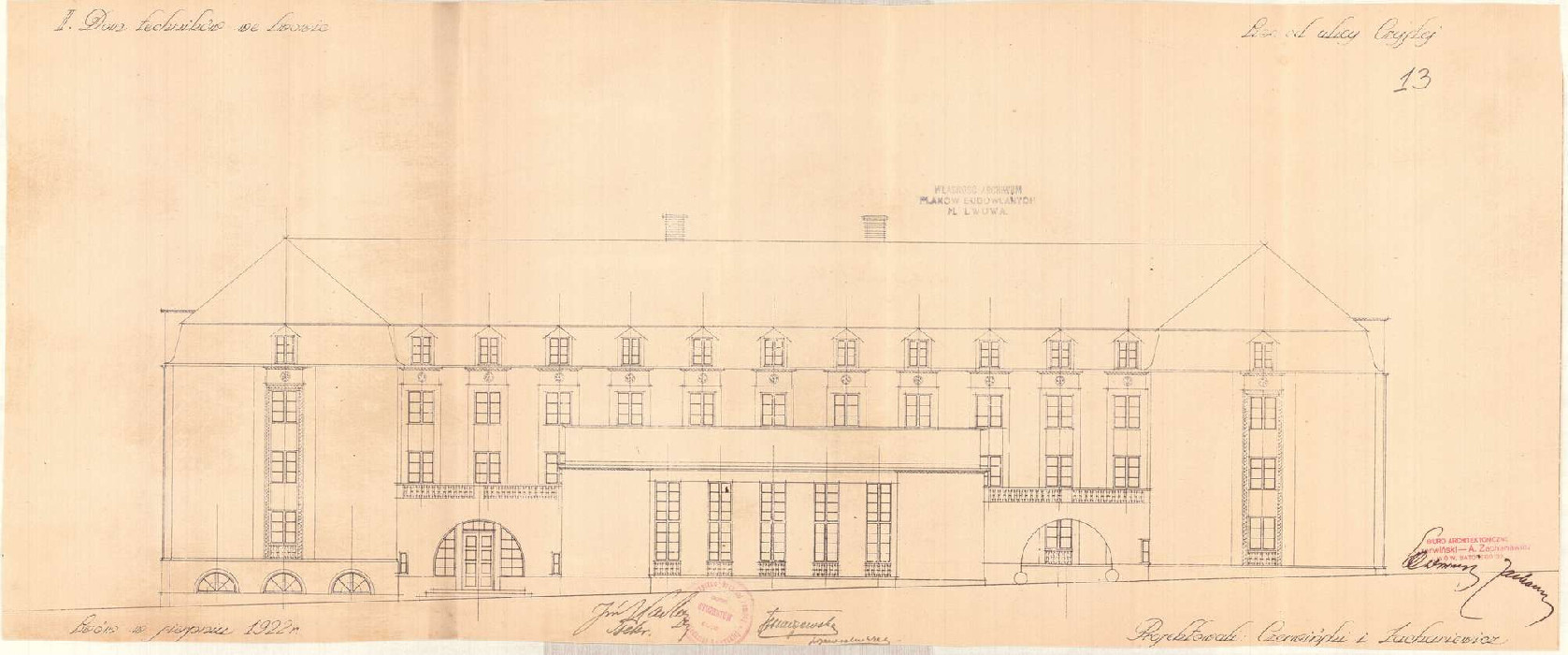
The Second House of Technicians of the Lviv Polytechnic is located on Vuletski Grunty, known as "Vulʹka." It was built in 1923–1929 according to a design by renowned Lviv architects Eugeniusz Czerwiński and Alfred Zachariewicz in the Neoclassical style with elements of Art Deco. Since 1991, it is an architectural monument of local significance.
Story
1923–1929 — construction of the House of Technicians, architects Yevhen Chernivskyi and Alfred Zachariewicz.
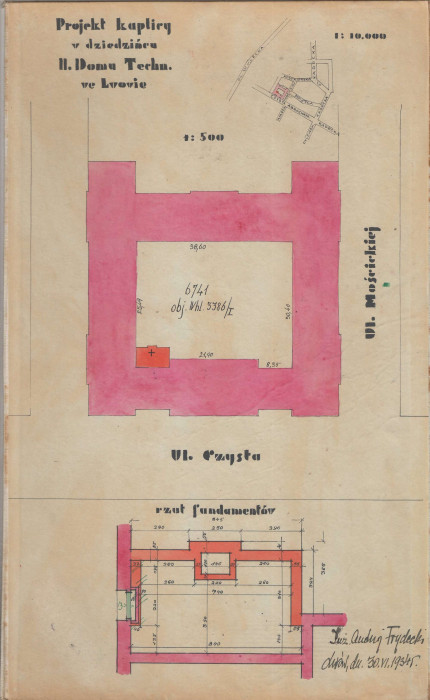
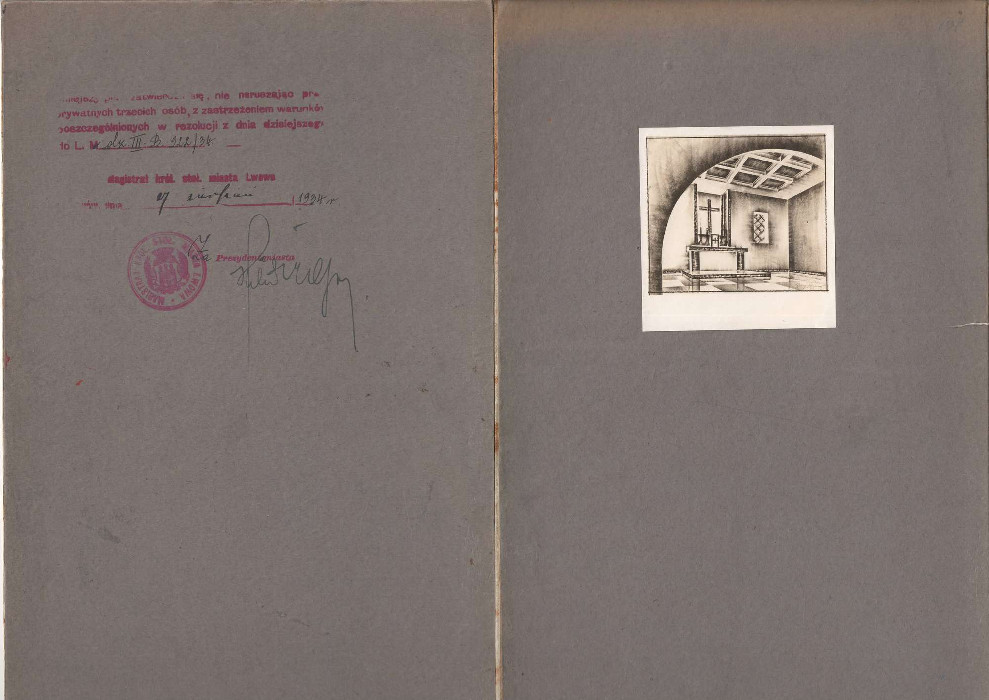
1936 — construction of a chapel, architect Andrzej Frydecki.
1950s — adaptation of individual rooms for the needs of a polyclinic, demolition of the chapel.
2011 — roof renovation: roof tiles replaced with metal tiles.
The building of the Second House of Technicians of Lviv Polytechnic is located southwest of the historic city center, on the Vuletski Lands, called "Vulʹka." The street on which the House stands began to take shape at the turn of the 19th and 20th centuries and was named Czysta. Throughout its existence, its name has changed reflecting political contexts: from the 1930s, it was called ul. Abrahamowiczów; from 1942 it was called Kleiststrasse; in 1944 it was renamed back into vul. Abrahamovychiv; in 1945 it was called Chysta; and from 1946 it is named in honor of Tadeusz Boy-Żeleński, a Polish writer.
The building occupies a large plot that combines three older parcels (formerly under conscription numbers 2295/16, 2296/7, and 2298/7). These three plots were purchased in the early 1920s by the "Society for Fraternal Aid to Students of Lviv Polytechnic". In 1923, its committee began the construction of a three-story residential building with an attic without approval of the project developed in 1922 and without the permission of the owners of the adjacent plots. In particular, the construction case reports that the owner of the villa on the adjacent plot on ul. Kosynierska (vul. Karpyntsia), side street of ul. Kadecka (now vul. Heroiv Maidanu) — master builder Karol Turkowski — appealed to the committee of the society not to block the windows of his villa. The design for the society's building was developed by the architectural firm of Eugeniusz Czerwiński and Alfred Zachariewicz.
Construction works were completed in 1929. By 1934, the building was encircled by newly-laid out streets: ul. Szczytowa (today, vul. Zasiadka), ul. Czysta (vul. Boi-Zhelenskoho), and ul. Widok (vul. Lukasha). In January 1936, a brick chapel was built in the southeastern side of the building's courtyard, and consecrated soon after. It had been designed in 1934 by architect Andrzej Frydecki.
During the Soviet period, the building became Dormitory No. 1 of the Lviv Polytechnic Institute. A student club was set up on the ground floor, the eastern wing was adapted into a polyclinic, while the chapel was dismantled.
In the winter of 2011, the old red tile roof was replaced with dark green metal roofing, distorting the architecture of the building.
Architecture
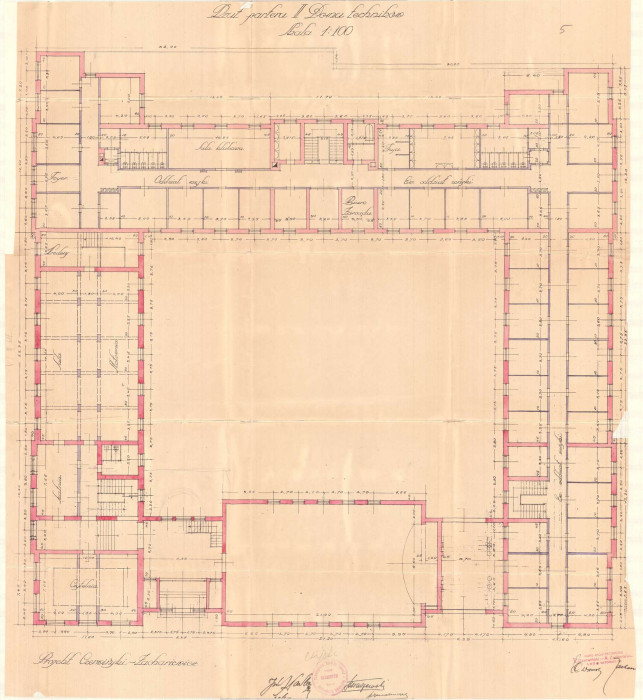
The building is constructed of brick and plastered; it is based on a hollow square plan — three rectangular three-story parts with basements and attic floors and a ground floor volume on the front side form a closed inner courtyard. The western and eastern parts on the northern side are emphasized by two small wings that flank the northern façade of the northern side. The parts are covered with gable roofs under dark green metal sheets imitating roof tiles (originally, there were red Marseille tiles produced in Kolomyia). The building stands on an uneven ground which is reflected in the design of the semi-basements. They are of varying heights, built of brick, plastered, and separated visually from the rest of the building by profiled cornices.
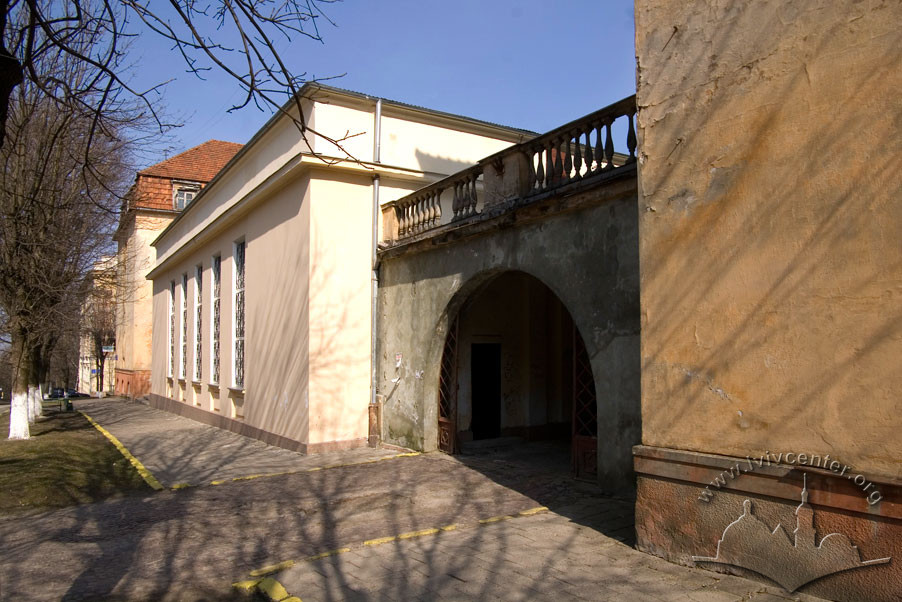
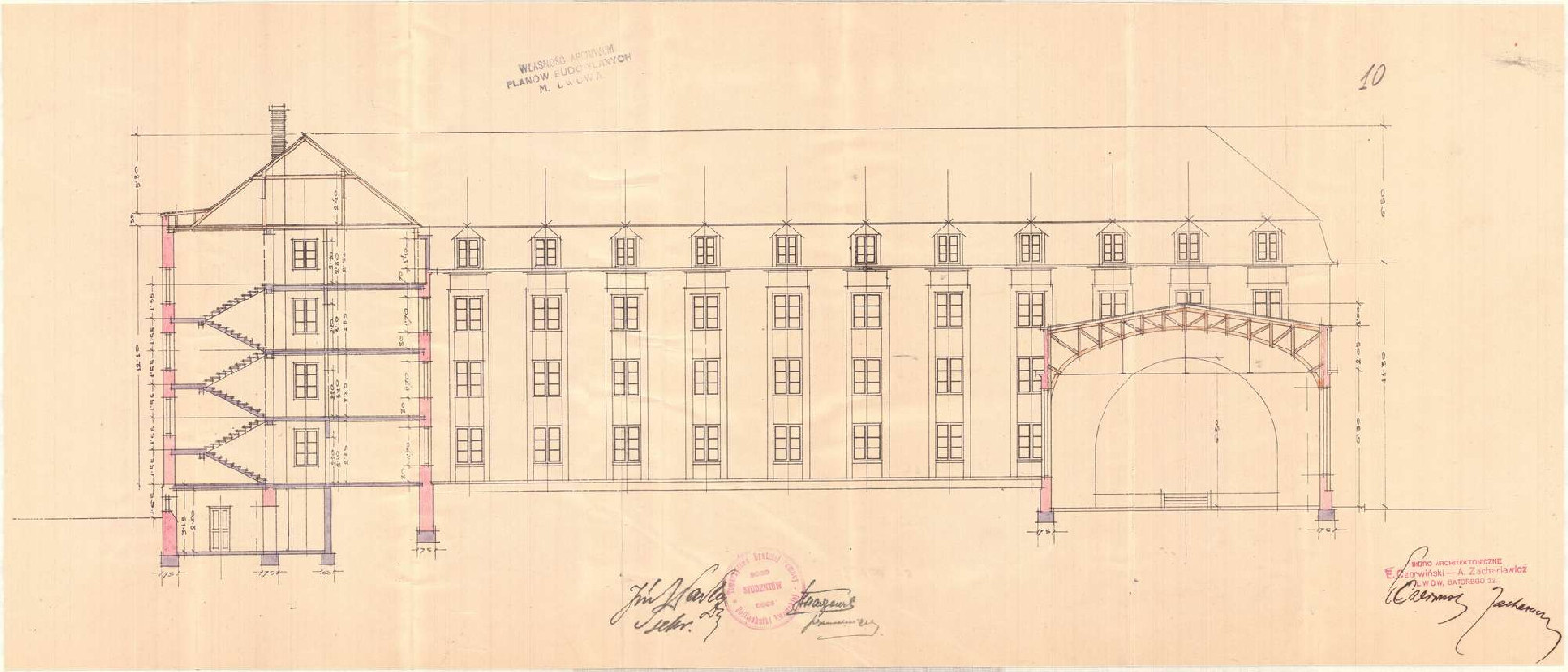
The volume housing the conference room serves as an architectural accent of the building. It is single-story, it comprises a wide passageway to the courtyard, providing thus the main entrance to the whole dormitory building. Besides the conference room, there is a vestibule with a cloakroom on its western side. The structure is covered with a hipped roof, while its lower parts on the sides have terraces fenced with balustrades. The ceiling of the passageway consists of reinforced concrete slabs. The portal is decorated with four Tuscan columns accentuating the entrance.
The building is an example of Art Déco style. The façades feature simple rectangular windows; however the semi-basement ones are elliptical. Three windows (1st - 3rd floors) on each of the window axes, are grouped together with common profiled trimmings extending vertically. Rectangular windows have six-plate glazings providing some detail to otherwise laconic façades; the basement ones are supplied with simple stylized grilles.
Three façades of the dormitory - the northern, eastern and western ones - are divided with several thin four-story avant-corps. There are several entrances to the building, located in each of the wings.
The layout of the building is corridor-style, with rooms on both sides. The ceilings are flat, with reinforced concrete beams; the ceiling above the conference hall consists of metal trusses. The floors are covered with parquet; the ones in the basements are of concrete screed. Each building has its separate staircase of reinforced concrete, U-shaped, with wrought iron railings. The basement rooms have mezzanines with lattice railings.
The former Technicians' House is an example of an interwar building in the Neoclassical style with Art Déco elements.
People
Alfred Zachariewicz — engineer-architect, author of the House of Technicians project.
Andrzej Frydecki — architect, author of the chapel project.
Yevhen Chervinskyi — engineer-architect, lecturer at the Agricultural and Forestry Department of Lviv Polytechnic in 1922–1930, author of the House of Technicians project.
Karol Turkowski — builder, owner of a villa located next to the House of Technicians.
Sources
- Державний архів Львівської області (ДАЛО) 2/1/524. Справа перейменована: ДАЛО 2/1/535. URL: https://e.archivelviv.gov.ua/file-viewer/227314#file-669269
- Politechnika Lwowska 1844–1945 (Wrocław: Wydawnictwo Politechniki Wrocławskiej, 1993).
- Архітектура Львова. Час і стилі (Львів: Центр Європи, 2008), 546.
- Туристичний путівник (Львів: Центр Європи, 2004), 305.